The physical environment of a workplace can influence how employees, customers and visitors experience a business. Lighting, furniture, colour, noise and layout all contribute to the atmosphere, but one feature can introduce movement, nature and visual interest at the same time: a professionally designed aquarium.
A workplace aquarium can become an impressive focal point within an office, reception area, hotel, restaurant, care setting, waiting room or retail environment. It can help soften a formal interior, create a welcoming first impression and give people something calming and engaging to observe.
Installing an aquarium in a workplace does, however, require careful planning. It is a living environment rather than a static decorative object. The tank must be appropriately sized, professionally supported and equipped with suitable filtration, heating and lighting. Its inhabitants also need consistent care and high standards of animal welfare.
When properly designed and maintained, a workplace aquarium can provide valuable aesthetic, social and commercial benefits. This guide explores those potential advantages and explains what businesses should consider before commissioning an installation.
Creating a Memorable First Impression
Reception areas often provide customers and visitors with their first direct experience of a company. A well-presented entrance can communicate professionalism, care and attention to detail before a member of staff begins a conversation.
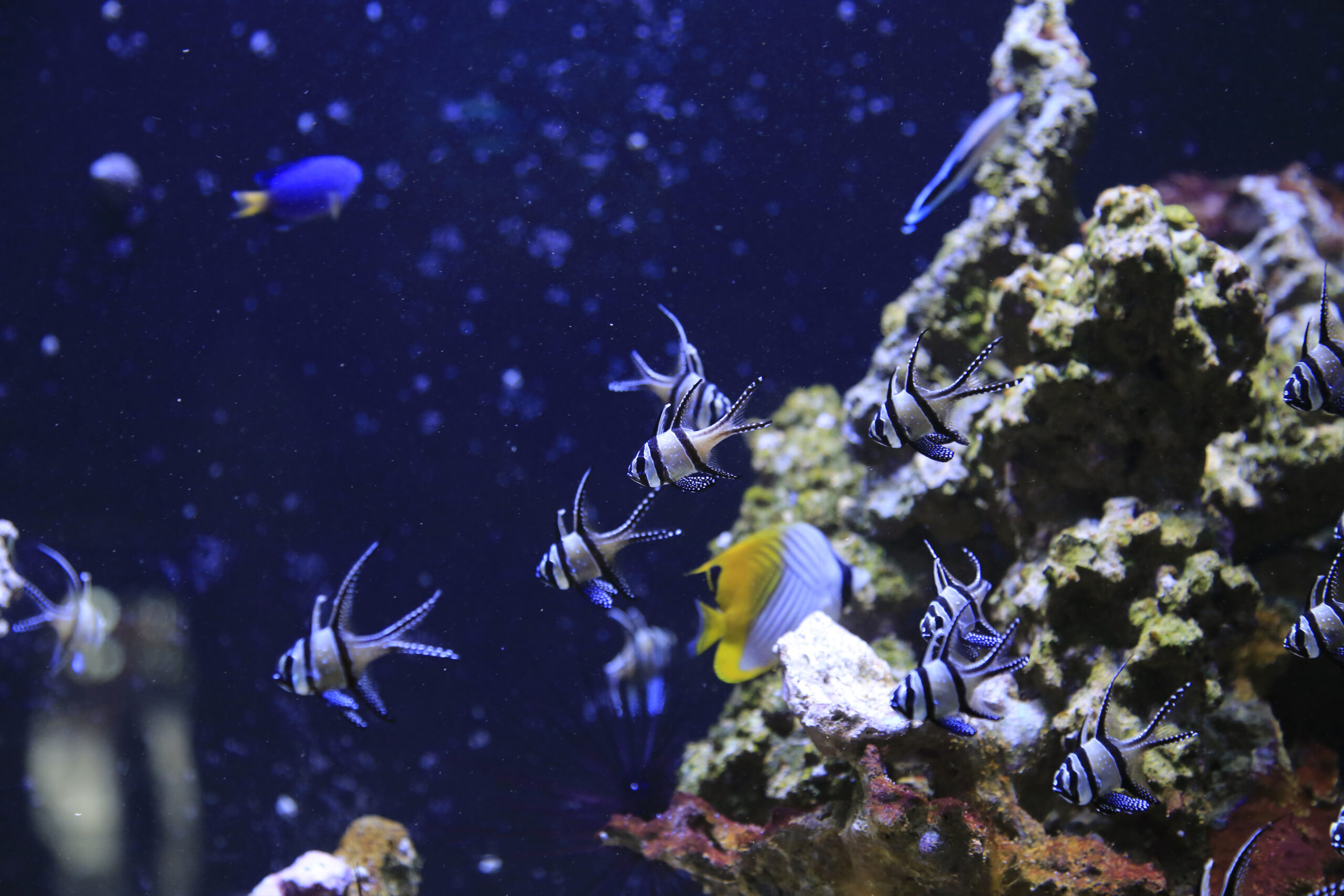
A professionally designed aquarium naturally attracts attention. The combination of moving fish, water, plants, colour and light creates a display that is very different from conventional artwork or signage.
A bespoke aquarium can be designed to complement a company’s interior style. Contemporary offices may prefer a clean, minimalist aquascape, while hotels and restaurants might choose a larger feature aquarium with dramatic lighting and colourful livestock.
The aquarium can also be integrated with reception furniture, installed within a wall or used as a room divider. When planned as part of the overall interior, it can make a space feel distinctive without appearing disconnected from the rest of the design.
Customers are more likely to remember an environment that contains an unusual and attractive feature. This can be particularly useful for businesses operating in competitive sectors where customer experience and brand presentation matter.
Creating a More Welcoming Reception Area
Waiting can feel uncomfortable, especially in medical practices, dental surgeries, professional offices and other settings where visitors may already feel uncertain or nervous.
An aquarium gives people a natural point of focus. Instead of looking repeatedly at a clock or phone, visitors can observe the movements, colours and behaviours within the display.
Research into aquarium viewing suggests that interaction with or observation of fish may have potential wellbeing benefits, although the evidence is not conclusive in every setting. A 2019 systematic review found promising indications that aquarium exposure could support relaxation and certain aspects of human wellbeing, but it also noted that the available evidence was limited and further research was needed. Read the systematic review on aquarium interaction and human wellbeing.
A workplace aquarium should therefore not be presented as a medical treatment or guaranteed way to reduce anxiety. Its more defensible benefit is that it can make a waiting environment feel more engaging, visually appealing and less clinical.
The aquarium can also help children remain occupied while parents or carers speak to staff. Watching fish may encourage questions and conversation, making the waiting period feel more manageable.
Introducing Nature into the Workplace
Many modern workplaces contain artificial lighting, screens, hard surfaces and limited views of the natural environment. An aquarium introduces an element of living nature into an otherwise highly constructed space.
This approach is related to biophilic design, which involves incorporating natural elements, patterns and experiences into buildings. Plants, natural materials, daylight, water and views of nature can all form part of a biophilic interior.
An aquarium combines several of these elements. It includes water, movement, natural forms, living organisms and, in many cases, aquatic plants, rocks and wood.
Research into biophilic indoor environments has found evidence of better recovery responses following stress when participants were exposed to spaces containing natural design elements. However, individual responses and the strength of the effect can vary, and not all findings relate specifically to physical aquariums. Research on biophilic indoor environments and stress recovery.
A workplace aquarium can therefore contribute to a broader biophilic design strategy. It may be combined with indoor planting, natural textures and comfortable lighting to create a warmer and more balanced interior.
Supporting Moments of Relaxation
Work can involve deadlines, demanding conversations and long periods of concentration. Short visual breaks may help employees temporarily redirect their attention before returning to a task.
An aquarium provides a gentle source of movement without requiring active participation. Fish swim at varying speeds, plants move in the current and small details within the aquascape change throughout the day.
A controlled study comparing live fish, plants, an empty aquarium and a control condition found that viewing live fish was associated with better perceptions of relaxation and mood and lower anxiety than some comparison conditions. The study does not prove that every workplace aquarium will create the same response, but it supports the possibility that observing a well-maintained display can be a positive experience. Study on observing live fish, mood and relaxation.
Employees might observe the aquarium during a break, while waiting for a meeting or between demanding tasks. These brief moments can provide a visual change from computer screens, paperwork and enclosed meeting rooms.
Businesses should avoid claiming that an aquarium will cure stress or improve mental health. Its potential value lies in helping create an environment in which small moments of calm are more readily available.
Encouraging Screen Breaks
Many employees spend a significant part of the working day looking at computers, phones or other digital devices. An aquarium offers an alternative visual focus that does not involve another screen.
Looking away from a monitor periodically can provide a change of viewing distance and help staff become more conscious of taking short breaks. The aquarium can be positioned in a shared area, breakout space or staff room where employees naturally pause.
This does not replace appropriate workplace arrangements, ergonomic equipment or recommended screen breaks. However, it can make non-digital breaks feel more appealing.
Rather than checking social media during every spare moment, an employee may spend a minute watching the aquarium. That brief change of attention can create a clearer separation between periods of concentrated work.
An aquarium is especially suitable for offices that want to reduce the visual dominance of screens and technology without adding another interactive display.
Creating a Conversation Starter
Aquariums naturally encourage questions. Visitors may ask about a colourful fish, an unusual plant or the way the filtration system works.
This can make the aquarium a useful conversation starter between employees, customers and visitors. It offers a neutral subject that can help break the ice before a meeting or appointment.
Within the workforce, employees from different teams may gather near the aquarium and begin informal conversations. These small interactions can contribute to a friendlier workplace atmosphere.
The display may also become part of the business’s identity. Staff might name certain fish, follow the growth of plants or notice changes within the aquascape.
For customer-facing organisations, the aquarium can make introductory conversations feel more natural. A member of staff can discuss the display before moving into a formal consultation, helping visitors settle into the environment.
Strengthening Workplace Identity
A bespoke aquarium can be designed to reflect the character of a business. Its shape, cabinetry, lighting and aquascaping materials can complement the company’s branding and interior design.
A professional practice may choose an elegant and understated planted aquarium. A creative agency might prefer an unusual aquascape with dramatic wood and rock formations. A hospitality venue could use a large feature aquarium to create a memorable visual experience.
Brand colours may be reflected subtly through cabinetry or lighting, although the needs of fish and plants must always take priority. Aquarium lighting should never be selected solely to reproduce a corporate colour if it creates unsuitable conditions for the livestock.
The installation can also communicate values such as long-term care, environmental interest and appreciation of natural design. These messages should be supported by responsible stocking and professional maintenance.
A neglected aquarium would communicate the opposite. Cloudy water, excessive algae or unhealthy fish can damage the impression a business is trying to create. The quality of maintenance is therefore as important as the original design.
Enhancing Offices and Meeting Areas
Aquariums are often installed in reception areas, but they can also enhance offices, meeting rooms and collaborative spaces.
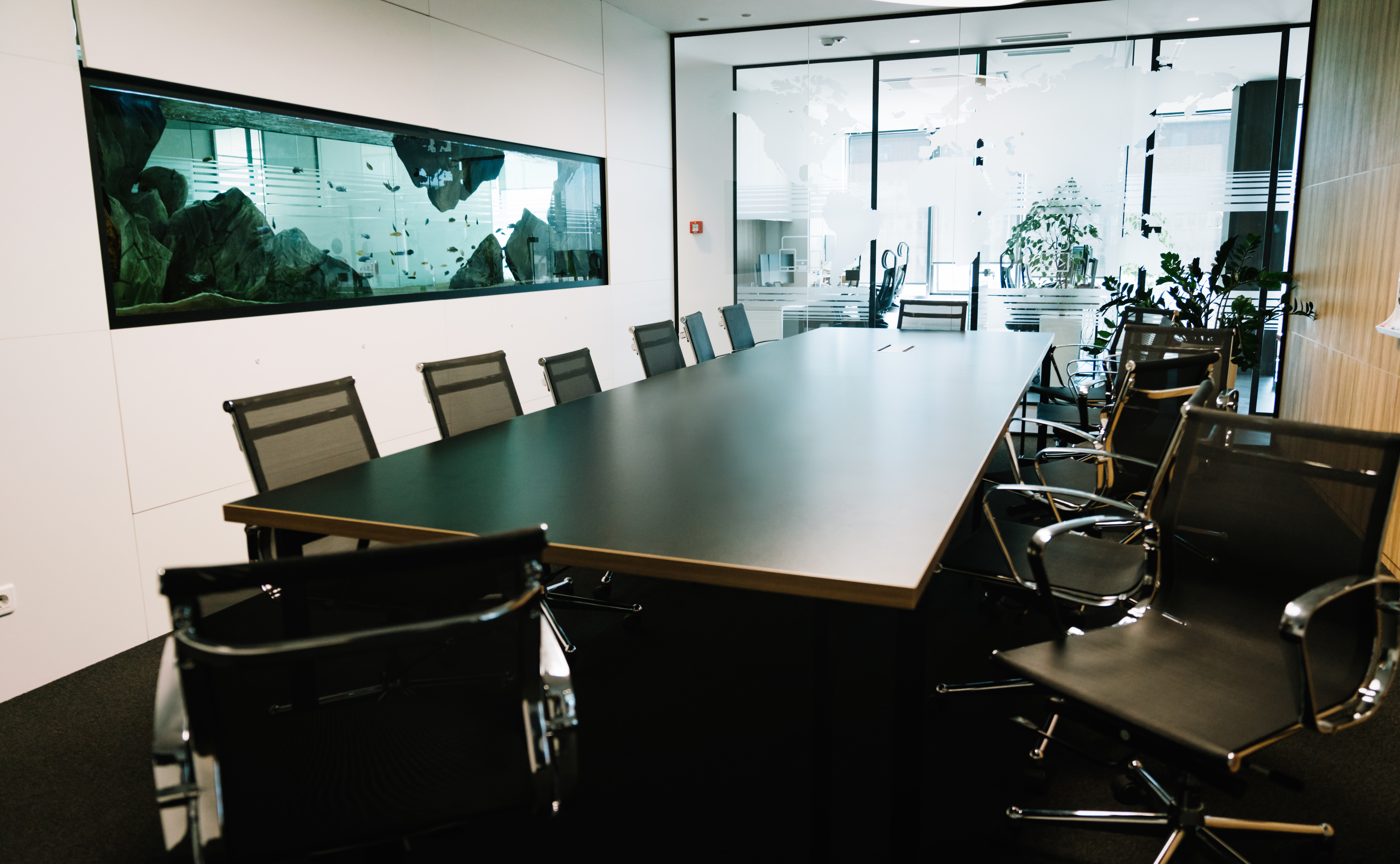
A long aquarium can define the boundary between a working area and a breakout space. A double-sided tank can divide two areas while maintaining a sense of openness. A built-in aquarium can create visual interest without occupying additional floor space.
Meeting rooms can sometimes feel formal or enclosed. An aquarium can soften the environment and provide a more relaxed backdrop for discussions.
The system must be designed to operate quietly. Filters, pumps and water movement should not interfere with conversations, telephone calls or video meetings.
Lighting should also be controlled carefully. Excessively bright aquarium lights may cause reflections on screens or become distracting. Programmable lighting can coordinate the aquarium’s schedule with the building’s opening hours.
A professional designer can assess viewing angles, noise requirements and maintenance access before determining the best position.
Improving the Customer Experience
Customer experience is influenced by more than the direct service being provided. The appearance, comfort and atmosphere of the premises can affect how people perceive their visit.
An aquarium can make a space feel considered and cared for. It may provide entertainment during a delay and give customers something memorable to discuss afterwards.
In hotels and restaurants, an aquarium can contribute to the overall ambience. In a salon, showroom or professional office, it can make the reception area feel more distinctive.
Healthcare and dental waiting rooms may use aquariums to make clinical surroundings feel less severe. Evidence relating to aquariums in waiting areas is mixed: some research has identified potential benefits, while at least one controlled dental waiting-room study found no significant effect on measures including anxiety, mood, heart rate or blood pressure. Dental waiting-room aquarium study.
This mixed evidence reinforces the importance of making measured claims. An aquarium can clearly improve visual interest and provide a natural focus, but businesses should not promise a specific clinical outcome.
Creating Educational Opportunities
A workplace aquarium can also have educational value. This is particularly relevant in schools, nurseries, care environments, veterinary practices, libraries and family-focused businesses.
People can learn about aquatic habitats, fish behaviour, plant growth, water chemistry and biological filtration. The aquarium can demonstrate how living organisms depend on a balanced environment.
Educational information may be displayed near the tank, explaining the species, their natural habitats and responsible care requirements. Digital resources or QR codes can provide further information without covering the aquarium in signage.
Businesses can use the installation to discuss topics such as biodiversity, conservation and animal welfare. However, the educational message must be accurate and supported by appropriate husbandry.
An aquarium should never be treated as an unattended display. Its inhabitants require daily observation, suitable feeding and professional care when staff are not trained to maintain the system.
Helping to Define Open-Plan Spaces
Open-plan workplaces can benefit from visual separation, but solid walls may reduce natural light and make the space feel enclosed.
A double-sided aquarium can function as a room divider while preserving visibility and light. It may separate a reception area from an office, define a waiting zone or create a boundary around a breakout area.
Aquariums can also be installed as peninsula displays with three visible sides. This arrangement creates a strong visual feature while guiding movement through the room.
Using an aquarium as part of the layout requires careful technical planning. The floor must support its total weight, and filtration equipment must remain accessible.
Cables and pipework should be concealed without making future repairs difficult. The design must also prevent the aquarium from obstructing walkways or emergency routes.
When planned correctly, a bespoke tank can combine decorative, spatial and practical functions.
Supporting Hospitality and Retail Environments
In hospitality and retail settings, visual experience can influence how long customers remain within a space and what they remember about it.
A professionally installed aquarium can create a premium atmosphere in a hotel, bar, restaurant, showroom or retail environment. It can act as a focal point for photographs and social-media content, potentially increasing awareness of the venue.
The aquarium should support rather than dominate the customer experience. Its scale, lighting and position must complement the surrounding interior.
In restaurants, the design should consider hygiene, noise, service routes and local environmental conditions. Aquariums should not be positioned where they are exposed to excessive heat, grease, vibration or accidental impact.
Retail installations must also be protected from frequent contact and unsupervised feeding. Secure lids, durable cabinetry and clear responsibilities for care are essential.
The use of an aquarium for commercial impact never reduces the business’s duty to maintain proper animal welfare.
Demonstrating Attention to Detail
A healthy, professionally maintained aquarium requires consistency and attention. When customers see a clean display with healthy livestock and carefully managed planting, it can reinforce a broader impression of quality.
This benefit depends entirely on the standard of care. Scratched glass, visible equipment faults, dying plants or neglected fish can quickly undermine the intended message.
Businesses should view aquarium maintenance as part of their premises-management responsibilities. The display should receive the same planned attention as cleaning, lighting, signage and other customer-facing features.
A maintenance record may be useful, especially where more than one person is responsible for daily checks. Staff should know who to contact if a fish appears unwell or equipment stops operating.
Professional maintenance helps preserve the visual quality of the installation while supporting animal welfare and system reliability.
Choosing the Right Aquarium for a Workplace
The right workplace aquarium depends on the available space, budget, business type and amount of maintenance that can be supported.
Freshwater aquariums are suitable for many offices because they offer a wide choice of fish and plants without the more advanced requirements of a reef system.
A planted freshwater aquascape can create a natural and sophisticated appearance. It may use rock, aquarium-safe wood and live plants to form a carefully composed underwater landscape.
Marine aquariums can be visually striking, but they generally require more specialist equipment and closer monitoring. Businesses considering a reef or marine display should budget for professional maintenance.
The tank should be large enough to create visual impact without overwhelming the room. Its dimensions must also suit the intended fish.
Standard aquarium packages may be appropriate for smaller workplaces, while bespoke systems offer greater control over size, shape, cabinetry and integration with the interior.
Selecting the Best Location
A reception area is a natural choice because it allows customers and visitors to enjoy the aquarium. Breakout areas and staff rooms can make the display more accessible to employees.
The tank should not be positioned in direct sunlight. Strong sunlight can contribute to temperature fluctuations and excessive algae.
It should also be kept away from radiators, external doors, air-conditioning outlets and areas with heavy vibration. Stable environmental conditions are important for the health of the aquarium.
Electrical supplies must be suitable and safely positioned. Large systems may also benefit from nearby water and drainage connections to simplify maintenance.
The aquarium must not obstruct entrances, corridors or fire exits. There should be enough space to open the cabinet, remove equipment, clean the glass and complete water changes.
Maintenance access should be included from the beginning rather than addressed after the installation is finished.
Managing Noise and Distraction
Aquarium equipment produces some noise, including the operation of filters, pumps and moving water. In a quiet office, poorly selected equipment could become distracting.
Professional installers can specify quieter pumps and design the pipework to reduce vibration and unnecessary splashing. Cabinets may incorporate sound-reducing materials while retaining sufficient ventilation.
Fish and water movement can attract attention, which is usually part of the appeal. However, the display should not be positioned directly behind computer screens or in a location where movement constantly interrupts concentrated work.
Lighting should be programmed to match appropriate operating hours. Fish require a consistent day-and-night cycle, so aquarium lights should not remain on around the clock.
A well-designed installation provides visual interest without creating excessive noise, brightness or disruption.
Planning for Maintenance
Every workplace aquarium needs a clear maintenance plan. Assuming that an interested employee will manage it informally can create inconsistent care.
Routine maintenance may include partial water changes, glass cleaning, water testing, filter servicing, plant trimming and equipment inspections. Fish must also be observed regularly for changes in behaviour, appearance or appetite.
A professional maintenance service can visit on an agreed schedule. The frequency will depend on the aquarium’s size, stocking, filtration and planting.
Staff may still need to complete simple daily tasks such as checking the temperature, observing the fish and confirming that pumps are operating. Feeding should be controlled because overfeeding is a common cause of poor water quality.
The plan should also cover weekends, public holidays and periods when the workplace is closed. Automatic feeders can assist in some circumstances but must be used correctly and checked regularly.
Protecting Fish Welfare
The fish and other inhabitants must remain the central consideration throughout the project. An aquarium should never be installed solely as decoration without a plan for responsible care.
Species must be selected according to adult size, compatibility, social needs and water requirements. The tank should provide suitable swimming space, shelter and environmental enrichment.
Livestock should be introduced gradually after the aquarium has completed its biological cycling process. Adding fish immediately to a newly filled tank can expose them to harmful ammonia and nitrite.
Lighting, temperature, water quality and feeding must remain consistent. Businesses should also have access to appropriate aquatic or veterinary advice if health concerns arise.
Professional installation and maintenance can help create better conditions, but decision-makers should still understand the basic responsibilities involved in keeping living animals.
Understanding the Costs
The cost of installing a workplace aquarium varies according to size, system type and design complexity.
A standard freshwater tank with professional installation may represent a relatively modest project, while a large built-in aquarium with custom cabinetry, sump filtration and automated controls can require a substantial investment.
The initial budget should include design, manufacturing, equipment, delivery, installation, aquascaping and commissioning. Building work, electrical services and structural assessments may be charged separately.
Ongoing expenses include electricity, food, water treatments, replacement media, equipment repairs and professional maintenance.
Businesses should consider the total cost of ownership rather than only the purchase price. A properly specified system may cost more initially but provide better reliability, quieter operation and easier maintenance.
Is a Workplace Aquarium Right for Your Business?
A workplace aquarium can be an excellent investment when the organisation values interior presentation and is prepared to provide consistent care.
It may be particularly beneficial for businesses with reception areas, waiting rooms, customer lounges or shared staff spaces. It can also support hospitality venues and organisations that want a distinctive natural feature.
An aquarium may not be appropriate where there is no suitable location, insufficient structural support or no realistic plan for ongoing maintenance.
The decision should be based on space, budget, animal-welfare responsibilities and the intended purpose of the installation.
A professional site assessment can identify suitable options and explain any limitations before the business commits to the project.
Workplace Aquarium Design from Matthews Aquatic Paradise Ltd
Matthews Aquatic Paradise Ltd provides professional aquarium design, installation, aquascaping and maintenance for workplaces and commercial environments throughout the UK.
Every project can be tailored to the organisation’s available space, interior style, budget and operational needs. From compact reception displays to bespoke feature aquariums, careful planning ensures that the system is attractive, practical and appropriate for its inhabitants.
Matthews Aquatic Paradise Ltd can help with aquarium selection, equipment specification, aquascape design, installation, water preparation and ongoing care. Professional maintenance packages can also help businesses keep their aquarium clean, healthy and presentable without relying on untrained staff.
To discuss an aquarium for your office, reception, hotel, restaurant or commercial premises, visit www.matthewsaquaticparadise.co.uk, email info@matthewsaquaticparadise.co.uk or call 0330 043 6994.
Research into aquariums and human wellbeing remains developing, and individual experiences vary. A workplace aquarium should not be presented as a substitute for appropriate medical care, employee support, ergonomic workplace design or professional mental-health services.