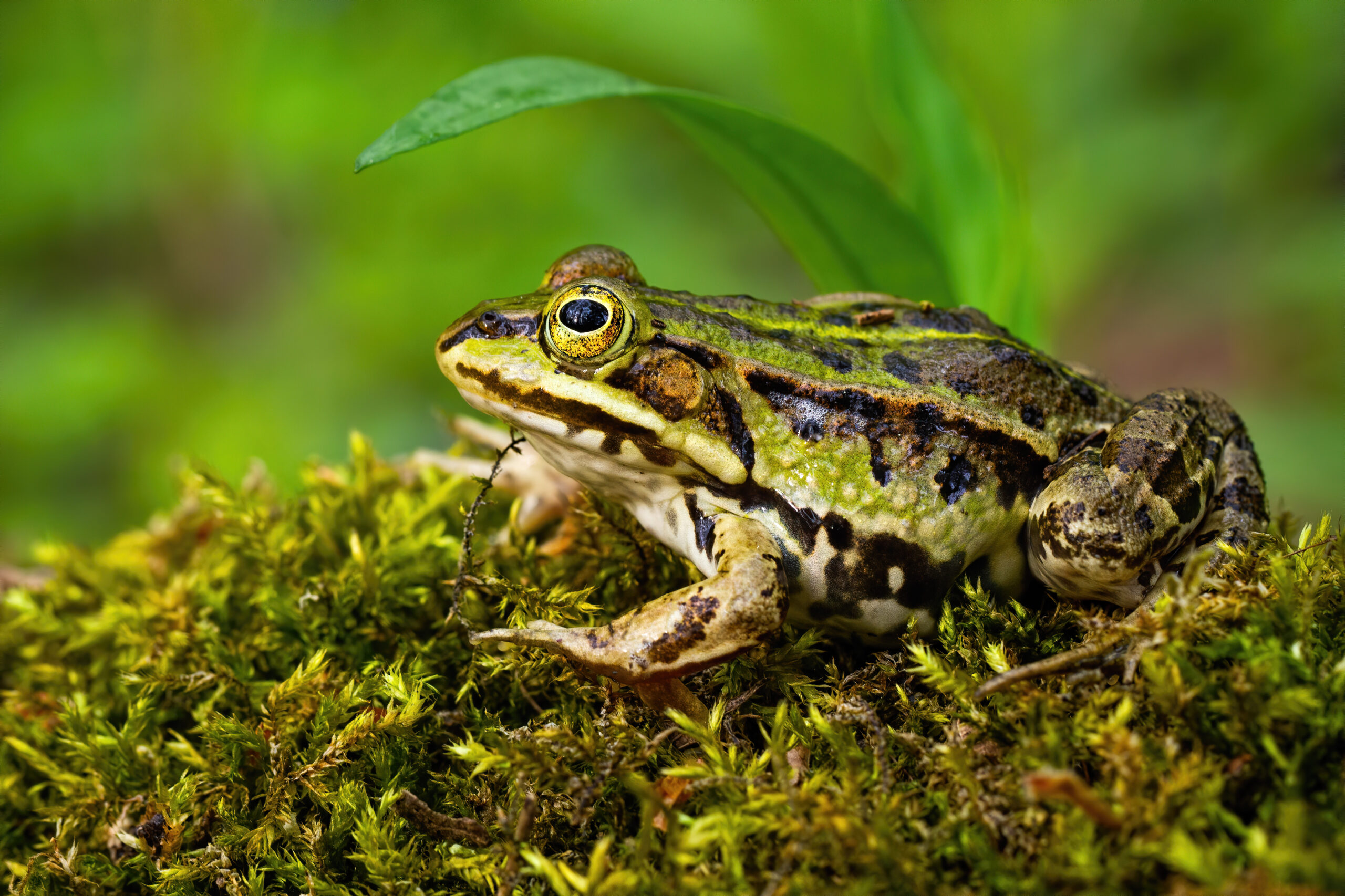
The common frog is one of Britain’s most recognisable wild animals. With its smooth skin, powerful hind legs and distinctive dark patch behind each eye, this remarkable amphibian is a welcome visitor to garden ponds, wetlands, woodlands and other damp habitats throughout the UK.
Scientifically known as Rana temporaria, the common frog plays an important role in the natural environment. It consumes slugs, insects, worms and other small invertebrates while also providing food for birds, mammals, fish and other wildlife. Its fascinating transformation from frogspawn to tadpole and then froglet also makes it one of the best species through which children and adults can learn about the natural world.
At Matthews’ Aquatic Paradise Ltd, we are passionate about aquatic environments and the animals that depend on them. Although common frogs are wild animals rather than aquarium pets, understanding their needs can help us create safer gardens, healthier wildlife ponds and more connected habitats.
In this detailed guide, we explore how to identify the common frog, where it lives, what it eats, how its life cycle works and what you can do to support frogs in your own outdoor space.
What Is a Common Frog?
The common frog is a widespread amphibian found across much of Britain and Ireland, as well as large areas of mainland Europe. Unlike reptiles, amphibians generally have soft, permeable skin and depend on water or damp environments during important stages of their lives.
Common frogs are often associated with ponds because they return to water to breed. However, they spend much of the year on land. They can be found hiding beneath vegetation, stones, logs, compost heaps and other cool, moist shelters.
An adult common frog typically has a compact body, large eyes and long hind legs designed for jumping and swimming. Its colour can vary considerably. Some individuals are green, while others are brown, olive, grey, yellowish or reddish. Their ability to blend into natural surroundings helps protect them from predators.
Most common frogs also have irregular dark markings across their backs and legs. One of the most useful identifying features is the dark mask-like patch behind the eye.
How to Identify a Common Frog
Common frogs can sometimes be confused with common toads, especially when partially hidden among plants. However, several features can help you tell them apart.
A common frog generally has smooth, moist-looking skin, whereas a common toad has drier, rougher and more noticeably warty skin. Frogs usually have longer hind legs and move by making strong jumps. Toads have shorter legs and tend to walk or make smaller hops.
Frogspawn and toad spawn also look different. Common frogs lay their eggs in rounded clumps of jelly, often floating close to the surface in shallow water. Common toads usually lay their eggs in long strings wrapped around aquatic vegetation.
Common frogs can vary greatly in colour, so colour alone should not be used for identification. Look instead at the skin texture, body shape, dark eye patch and method of movement.
Where Do Common Frogs Live?
Common frogs can survive in a surprisingly wide range of habitats, provided they have access to moisture, shelter and a suitable place to breed.
They may be found in:
- Garden ponds
- Woodland pools
- Marshes and wetlands
- Damp grasslands
- Allotments
- Parks
- Farmland
- Woodland edges
- Compost heaps
- Beneath logs, stones and plant pots
Gardens have become especially important for common frogs because many natural ponds and wetlands have disappeared or become fragmented. Even a relatively small wildlife pond can provide a valuable breeding place and source of water.
Frogs do not necessarily remain in the pond throughout the year. Once the breeding season has ended, adults may move into long grass, flower beds, hedges and other damp parts of the garden. Young froglets will also leave the water after completing metamorphosis.
This means that supporting frogs involves more than simply providing a pond. They also need safe routes through the garden and suitable places to feed, rest and shelter.
The Life Cycle of the Common Frog
The common frog has one of the most fascinating life cycles in the natural world. It begins in water but eventually produces an animal that can spend most of its adult life on land.
Breeding Season
Common frogs usually return to ponds during late winter or early spring. The exact timing varies depending on location and weather conditions. In milder parts of the UK, frogspawn may appear as early as January, while colder areas may not see spawning activity until February, March or even later.
Male frogs often arrive at breeding ponds before females. Their familiar croaking calls are used to attract mates and establish their presence.
During mating, the male holds onto the female in an embrace known as amplexus. The female releases her eggs into the water, and the male fertilises them externally.
Frogspawn
Common frog eggs are laid in jelly-like clumps, usually in shallow, still water. A single clump may contain hundreds or even thousands of eggs.
Each egg has a dark centre surrounded by clear protective jelly. The jelly helps protect the developing embryo while allowing light and warmth to reach it.
Not every egg will survive. Frogspawn may be affected by frost, shade, pollution, predators or unsuitable water conditions. Laying many eggs increases the likelihood that at least some young frogs will reach adulthood.
Frogspawn should be observed without unnecessary handling. It should not be moved between ponds because doing so can spread amphibian diseases, invasive plants and unwanted organisms. Conditions in the destination pond may also be unsuitable.
Tadpoles
When the eggs hatch, tiny tadpoles emerge. Newly hatched tadpoles may remain attached to nearby plants or jelly for a short period before beginning to swim freely.
Young common frog tadpoles feed largely on algae, microscopic organisms and decaying plant material. As they develop, their diet may become more varied.
Tadpoles initially have rounded bodies and long tails. Their back legs develop first, followed by the front legs. Internal changes also take place as they prepare to move from an aquatic existence to life on land.
Froglets
During metamorphosis, the tadpole gradually absorbs its tail and develops the body shape of a miniature frog. Once the tail has largely disappeared, the young froglet leaves the pond.
Froglets can be extremely small and vulnerable. They may emerge in large numbers, particularly after rain or during damp weather. Gardeners should take extra care when mowing grass, strimming pond edges or moving objects close to the water.
The young frogs disperse into surrounding habitats, where they feed and grow. It generally takes several years for them to reach maturity and return to breed.
What Do Common Frogs Eat?
Adult common frogs are carnivorous and feed on a variety of small invertebrates. Their diet may include:
- Flies
- Beetles
- Moths
- Spiders
- Slugs
- Snails
- Worms
- Caterpillars
- Other small invertebrates
A frog uses its sticky tongue to capture suitable prey. Rather than hunting over long distances, it often waits quietly until an animal comes within striking range.
Because they consume slugs and many other garden invertebrates, frogs can be useful natural predators. However, they should not be viewed simply as a method of pest control. Their greater value lies in the important role they play within a balanced ecosystem.
There is normally no need to feed wild frogs. Providing a varied, pesticide-free habitat will encourage the invertebrates they naturally eat.
Do Common Frogs Live in Fishponds?
Common frogs may visit or breed in ponds that contain fish, but a traditional wildlife pond is generally more suitable for successful breeding.
Many fish species will eat frogspawn and tadpoles. Larger fish may also disturb shallow areas and reduce the number of aquatic invertebrates available. Powerful pumps, steep sides and limited planting can create additional difficulties for amphibians.
If you want to support frogs, consider creating a separate fish-free wildlife pond. Even a compact pond can provide valuable habitat when it includes shallow areas, native plants, natural cover and an easy exit route.
Never release aquarium fish into a wildlife pond or natural waterway. Fish can disrupt native ecosystems, introduce disease and may struggle to survive in unsuitable conditions. Unwanted aquarium animals should always be rehomed responsibly.
How to Create a Frog-Friendly Wildlife Pond
A wildlife pond does not need to be enormous or highly decorative. What matters most is that it provides safe access, suitable water conditions and a range of natural habitats.
Include Shallow Areas
Common frogs often lay their spawn in shallow water because it warms more quickly in spring. A pond with several depths can provide different temperatures and habitats for a wider variety of wildlife.
Provide an Easy Exit
Every pond should have a gently sloping side, beach area, ramp or collection of securely positioned stones that allows animals to leave the water.
Steep, smooth pond walls can trap frogs, hedgehogs and other wildlife. An escape route is therefore one of the most important safety features.
Add Aquatic Plants
Aquatic plants provide shelter, oxygen, egg-laying surfaces and habitat for small pond organisms. A good wildlife pond may contain a mixture of submerged oxygenating plants, floating-leaved plants and marginal vegetation.
Choose plants carefully and avoid invasive non-native species. Native or responsibly sourced wildlife-friendly plants are generally the safest choice.
Allow Some Sunlight
A pond that receives a combination of sunlight and partial shade can provide varied conditions. Spring sunshine helps warm shallow spawning areas, while nearby vegetation offers shelter during warmer periods.
A pond that is completely shaded may remain too cold for successful frogspawn development. Conversely, a tiny pond in uninterrupted summer sun may overheat or lose water quickly.
Avoid Chemicals
Pesticides, herbicides and other garden chemicals can harm frogs directly or reduce the invertebrates they depend upon for food. Amphibians have permeable skin, making them particularly vulnerable to pollutants.
Avoid adding unnecessary chemical treatments to a wildlife pond. A natural balance of plants and microorganisms is usually better for amphibians than water that is managed like a decorative fishpond.
Do Not Add Fish
A fish-free pond gives frogspawn and tadpoles a better chance of survival. Fish are natural predators of eggs and larvae and can significantly change the pond ecosystem.
If you already have an ornamental fishpond, consider adding a separate wildlife pond elsewhere in the garden rather than mixing two habitats with very different requirements.
Creating a Frog-Friendly Garden
A pond is only one part of a frog’s habitat. Once frogs leave the water, they need damp shelter, feeding areas and safe routes through the landscape.
You can make your garden more welcoming by:
- Leaving some grass slightly longer
- Creating a log pile in a shady position
- Allowing dense planting near the pond
- Providing ground-level gaps beneath fences
- Avoiding pesticides and slug pellets
- Checking long grass before mowing
- Checking compost heaps before turning them
- Keeping drains and deep containers covered
- Providing an escape route from ponds and water features
- Leaving some fallen leaves in quiet corners
Frogs often travel between neighbouring gardens. Solid fencing can fragment their habitat, so a small ground-level opening can make a meaningful difference.
Log piles, rock gardens and compost areas provide cool, damp places in which frogs can shelter. These features also support insects and other invertebrates, creating a more complete food web.
What Happens to Common Frogs in Winter?
During colder weather, common frogs seek sheltered places where they are protected from severe frost and predators. They may spend winter beneath logs, stones, leaf litter, compost heaps or other undisturbed structures.
Some frogs overwinter at the bottom of ponds. They can absorb oxygen through their skin, but they still require sufficiently oxygenated water.
If a pond freezes, do not smash the ice. The force and pressure changes may disturb or injure wildlife. Instead, focus on maintaining a healthy pond with suitable plants and avoiding excessive decomposing material.
Frogs are not always completely inactive throughout winter. During mild periods, they may emerge from their shelters and occasionally forage.
Common Threats Facing Frogs
Although the common frog remains widespread, it faces several pressures. These include habitat loss, the disappearance of ponds, pollution, roads, garden chemicals, disease and fragmented green spaces.
Climate change may also affect breeding times, water levels and the availability of suitable damp habitats. Early spawning followed by a severe frost can damage exposed frogspawn, while prolonged dry weather can cause small ponds to shrink or dry out before tadpoles complete their development.
Domestic activities can create accidental dangers. Frogs may become trapped in drains, uncovered holes, swimming pools or steep-sided water containers. They can also be injured by lawnmowers, strimmers and garden tools.
Responsible pond and garden management can reduce many of these risks.
What Should You Do If You Find a Frog?
In most cases, the best response is simply to leave the frog where it is. A frog found in long grass, beneath a plant pot or away from a pond is not necessarily lost. Adult frogs spend much of their time on land.
Avoid repeatedly handling wild amphibians. If a frog is in immediate danger, such as on a busy road or trapped in a container, it may be moved a very short distance to a safe, sheltered place in the direction it was travelling.
If handling is unavoidable, ensure your hands are clean, wet and free from soap, moisturiser, sanitiser or other chemicals. Keep contact brief.
Do not take a wild frog home as a pet and do not move frogs, frogspawn or tadpoles between ponds. Translocation can spread disease and disrupt established ecosystems.
If you find several sick or dead frogs, seek advice from a recognised amphibian or wildlife organisation. Avoid transferring pond water, plants or equipment to other water bodies.
Common Frog Facts
Here are some quick facts about this much-loved British amphibian:
- Scientific name: Rana temporaria
- Animal group: Amphibian
- Typical habitat: Ponds, gardens, wetlands, woodland and damp grassland
- Diet: Insects, worms, slugs and other invertebrates
- Frogspawn appearance: Rounded clumps of jelly
- Skin: Smooth and moist
- Movement: Strong jumps and powerful swimming
- Breeding period: Usually late winter to spring
- Young stage: Tadpole
- Main identification feature: A dark patch behind the eye
- UK status: Widespread, but still affected by habitat loss and environmental pressures
Why Common Frogs Matter
Common frogs are an important part of the British countryside and the urban environment. As both predators and prey, they connect different parts of the food web.
Their presence can also indicate that a garden offers water, shelter and a healthy supply of invertebrates. A frog-friendly garden will often support many other species, including dragonflies, beetles, birds and small mammals.
Protecting frogs does not require a perfectly tidy or heavily managed space. In fact, slightly wilder gardens often provide the best habitat. A patch of long grass, a pile of logs, a chemical-free pond and a gap beneath the fence can collectively create an important wildlife refuge.
Supporting Aquatic Life with Matthews’ Aquatic Paradise Ltd
At Matthews’ Aquatic Paradise Ltd, our interest in aquatic life extends beyond the glass walls of an aquarium. Every pond, aquarium and natural wetland demonstrates how closely water quality, planting, habitat structure and animal welfare are connected.
The common frog is a perfect example of this relationship. It depends on water to reproduce, but it also needs healthy terrestrial habitat throughout the rest of the year. Supporting the species therefore requires a thoughtful balance between aquatic and land-based environments.
Whether you are interested in aquarium design, professional installation, aquascaping, fish care or ongoing aquarium maintenance, Matthews’ Aquatic Paradise Ltd is committed to promoting responsible and informed aquatic care.
Visit www.matthewsaquaticparadise.co.uk to discover more about our aquatic services, fish-care guidance and professionally designed aquarium environments.
Final Thoughts
The common frog may be familiar, but it is far from ordinary. Its transformation from a tiny egg into a swimming tadpole and then an air-breathing adult is one of nature’s most extraordinary processes.
By creating a wildlife pond, avoiding harmful chemicals, protecting damp garden habitats and allowing frogs to move safely between outdoor spaces, we can all contribute to their future.
The next time you hear a frog calling from a pond or spot one hiding beneath garden plants, take a moment to appreciate the vital role it plays. This small amphibian is not only an engaging garden visitor but also an important part of Britain’s natural heritage.