Aquarium carpet plants are one of the defining features of many beautiful aquascapes. By covering the substrate with dense, low-growing vegetation, they create the appearance of an underwater lawn and add depth, texture, and balance to the overall design. Whether you are aiming for a nature-inspired aquascape or simply want a greener aquarium, growing a healthy carpet takes planning, patience, and consistent care.
Although carpet plants can seem challenging for beginners, many species will thrive when provided with suitable lighting, stable water conditions, and regular maintenance. This guide explains how to choose, plant, and care for aquarium carpet plants so they establish successfully and continue to flourish.
What Are Aquarium Carpet Plants?
Carpet plants are aquatic species that spread horizontally across the substrate rather than growing tall. They form a dense layer of foliage that softens the foreground of the aquarium and creates a natural-looking foundation for rocks, driftwood, and taller plants.
Different carpet species vary in size, growth rate, and maintenance requirements. Some produce delicate leaves that require higher lighting levels, while others are more forgiving and suitable for beginners.
A healthy carpet enhances the visual appeal of an aquarium while providing shelter for shrimp, fry, and small bottom-dwelling fish.
Benefits of Carpet Plants
Beyond their decorative value, carpet plants offer several practical advantages.
They help stabilise the substrate with their root systems, absorb nutrients from the water column, compete with algae for resources, and contribute to biological balance within the aquarium. Dense carpets can also encourage more natural behaviour from fish by creating sheltered feeding and resting areas.
In well-maintained planted aquariums, carpet plants play an important role in creating a cohesive and visually pleasing aquascape.
Choosing the Right Species
Selecting a carpet plant suited to your aquarium conditions is one of the most important decisions you can make.
Beginner-friendly species often tolerate a wider range of lighting and water conditions, while more demanding varieties may require additional carbon dioxide supplementation and careful nutrient management.
Before purchasing plants, consider your aquarium size, lighting system, maintenance commitment, and experience level to ensure long-term success.
Preparing the Aquarium
Successful carpets begin with a stable and well-prepared aquarium. The tank should be fully cycled before introducing plants or livestock, with consistent temperature and water chemistry.
A nutrient-rich substrate designed for planted aquariums can encourage strong root development, although inert substrates may also be used when supported with root fertilisers where appropriate.
Ensure filtration provides gentle circulation without creating excessive current that could dislodge newly planted specimens.
The Importance of Lighting
Lighting is one of the most significant factors influencing carpet growth. Inadequate illumination often results in slow development, upward stretching, or thinning of the carpet as plants compete for available light.
Providing a consistent daily lighting period helps encourage horizontal spreading and compact growth. Excessively long photoperiods, however, may promote nuisance algae rather than healthier plants.
Using a timer helps maintain a reliable schedule and prevents unnecessary fluctuations.
Carbon Dioxide Considerations
Many carpet plants benefit from additional carbon dioxide, particularly in aquascapes with high lighting levels. Supplemental carbon dioxide can improve growth rates, encourage denser coverage, and support healthier leaves.
However, some easier species can still develop attractive carpets without carbon dioxide injection when given appropriate lighting and nutrition.
If carbon dioxide is used, maintaining stable levels is more important than chasing excessively high concentrations.
Nutrient Requirements
Healthy plant growth depends on access to both macronutrients and micronutrients. Nitrogen, phosphorus, potassium, iron, and trace elements all contribute to vigorous development and rich colouration.
Balanced fertilisation should complement lighting and carbon dioxide availability. Excess nutrients without sufficient plant demand may encourage algae, while deficiencies can lead to yellowing, stunted growth, or poor coverage.
Regular observation helps identify whether adjustments are needed.
Planting Carpet Plants Correctly
When planting tissue culture or potted carpet plants, divide them into multiple small portions rather than placing a single large clump into the substrate.
Using planting tweezers, insert each portion gently into the substrate while leaving enough spacing for runners to spread naturally. Although this process may take longer initially, it encourages more even coverage across the foreground.
Plant securely enough to prevent floating but avoid burying leaves beneath the substrate.
Encouraging Horizontal Growth
Once established, healthy carpet plants gradually spread across the aquarium floor through runners or creeping stems.
Maintaining stable conditions encourages lateral expansion rather than vertical growth. Consistent lighting, appropriate fertilisation, and avoiding sudden environmental changes all contribute to a dense and attractive carpet.
Patience is essential, as many species require several weeks or months to cover significant areas.
Water Quality Matters
Excellent water quality supports both plant health and fish wellbeing. Regular partial water changes help remove excess nutrients, organic waste, and contaminants while replenishing minerals used by aquatic vegetation.
Stable temperature, low ammonia and nitrite levels, and controlled nitrate concentrations create favourable conditions for sustained growth.
Testing water parameters periodically can reveal developing issues before they become serious.
Preventing Algae Problems
Newly planted carpets may be vulnerable to algae before they establish fully. Excess lighting, overfeeding, unstable carbon dioxide levels, or nutrient imbalances can all contribute to unwanted growth.
Removing algae manually, maintaining routine maintenance, and avoiding unnecessary fluctuations often prove more effective than relying solely on chemical treatments.
Healthy plants that grow vigorously naturally compete against algae for available resources.
Trimming for a Denser Carpet
Routine trimming encourages carpet plants to become thicker and more compact. Using curved aquascaping scissors, carefully trim the upper layer without removing excessive material in one session.
Pruning allows light to reach lower growth and reduces the risk of underlying sections deteriorating due to insufficient circulation or shading.
Collect trimmed fragments promptly to prevent decomposition.
Common Challenges
Even experienced aquarists occasionally encounter setbacks when growing carpet plants.
Slow growth may indicate insufficient lighting or nutrients, while melting leaves sometimes occur after planting as specimens adapt to submerged conditions. Uprooting can happen if plants are not anchored securely, particularly in aquariums with active bottom-dwelling fish.
Most problems can be resolved through patience, consistent maintenance, and gradual adjustments rather than sudden changes.
Fish and Invertebrates That Pair Well
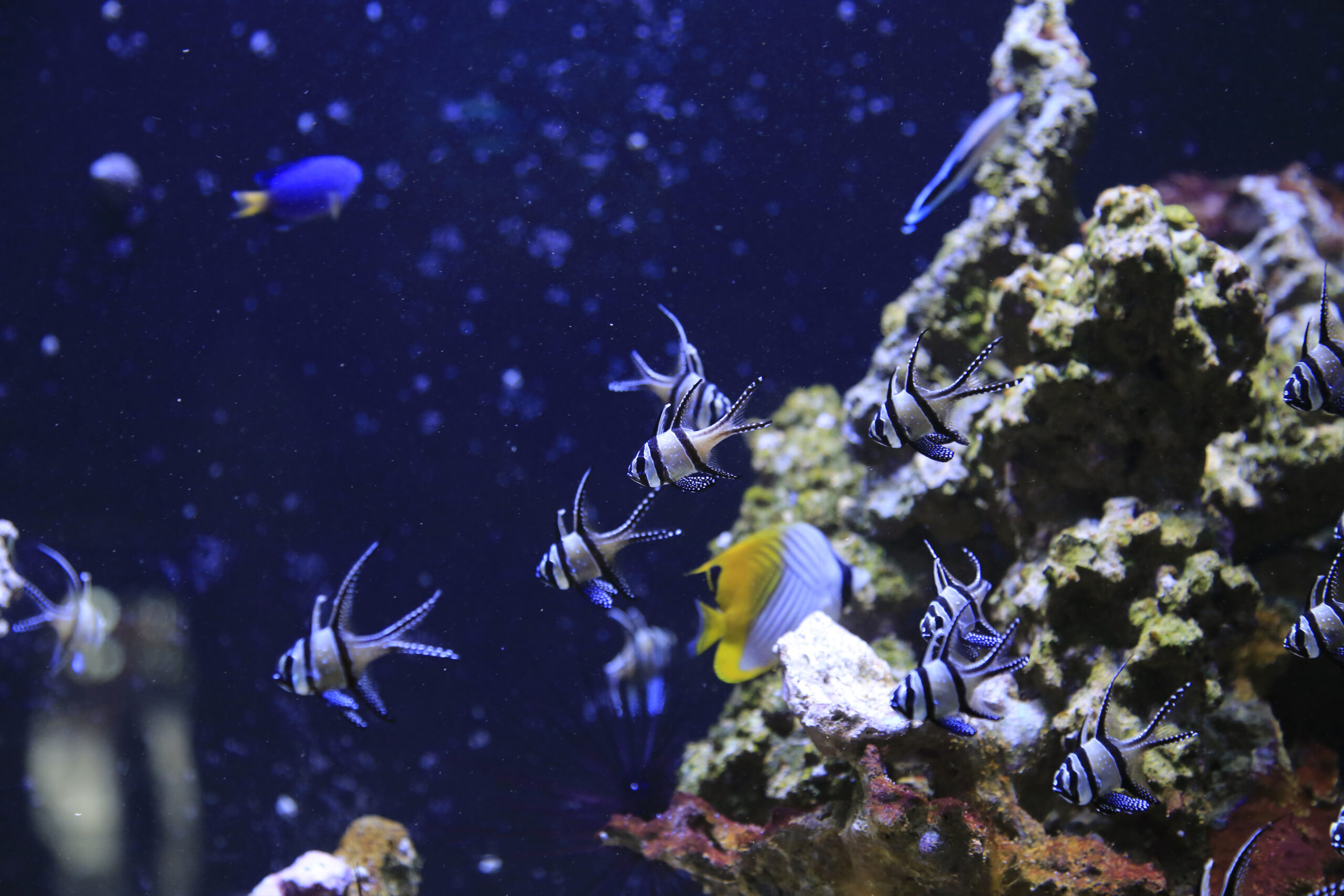
Many peaceful community fish complement carpeted aquariums beautifully. Small schooling species create movement above the foreground without disturbing plant growth, while shrimp often forage among the leaves and contribute to algae control.
Avoid species known for heavy digging or uprooting behaviour if maintaining a delicate carpet is a priority.
Providing a balanced combination of plants and compatible livestock creates a healthier and more visually appealing display.
Maintaining Long-Term Success
As the aquarium matures, regular care keeps carpet plants healthy and attractive. Weekly maintenance should include observing plant condition, removing dead material, trimming when necessary, checking equipment, and performing partial water changes.
Consistent routines generally produce better results than infrequent intensive interventions.
Well-established carpets often become increasingly resilient and easier to maintain over time.
Using Carpet Plants in Aquascaping
Carpet plants can dramatically influence the appearance of an aquascape. They create contrast against rocks and driftwood, frame pathways through the layout, and provide a sense of scale that makes larger features appear even more impressive.
Combining carpets with midground and background planting creates layered compositions that draw the viewer’s eye naturally through the underwater landscape.
Whether aiming for a minimalist layout or a lush nature-inspired scene, carpet plants often provide the finishing touch that unifies the design.
Final Thoughts
Growing aquarium carpet plants successfully requires patience, preparation, and attention to detail, but the rewards are considerable. A thriving foreground carpet transforms an ordinary planted aquarium into a vibrant underwater landscape while contributing to biological balance and enhancing the habitat for fish and invertebrates.
By selecting suitable species, providing stable lighting and nutrition, maintaining excellent water quality, and trimming regularly, aquarists of all experience levels can enjoy lush carpets that continue to improve as the aquarium matures. With time and consistent care, your planted tank can develop into a stunning display that showcases both the beauty of aquatic plants and the artistry of aquascaping.