Choosing an aquarium for your home is an exciting decision. A well-designed aquarium can become a beautiful focal point, introduce a sense of calm and bring the natural world into your living space. However, selecting the right aquarium involves much more than choosing a tank that looks attractive. Its size, position, filtration, livestock, maintenance requirements and running costs must all suit your home and lifestyle.
The best aquarium is not necessarily the biggest, most expensive or most technically advanced model. It is the one that provides a safe and stable environment for its inhabitants while remaining practical for you to operate and maintain. A carefully planned aquarium can provide years of enjoyment, whereas an unsuitable setup may lead to water-quality problems, excessive maintenance and unnecessary livestock losses.
Before purchasing equipment or choosing fish, take time to consider the type of aquarium you want, the space available and how much ongoing care you can provide. Professional advice during the planning stage can help you avoid expensive mistakes and create a healthier, more manageable aquatic environment.
Decide What Type of Aquarium You Want
The first step is deciding which type of aquarium appeals to you. Most home aquariums fall into one of four broad categories: coldwater, tropical freshwater, planted freshwater or marine.
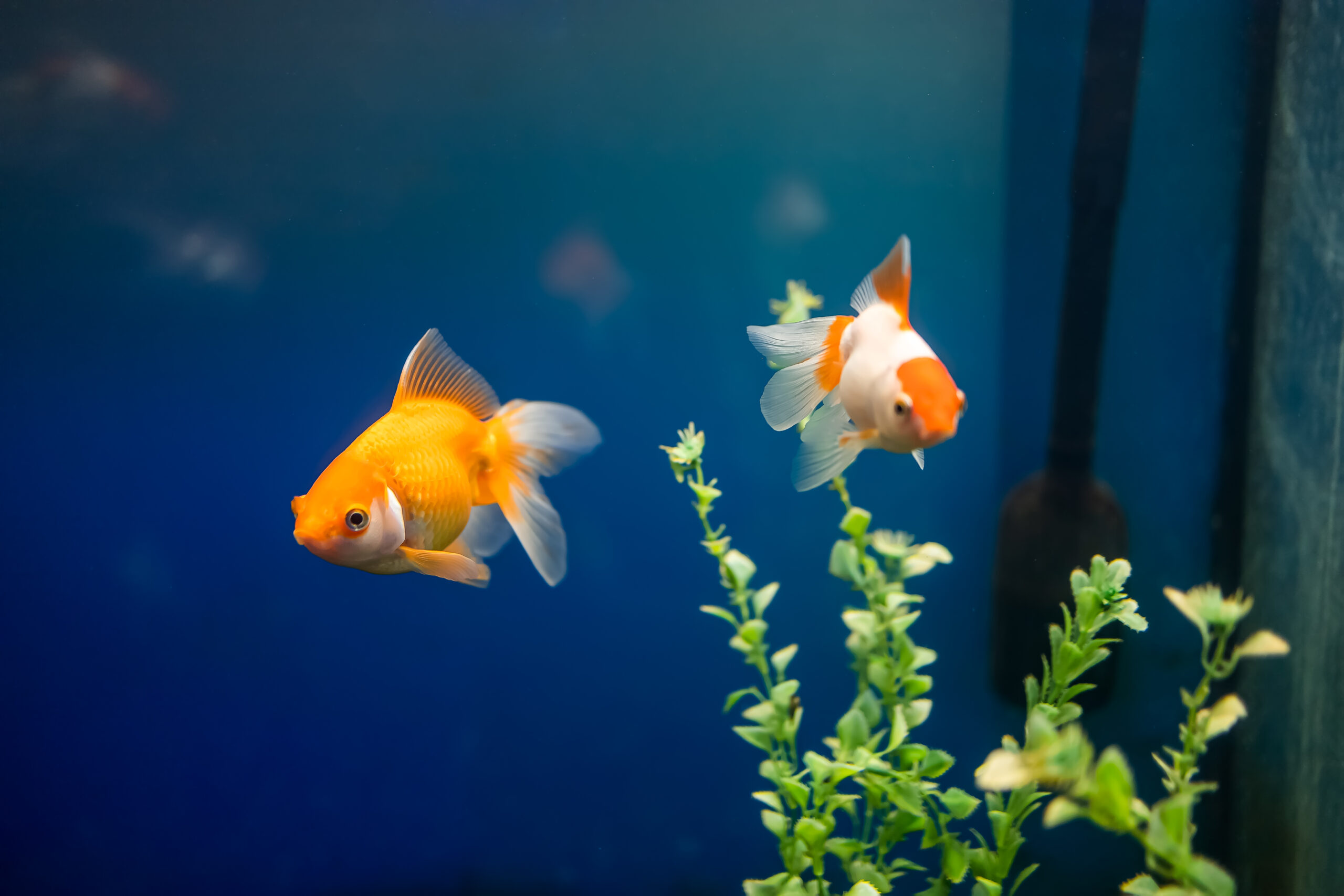
A coldwater aquarium does not normally require a conventional aquarium heater, although the water temperature must still remain suitable and stable. Goldfish are commonly associated with coldwater aquariums, but they need considerably more space and filtration than many people realise. They are active fish that produce a large amount of waste and should not be kept in small bowls.
A tropical freshwater aquarium uses a heater to maintain a stable temperature suitable for tropical species. These aquariums are extremely popular because they can accommodate a wide variety of colourful fish, plants and aquascaping styles. They can range from small community tanks to large displays containing carefully selected species.
A planted aquarium focuses on live aquatic plants as well as fish, shrimp or snails. Some planted tanks are designed as detailed aquascapes using rocks, wood, specialist substrate and carefully arranged plants. They may require enhanced lighting, fertilisers and carbon dioxide injection, depending on the plants selected.
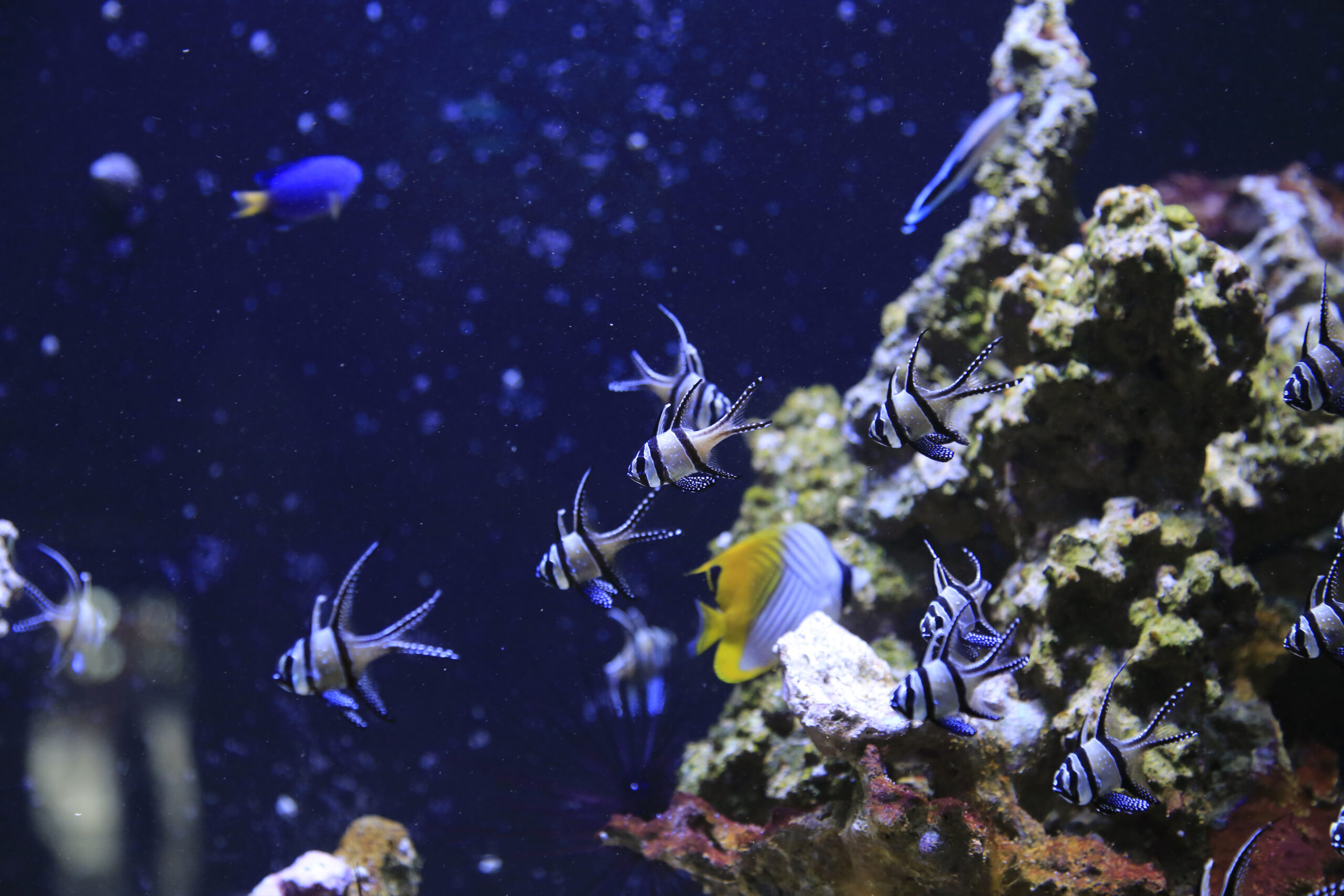
A marine aquarium contains saltwater species such as marine fish, invertebrates and corals. Marine systems can be spectacular, but they generally require more specialist equipment, closer monitoring and a larger budget than basic freshwater aquariums. Beginners can keep marine aquariums successfully, but they should be prepared to research carefully and follow a consistent maintenance routine.
Choose the Livestock Before Choosing the Tank
One of the most common fishkeeping mistakes is buying an aquarium first and deciding what to put in it later. It is much better to research your preferred fish before selecting the tank.
Every species has different requirements. Fish vary in adult size, activity level, temperament, preferred water chemistry and social behaviour. A small fish in an aquatic shop may grow much larger, need to live in a group or require more swimming space than expected.
Some species occupy the upper area of the aquarium, while others prefer the middle or bottom. Some need caves and shaded areas, whereas active schooling fish require open swimming room. Territorial species may need carefully separated areas within the aquascape.
Compatibility must also be considered. Two species may prefer similar temperatures but still be unsuitable tankmates because of aggression, fin-nipping, feeding behaviour or differences in adult size. Small fish can become prey for larger species even when both are described as community fish.
Create a list of the species you are interested in and research their adult requirements. Your final aquarium should be large enough for the fish at maturity, not simply when they are purchased.
Select an Appropriate Aquarium Size
Aquarium size affects water stability, stocking options, equipment requirements and maintenance. Although small aquariums may appear easier to manage, they are often less forgiving than larger tanks.
Waste, uneaten food and other pollutants become concentrated more quickly in a small volume of water. Temperature and water chemistry can also change rapidly. A slightly larger aquarium generally provides more stable conditions, giving the owner more time to recognise and correct a problem.
However, larger aquariums also require more space, stronger support and additional equipment. Water changes involve greater quantities of water, and the overall installation will be heavier and more expensive.
For many beginners, a medium-sized tropical freshwater aquarium can offer a practical balance between stability and manageability. It provides more livestock options than a very small tank without creating the demands associated with a large custom installation.
Avoid choosing a tank purely because it fits on an existing table or piece of household furniture. Most domestic furniture is not designed to support the concentrated weight of an aquarium. Use a purpose-built aquarium cabinet or a professionally assessed support structure.
Understand the Total Weight
Water is extremely heavy. One litre of freshwater weighs approximately one kilogram, and the total installation also includes the glass, cabinet, substrate, rocks, wood and equipment.
A 200-litre aquarium can therefore weigh considerably more than 200 kilograms once fully assembled. A large aquarium may place significant pressure on the floor, particularly when installed upstairs or on a suspended timber structure.
The aquarium must sit on a flat, level and stable base. Uneven support can place stress on the glass and seals. The cabinet should be designed for the tank’s exact dimensions and weight.
Larger installations may require a structural assessment before work begins. This is especially important for built-in aquariums, unusually tall tanks, room dividers and aquariums positioned away from supporting walls.
Thinking about weight early in the planning process protects your property as well as the aquarium.
Find the Best Position in Your Home
The position of an aquarium can affect its appearance, maintenance and temperature stability. Choose a location where it can be enjoyed without being exposed to avoidable environmental changes.
Direct sunlight should generally be avoided. Sunlight can contribute to excessive algae growth and cause the water temperature to fluctuate. A bright room is not necessarily unsuitable, but the aquarium should not receive strong sunlight through a nearby window for extended periods.
Avoid placing the tank immediately beside a radiator, fireplace or frequently opened external door. Rapid temperature changes can stress fish and make it harder for the heater to maintain stable conditions.
The aquarium should be close to suitable electrical sockets, but cables and plugs must be protected from water. A drip loop should be created in each cable so water cannot run directly into a socket. Larger or more advanced systems may need dedicated electrical planning.
Consider access to water and drainage. Carrying buckets through several rooms can make regular maintenance inconvenient. If the aquarium is large, a location closer to a water source may reduce the time and effort required for water changes.
You should also leave enough space around or above the aquarium to open the lid, clean the glass, remove equipment and service the filter. A tank fitted tightly into an alcove may look attractive but become extremely difficult to maintain if access has not been planned.
Consider the Shape of the Aquarium
Rectangular aquariums are popular because they offer good surface area, useful swimming length and practical access. They are also widely compatible with standard cabinets, lighting systems and filters.
Tall aquariums can create a striking visual feature, but height does not always provide the most useful swimming space. Many fish benefit more from horizontal length than vertical depth. Tall tanks can also be difficult to clean and aquascape, particularly if the owner cannot comfortably reach the bottom.
Cube aquariums work well for certain aquascapes and compact installations. However, their shorter swimming length may not suit active schooling fish.
Bow-fronted and curved aquariums can offer an attractive panoramic appearance, although the curved glass may distort the view from some angles. Cleaning tools, lids and replacement lighting may also be more specialised.
Long aquariums are often ideal for active fish because they provide generous swimming room. They can also support more clearly defined territories and create impressive landscape-style aquascapes.
Choose the aquarium shape according to the needs of the livestock, not appearance alone.
Glass or Acrylic Aquarium?
Most home aquariums are manufactured from glass. Glass is durable, resistant to scratching and widely available. It normally provides excellent clarity and is often more affordable for standard-sized aquariums.
Acrylic is lighter than glass and can be manufactured into curved or unusual shapes. It also offers excellent clarity, making it suitable for large bespoke installations. However, acrylic can scratch more easily and requires appropriate cleaning tools.
The best material will depend on the aquarium’s size, shape, location and design. Standard home setups are often well served by glass, while large custom projects may benefit from acrylic construction.
For a bespoke installation, the manufacturer or aquarium designer should specify the correct material and thickness based on the tank’s dimensions and water pressure.
Plan the Filtration Carefully
Filtration is one of the most important parts of any aquarium. A filter helps remove debris, supports beneficial bacteria and maintains safer water conditions.
Mechanical filtration captures particles such as uneaten food and suspended waste. Biological filtration provides a surface on which beneficial bacteria can live. These bacteria convert harmful ammonia and nitrite into less harmful nitrate. Chemical media may also be used for particular purposes, although it is not a substitute for routine maintenance.
Internal filters are compact and can be suitable for smaller aquariums. External canister filters offer greater media capacity and keep much of the equipment outside the display. Hang-on-back filters provide another option for certain tanks, while larger or marine systems may use a sump.
Do not select filtration solely according to the maximum aquarium volume printed on the packaging. Consider the species, stocking level and amount of waste likely to be produced. Goldfish and large cichlids, for example, may require more powerful filtration than a lightly stocked planted aquarium of the same size.
A good filter should be effective, reliable and easy to maintain. Equipment that is awkward to access is more likely to be neglected.
Select Suitable Heating and Temperature Control
Most tropical freshwater aquariums require a heater controlled by a thermostat. The heater must be powerful enough for the aquarium volume and the temperature of the surrounding room.
Temperature should remain stable because sudden changes can stress fish and increase their vulnerability to illness. Place a reliable thermometer where it can be checked easily.
Very large aquariums may use more than one heater. This can distribute warmth more evenly and provide some protection if one unit stops working. Advanced systems may use separate temperature controllers and alarms.
Coldwater aquariums do not always require heating, but this does not mean that temperature can be ignored. Some homes become extremely warm during summer, and prolonged high temperatures can reduce the amount of oxygen available in the water.
Choose livestock suited to the conditions you can maintain throughout the year.
Choose the Right Aquarium Lighting
Aquarium lighting allows you to view the fish and supports plant or coral growth. The required intensity and colour spectrum depend on the type of aquarium.
A fish-only freshwater aquarium may need relatively simple LED lighting. A planted aquarium requires sufficient light for the selected plant species. Low-demand plants can often thrive under moderate lighting, while demanding carpeting or red plants may need a more advanced system.
Reef aquariums require specialist lighting because many corals depend on photosynthetic organisms living within their tissues. The wrong lighting can limit coral growth or cause other problems.
More light is not always better. Excessive lighting can encourage algae, particularly when plant nutrition, carbon dioxide and maintenance are not balanced. Using a timer creates a consistent daily schedule and prevents the lights from being left on for too long.
Lighting should suit the aquarium’s inhabitants rather than being selected only for visual brightness.
Consider the Aquascaping Style
Aquascaping determines how the aquarium looks and how effectively it supports its inhabitants. Common materials include sand, gravel, specialist planted substrate, aquarium-safe rocks, natural wood and live plants.
A natural aquascape can provide hiding places, territorial boundaries and areas for fish to explore. Plants can improve the visual environment and provide shelter, although they also require appropriate lighting and care.
The layout must leave enough open water for swimming. A tank filled with rocks and ornaments may have significantly less usable volume than its stated capacity suggests.
Make sure heavy structures are stable. Rocks should not be able to fall against the glass, and wood should be secured if it is likely to float. Materials collected outdoors should not be placed in an aquarium without confirming that they are safe and suitable.
The aquascape should also allow water to circulate around the tank. Areas with poor flow can collect waste and become difficult to clean.
Decide Between Live and Artificial Plants
Live aquarium plants create a natural appearance and can provide shelter for fish and invertebrates. Healthy plants absorb nutrients and contribute to a balanced aquatic environment.
However, live plants require suitable light, substrate and nutrition. Some species are easy to grow, while others need carbon dioxide injection and careful fertilisation.
Artificial plants are easier to maintain and can be appropriate for aquariums containing fish that damage or uproot live plants. High-quality artificial decorations can produce an attractive display without specialist plant care.
Make sure artificial plants have no sharp edges that could injure delicate fins. They should also be made from aquarium-safe materials.
It is possible to combine simple live plants with artificial elements. Beginners do not need to create a demanding planted aquascape to enjoy the benefits of natural greenery.
Think About Maintenance Before Buying
Every aquarium needs regular maintenance. This normally includes partial water changes, water testing, glass cleaning, filter care and observation of the livestock.
The amount of maintenance depends on tank size, stocking level, feeding, plant growth and filtration. A heavily stocked aquarium may require more frequent water changes, while a planted aquascape may need regular trimming and fertilisation.
Think honestly about how much time you can commit. If you travel frequently or have a demanding schedule, choose a straightforward system or arrange professional aquarium maintenance.
Equipment should be positioned so it can be cleaned or replaced easily. There should be enough room to remove filter components, reach the substrate and trim plants.
An attractive aquarium that is difficult to service may soon become a source of frustration. Maintenance access should be part of the original design.
Understand Aquarium Cycling
A new aquarium is not biologically mature simply because it has been filled with water. Beneficial bacteria must become established before the system can safely process the waste produced by fish.
This process is known as the nitrogen cycle. Fish waste, decaying material and uneaten food release ammonia, which is toxic. Beneficial bacteria convert ammonia into nitrite, which is also harmful, and then into nitrate. Nitrate is generally managed through water changes and plant growth.
Cycling takes time and should be monitored using appropriate water tests. Adding too many fish too quickly can cause dangerous ammonia or nitrite levels.
A professional installer can explain the cycling process, prepare the system correctly and plan a gradual stocking schedule. Patience during the first few weeks can prevent serious livestock losses.
Set a Realistic Budget
The cost of an aquarium extends beyond the glass tank. Your budget should include the cabinet, filter, heater, lighting, substrate, decorations, plants, water treatments, testing equipment, livestock and delivery.
Ongoing costs include electricity, replacement filter media, fish food, fertilisers, water conditioners and maintenance supplies. Marine and advanced planted aquariums usually have higher equipment and operating costs.
It is often better to purchase a slightly smaller, properly equipped aquarium than a large tank with inadequate filtration or lighting. Essential life-support equipment should take priority over decorative accessories.
Allow part of the budget for unexpected needs, replacement equipment and professional support. Aquarium ownership becomes much more enjoyable when its routine expenses have been considered from the beginning.
Avoid Common Aquarium-Buying Mistakes
Buying a tank that is too small for the intended fish is one of the most common mistakes. Always research the adult size and social needs of each species.
Another mistake is purchasing incompatible fish because they look attractive together in a shop. Similar colours or sizes do not guarantee compatible behaviour.
Overstocking a newly established aquarium can overwhelm the biological filter. Livestock should be introduced gradually after the system has been properly cycled.
Placing the aquarium in direct sunlight, on unsuitable furniture or somewhere without maintenance access can also create long-term problems.
Other frequent mistakes include using insufficient filtration, leaving the lights on too long, replacing all filter media at once and cleaning biological media under untreated tap water. Planning and reliable advice can prevent most of these issues.
Is a Bespoke Aquarium Right for Your Home?
A bespoke aquarium may be the best choice when standard dimensions do not suit your room or when you want the aquarium to become part of the interior design.
Custom aquariums can be built into walls, installed within alcoves or used as room dividers. Cabinetry can be designed to match existing furniture and conceal equipment, cables and pipework.
Bespoke installations require detailed planning. The design must account for weight, ventilation, electrical access, filtration and future maintenance. A service opening may need to be incorporated above or behind the aquarium.
Although a custom aquarium requires a larger investment, it can make better use of the available space and create a truly distinctive feature.
Choosing an Aquarium for a Family Home
An aquarium can be a fascinating addition to a family home. It can encourage interest in animals, habitats, water chemistry and responsible care.
However, adults should retain responsibility for feeding, maintenance and equipment checks. Children can participate under supervision, but the welfare of the fish should not depend entirely on a child’s routine.
Choose a secure cabinet and consider a fitted lid to reduce the risk of objects being dropped into the water. Electrical cables, fish food and maintenance products should be kept safely out of reach.
Position the aquarium where it can be enjoyed without creating an obstruction. Avoid narrow corridors and areas where the tank could be knocked during everyday activities.
Should You Arrange Professional Installation?
Professional aquarium installation is particularly valuable for larger tanks, planted aquascapes, marine systems and bespoke projects. It can also help beginners start with suitable equipment and a clear maintenance plan.
An aquarium specialist can assess the available space, recommend an appropriate tank and select equipment based on the intended livestock. They can also install and test the system, arrange the aquascape and explain the cycling process.
Professional support reduces the likelihood of purchasing incompatible components or creating an aquarium that is difficult to maintain. It also provides access to advice if water-quality, equipment or livestock problems develop.
The purpose of professional installation is not simply to place a tank in your home. It is to create a complete aquatic environment designed for stability, practicality and long-term animal welfare.
Choose Your Aquarium with Matthews Aquatic Paradise Ltd
Matthews Aquatic Paradise Ltd provides professional aquarium design, installation, aquascaping, health checks and maintenance for homes and businesses throughout the UK.
Whether you are considering your first tropical aquarium, a natural planted aquascape or a bespoke feature installation, the system can be planned around your space, preferred style, budget and intended livestock.
Careful planning helps ensure that the aquarium’s size, filtration, lighting and layout work together. It also makes future cleaning, equipment servicing and fish care more manageable.
Every home and aquarium project is different, so personalised advice is the best way to choose a suitable system. Matthews Aquatic Paradise Ltd can help you explore the available options and develop a practical aquarium that complements your home.
Visit www.matthewsaquaticparadise.co.uk, email info@matthewsaquaticparadise.co.uk or call 0330 043 6994 to discuss your aquarium design and installation requirements.
Aquarium care requirements vary according to tank size, water chemistry, equipment and livestock. Always research the individual needs of every species and seek qualified aquatic or veterinary advice when required.