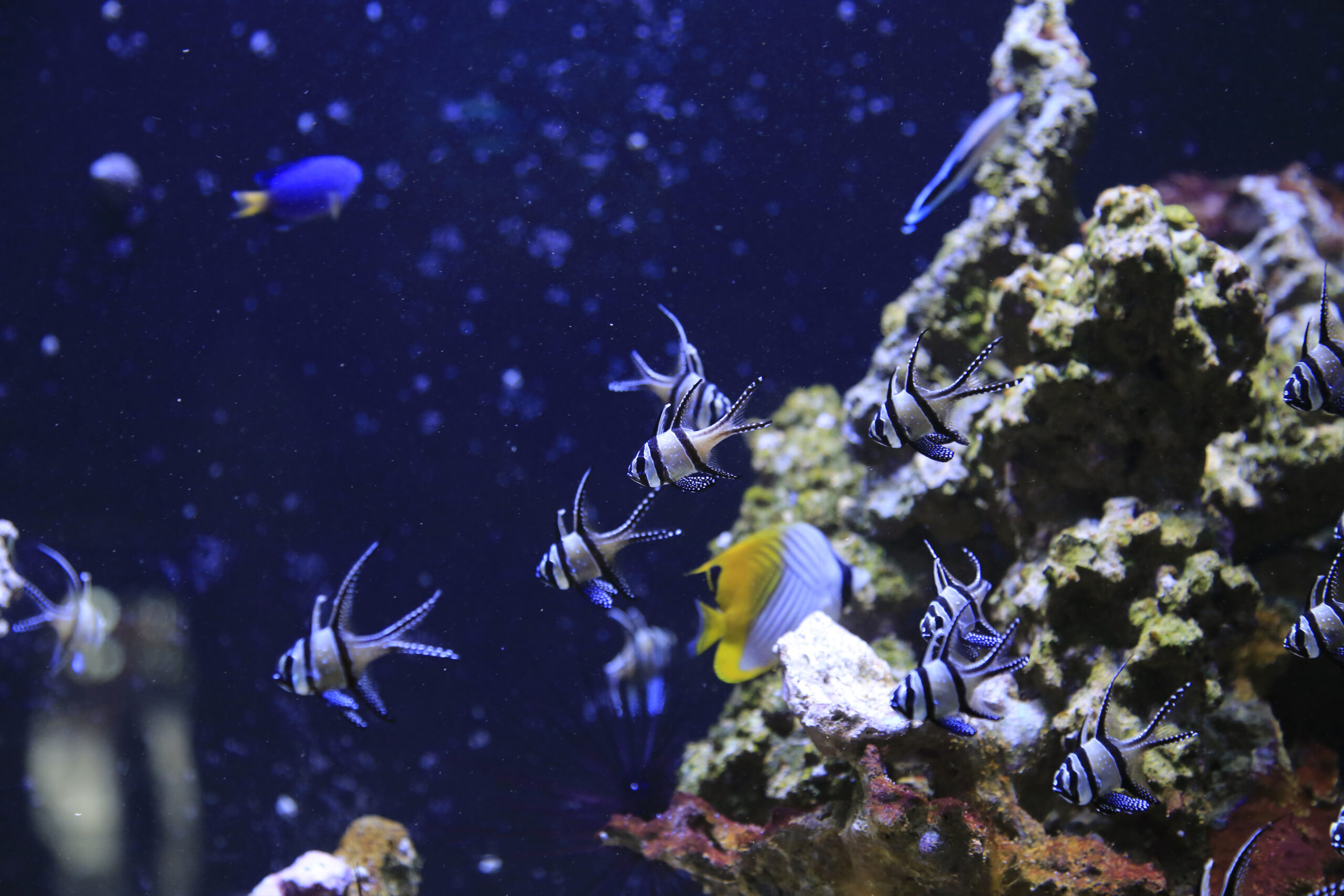

A professionally installed aquarium can become an impressive focal point within a home, office, hotel, restaurant or other commercial space. Whether you are considering a compact tropical aquarium, a natural planted aquascape or a large bespoke display built into a wall, understanding the potential cost is an important part of planning your project.
Professional aquarium installation in the UK can cost anywhere from approximately £500 for a relatively straightforward setup to £20,000 or more for a large custom-built system. Fully bespoke luxury aquariums can exceed £50,000 when specialist construction, advanced filtration, custom cabinetry, marine livestock or significant building work is required. Recent UK industry guides place general custom installations between £500 and £20,000+, while bespoke projects are often quoted from around £5,000 to £50,000+. These figures should be treated as broad market estimates because every installation is different. MyBuilder’s UK aquarium installation guide and Luxe Aquatics’ bespoke aquarium cost guide illustrate just how widely project prices can vary.
The final cost depends on much more than the price of the glass tank. Aquarium size, water type, filtration, lighting, cabinetry, aquascaping materials, livestock, accessibility and ongoing maintenance must all be considered. A professional quotation should account for the complete system and its long-term operation, rather than focusing only on the aquarium itself.
Average Professional Aquarium Installation Costs
A small, straightforward freshwater aquarium using a standard tank and cabinet may cost approximately £500 to £2,000 when professionally supplied and installed. This type of project might include the aquarium, cabinet, filter, heater, lighting, substrate, decorations, water preparation and initial setup. Fish and plants may be introduced later once the aquarium has completed its biological cycling process.
A more advanced freshwater aquarium or planted aquascape may cost between £2,000 and £5,000. These installations often use higher-quality lighting, external filtration, specialist aquascaping substrate, natural stone, aquarium-safe wood, live plants and carbon dioxide equipment. Additional labour is required to plan and construct a natural-looking layout that will remain practical to maintain.
Medium-sized bespoke aquariums commonly fall within the region of £5,000 to £15,000. A project in this range may include custom tank dimensions, made-to-measure cabinetry, concealed equipment, premium lighting, automated controls and a carefully designed aquascape. A recent UK guide similarly estimates smaller bespoke installations at approximately £2,000 to £5,000, medium projects at £5,000 to £15,000 and larger systems from £15,000 upwards. Aquarium Connections’ bespoke aquarium guide provides comparable indicative bands.
Large feature aquariums, built-in displays, room dividers and sophisticated marine systems may cost £15,000 to £50,000 or more. These projects can require structural assessment, specialist transportation, reinforced supports, custom plumbing, sump filtration, automated water management and coordination with builders, electricians or interior designers.
These are general estimates rather than fixed prices. The only reliable way to establish the cost of your aquarium is to request a personalised quotation based on its dimensions, location, intended livestock and design requirements.
What Is Included in Professional Aquarium Installation?
The scope of a professional installation varies between providers, so it is important to understand exactly what is included in a quotation. A complete service may begin with a consultation to discuss your available space, preferred appearance, intended fish and realistic budget.
The installer may assess the proposed location, take measurements and determine whether the floor can safely support the filled aquarium. They may also evaluate access to electrical sockets, water supplies and drainage. Larger projects can require a formal site survey and input from other qualified professionals.
The aquarium and cabinet are then selected or designed to fit the space. The installer will recommend suitable filtration, heating, lighting and circulation equipment based on the aquarium’s volume and livestock requirements. Substrate, rocks, wood, plants and decorations may be included as part of the aquascaping service.
Professional installation normally covers delivery, positioning, equipment assembly, leak testing and system setup. Water may be treated or prepared to create suitable conditions for the intended aquarium. The installer should also explain how the system works, how frequently it needs attention and which water parameters should be monitored.
Livestock is not always included in the initial installation price. In many cases, fish should not be added immediately because the aquarium needs time to establish beneficial bacteria. This is known as cycling. A responsible installer will plan livestock introduction carefully instead of filling a new aquarium with fish before the biological filtration is ready.
Aquarium Size and Its Effect on Cost
Aquarium size is one of the most significant pricing factors, but cost does not increase solely according to water volume. Larger aquariums require thicker glass or acrylic, stronger support, more powerful equipment and additional labour.
A litre of freshwater weighs approximately one kilogram before the weight of the aquarium, cabinet, substrate, rocks and equipment is added. A 500-litre aquarium can therefore become an extremely heavy installation. Its position and supporting structure must be considered carefully.
Unusual proportions can also increase the cost. Extra-tall aquariums require thicker materials and can be more difficult to clean. Very long aquariums may need additional strengthening and specialist transportation. Curved, cylindrical or irregular designs generally cost more than conventional rectangular tanks because they require custom manufacturing.
A larger aquarium may offer greater stability once properly established, but it will require more water, substrate, decoration and filtration. It may also consume more electricity and take longer to maintain. Choosing the largest aquarium that fits into a room is not always the most practical decision. The system should suit the space, budget, lifestyle and level of ongoing care available.
Standard Aquarium or Bespoke Aquarium?
A standard aquarium is normally the most economical option. It is produced in common dimensions and can often be paired with a matching manufacturer’s cabinet. Replacement parts and compatible accessories may also be easier to obtain.
A bespoke aquarium is manufactured according to the exact requirements of the project. It may be designed to fit into an alcove, sit between two rooms, form part of a media wall or complement existing furniture. The cabinetry can be finished in a colour and material that coordinates with the surrounding interior.
Customisation increases the price because the tank, support, cabinet and equipment layout may need to be designed individually. However, a bespoke system can make better use of the available space and conceal filters, cables and pipework more effectively.
A customised installation is particularly valuable when the aquarium forms part of a larger interior design. The objective is not simply to place a fish tank in a room but to create an integrated aquatic feature that looks intentional and professionally finished.
Freshwater, Planted or Marine Aquarium?
Freshwater aquariums are generally less expensive to install than marine systems. A basic tropical setup normally requires a tank, filter, heater, lighting, substrate and appropriate water treatments. Coldwater systems may not need a heater, although adequate filtration and temperature management remain essential.
Planted freshwater aquariums can cost more because healthy plant growth may require specialist lighting, nutrient-rich substrate, fertilisers and carbon dioxide injection. The aquascape may also use carefully selected rocks and wood arranged to create depth, balance and natural structure.
Marine and reef aquariums tend to require a larger budget. In addition to the display tank, they may need a sump, protein skimmer, circulation pumps, specialist reef lighting, automatic top-up system and equipment for producing purified water. Marine salt, testing equipment, live rock, corals and livestock add to the overall investment.
Marine aquariums also demand close control of salinity and water chemistry. The installation must be designed so that equipment can be inspected, cleaned and replaced without unnecessary disruption. Saving money by underspecifying filtration or restricting access can create much higher costs later.
Equipment and Filtration Costs
Filtration is fundamental to the health of an aquarium. A professionally designed system should provide sufficient mechanical, biological and, where appropriate, chemical filtration for the intended livestock.
Small aquariums may use an internal or hang-on filter, while larger freshwater systems often benefit from an external canister filter. Custom and marine aquariums may use a sump housed inside the cabinet or in a separate service area.
Premium filters can cost more initially but may provide quieter operation, improved reliability and easier maintenance. The installer should consider not only the advertised aquarium capacity but also the expected fish population and quantity of waste produced.
Heating equipment must be sized correctly and may require backup or temperature-control systems for valuable livestock. Lighting costs vary substantially depending on whether the aquarium contains artificial decorations, live freshwater plants or photosynthetic corals.
Optional equipment can include automatic feeders, dosing pumps, ultraviolet sterilisers, carbon dioxide systems, leak detectors, water-level sensors and remote monitoring. These features increase the initial investment but may improve stability, convenience and protection.
Aquascaping Materials and Labour
Aquascaping is the creative process of arranging substrate, rocks, wood and plants inside the aquarium. A simple decorative layout may be completed relatively quickly, while a detailed planted aquascape can require extensive planning and specialist skill.
Natural stone and wood are normally priced according to type and quantity. Larger aquariums may require a substantial volume of material to create a convincing layout. Premium aquarium plants and tissue-cultured plants can also make up a significant part of the budget.
The installer must make sure that materials are suitable for aquarium use, stable underwater and compatible with the required water chemistry. Heavy rocks must be positioned securely to prevent movement and protect the glass.
Professional aquascaping labour should not be viewed as simply arranging decorations. The layout must provide suitable territories, hiding places and swimming areas while allowing water circulation and maintenance access. A visually attractive design that cannot be cleaned properly may quickly become difficult to manage.
Cabinetry, Plumbing and Building Work
Custom cabinetry can represent a significant portion of the installation cost. The cabinet must safely support the aquarium and withstand the humid conditions created by filters and pipework. Decorative panels may also need to be removable so that equipment remains accessible.
Built-in and wall-mounted installations may require carpentry, plastering, flooring alterations, electrical work or plumbing. These services might be included within a complete project quotation or charged separately by other contractors.
A structural assessment may be recommended for particularly large systems or installations on suspended floors. Electrical work should be completed safely, with sockets positioned away from possible splashing and sufficient capacity for pumps, heaters, lighting and controllers.
Automatic water-change systems can reduce routine labour, but they require access to a water supply and suitable drainage. Marine installations may also need space for a reverse-osmosis water unit and storage containers.
Delivery and Site Access
Aquariums are heavy, fragile and difficult to manoeuvre. Delivery charges will depend on the size of the tank, the distance travelled and the number of people required to move it safely.
Restricted access can increase the cost. Narrow staircases, small doorways, upper-floor locations and properties without convenient parking may require additional planning. Very large aquariums might need specialist lifting equipment or temporary removal of windows or doors.
Providing accurate measurements, photographs and access information during the quotation stage helps prevent unexpected complications. A professional installer should assess how every component will reach its final position before manufacturing or ordering the aquarium.
Fish, Plants and Other Livestock
The cost of livestock varies enormously. Common community fish may be relatively affordable, while rare species, mature specimens and premium corals can be considerably more expensive.
Livestock selection should be based on compatibility, adult size, behaviour and water requirements. An inexpensive juvenile fish may eventually outgrow the aquarium or become unsuitable for its tankmates.
It is often better to introduce livestock gradually. This allows the filtration system to adjust and gives the owner time to observe the aquarium. The cost of stocking can therefore be spread across several weeks or months rather than included entirely within the initial installation.
Ongoing Maintenance and Running Costs
The initial installation is only one part of the total cost of aquarium ownership. Electricity, replacement filter media, water treatments, fish food, fertilisers, testing supplies and livestock care must all be considered.
Running costs depend on aquarium size and equipment efficiency. Heaters, filters and circulation pumps usually operate continuously, while lighting follows a timed daily schedule. Marine systems with powerful lighting, multiple pumps and temperature-control equipment generally cost more to operate than basic freshwater aquariums.
Professional maintenance may be arranged weekly, fortnightly, monthly or as required. A typical visit may include water testing, partial water changes, glass cleaning, substrate care, plant trimming, equipment inspection and a fish health assessment.
Regular maintenance can prevent small problems from developing into major failures. It also protects the appearance and value of the original installation. When comparing quotations, ask whether aftercare, follow-up visits or maintenance packages are available.
Is Professional Aquarium Installation Worth the Cost?
Professional installation can be a worthwhile investment for anyone who wants a reliable, attractive aquarium without relying on trial and error. An experienced installer can match the equipment to the aquarium, plan for future maintenance and help avoid unsuitable livestock combinations.
Poorly planned systems can lead to persistent algae, unstable water conditions, equipment failure and avoidable fish losses. Correcting these problems can cost more than designing the aquarium properly from the beginning.
Professional support is particularly valuable for large, bespoke, planted and marine aquariums. It is also useful for commercial clients who need their display to remain presentable and cannot dedicate staff time to specialist aquarium care.
The aim should be to create an aquarium that is not only impressive on installation day but also practical, healthy and enjoyable for many years.
How to Get an Accurate Aquarium Installation Quote
Before requesting a quotation, consider where you want the aquarium, its approximate size and the style you prefer. Decide whether you are interested in tropical freshwater fish, a planted aquascape, coldwater species or a marine display.
It is also helpful to establish a realistic overall budget. A professional designer can then recommend the most suitable combination of aquarium, equipment and finishes without proposing a system that is unnecessarily complicated.
Provide photographs and measurements of the intended location, together with information about stairs, doorways and parking. If the aquarium is part of a renovation or new development, involve the aquarium specialist early so that electrical supplies, plumbing and structural support can be planned properly.
Ask for a detailed quotation explaining what is included. This should identify the aquarium, cabinet, equipment, aquascaping, delivery, installation and any aftercare. Confirm whether fish, plants, commissioning visits and ongoing maintenance are included or priced separately.
Professional Aquarium Installation from Matthews Aquatic Paradise Ltd
Matthews Aquatic Paradise Ltd provides professional aquarium design, installation, aquascaping and maintenance for homes and businesses throughout the UK. Every project can be planned around the available space, preferred appearance, intended livestock and long-term maintenance requirements.
From freshwater planted displays to bespoke feature aquariums, careful planning helps ensure that every part of the system works together. Tank dimensions, filtration, lighting, heating, aquascaping materials and livestock requirements should all be considered before installation begins.
Because every aquarium project is different, an individual quotation is the best way to receive accurate pricing. Matthews Aquatic Paradise Ltd can discuss your ideas, evaluate your requirements and recommend a practical solution that reflects your space and budget.
To begin planning your aquarium installation, visit www.matthewsaquaticparadise.co.uk, email info@matthewsaquaticparadise.co.uk or call 0330 043 6994.
Prices mentioned in this article are broad UK market estimates for general guidance and do not represent a fixed quotation from Matthews Aquatic Paradise Ltd. Final costs depend on the design, specification, location, access requirements and services selected.