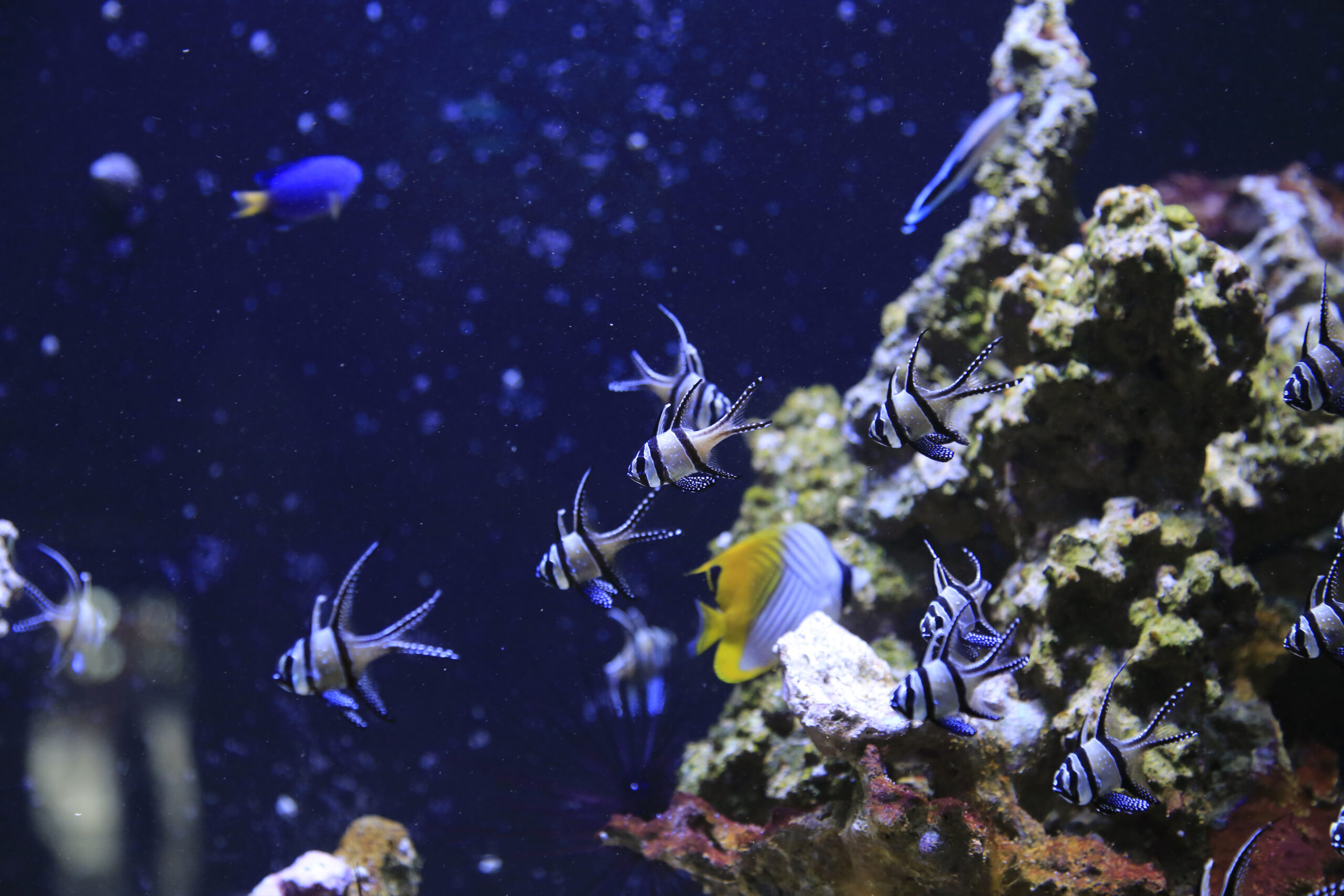

Regular aquarium maintenance is the foundation of successful fishkeeping. Whether you own a small tropical aquarium, a heavily planted aquascape, or a large community tank, consistent care helps maintain excellent water quality, supports healthy fish and plants, and keeps your aquarium looking its best.
Many aquarium problems, including algae outbreaks, poor water quality, and fish illness, can often be prevented through routine maintenance rather than expensive treatments. By following a simple schedule and paying attention to your aquarium’s needs, you can create a stable environment where aquatic life thrives.
Why Aquarium Maintenance Is Important
An aquarium is a closed ecosystem where fish produce waste, plants consume nutrients, and beneficial bacteria help break down harmful compounds. Without regular maintenance, organic waste builds up, water quality declines, and fish may become stressed or susceptible to disease.
Routine care helps:
- Maintain stable water parameters.
- Remove excess waste and debris.
- Reduce algae growth.
- Support healthy biological filtration.
- Promote strong plant growth.
- Extend the life of aquarium equipment.
- Create a safer environment for fish and invertebrates.
Consistency is often more important than intensive cleaning carried out only occasionally.
Establishing a Maintenance Schedule
Creating a regular routine makes aquarium care straightforward and prevents small issues from becoming major problems. Most freshwater aquariums benefit from weekly attention, with additional monthly checks for equipment and long-term upkeep.
A simple schedule may include:
- Weekly partial water changes.
- Cleaning the aquarium glass.
- Removing dead plant leaves.
- Testing key water parameters.
- Vacuuming debris from the substrate.
- Inspecting fish for signs of illness.
- Checking heaters and filters are operating correctly.
Larger tasks, such as trimming plants or servicing filter components, can often be performed monthly or as required.
Performing Water Changes
Partial water changes are one of the most effective ways to maintain excellent water quality. Replacing around 20–30% of the aquarium water each week helps dilute nitrates, remove dissolved waste, and replenish important minerals.
Always prepare replacement water carefully by matching temperature as closely as possible and using an appropriate water conditioner if required for your local supply.
Avoid changing all of the water at once, as sudden environmental shifts can stress fish and disrupt the biological balance.
Cleaning the Substrate
Fish waste, uneaten food, and decaying plant material gradually accumulate within gravel or sand. Removing this debris helps prevent nutrient build-up and maintains a healthier environment.
A gravel vacuum or siphon can be used during water changes to lift waste without removing excessive substrate. In planted aquariums, take care around root systems to avoid disturbing established plants.
Regular cleaning keeps the aquarium looking tidy while supporting good water quality.
Maintaining the Filter
The filter houses beneficial bacteria that convert harmful ammonia into less toxic compounds, making it one of the most important pieces of aquarium equipment.
Mechanical filter media should be cleaned periodically using water removed from the aquarium rather than untreated tap water, helping preserve the bacterial colonies responsible for biological filtration.
Avoid replacing all filter media simultaneously unless specifically required, as doing so may reduce biological stability.
Looking After Aquarium Plants
Healthy aquatic plants contribute significantly to aquarium stability. Regular trimming prevents excessive growth, improves light penetration, and encourages bushier development.
Remove yellowing or damaged leaves promptly to prevent unnecessary decomposition. Fertilisation and lighting schedules should remain consistent to support healthy growth while discouraging nuisance algae.
Well-maintained plants enhance both the appearance and ecological balance of the aquarium.
Monitoring Water Parameters
Routine testing provides valuable insight into aquarium health. Key measurements include:
- Ammonia.
- Nitrite.
- Nitrate.
- pH.
- Temperature.
Ammonia and nitrite should remain at zero in a mature aquarium, while nitrate should be controlled through water changes and healthy plant growth.
Recording results over time can help identify trends before they become significant problems.
Feeding Responsibly
Overfeeding is one of the most common causes of declining water quality. Fish should receive only as much food as they can consume within a few minutes, with uneaten portions removed promptly if necessary.
Offering a varied diet suited to the species being kept supports health, colouration, and natural behaviour without creating unnecessary waste.
Regular observation during feeding also provides an opportunity to monitor fish condition.
Managing Algae
A small amount of algae is perfectly normal in most aquariums, but excessive growth often indicates an imbalance.
Maintaining regular water changes, avoiding overfeeding, controlling lighting duration, and encouraging healthy plant growth all help reduce algae naturally.
Manual removal during maintenance sessions prevents algae from overwhelming decorations or obscuring viewing panels.
Addressing the underlying cause is generally more effective than relying on chemical treatments alone.
Inspecting Fish Health
Daily observation is one of the easiest ways to detect developing problems. Healthy fish should display normal swimming behaviour, clear eyes, intact fins, and a strong appetite.
Signs that warrant closer investigation include:
- Rapid breathing.
- Clamped fins.
- White spots or fuzzy patches.
- Loss of colour.
- Unusual swimming patterns.
- Refusal to eat.
- Isolation from other fish.
Prompt action often improves the chances of successful treatment if illness develops.
Cleaning Aquarium Glass
Algae and mineral deposits gradually accumulate on viewing panels. Cleaning the glass regularly improves visibility and keeps the aquarium looking attractive.
Aquarium-safe algae pads or magnetic cleaners can remove light growth, while more stubborn deposits may require specialised scrapers designed for aquarium use.
Avoid household cleaning products, as even small residues may be harmful to aquatic life.
Caring for Decorations
Driftwood, rocks, and ornaments naturally collect algae and biofilm over time. Gentle cleaning during routine maintenance can restore their appearance without removing beneficial microorganisms entirely.
If decorations need to be removed, rinse them with aquarium water or clean water only. Avoid soaps, detergents, or chemical cleaners.
Natural weathering often enhances the appearance of decorative materials within planted aquariums.
Equipment Checks
Reliable equipment is essential for maintaining stable conditions. During maintenance sessions, inspect heaters, filters, air pumps, lighting systems, and timers for proper operation.
Watch for unusual noises, reduced water flow, damaged cables, or inconsistent temperatures. Addressing equipment issues early can prevent larger problems and protect aquarium inhabitants.
Keeping spare consumables on hand can also reduce downtime if maintenance is required.
Seasonal Maintenance Considerations
Changes in room temperature throughout the year may affect aquarium stability. During colder months, heaters may work harder to maintain target temperatures, while warmer weather can increase evaporation and water temperature.
Adjust maintenance routines accordingly and monitor conditions more closely during seasonal transitions.
Maintaining stable environmental conditions supports healthier fish and plants year-round.
Common Maintenance Mistakes
Many aquarium issues result from avoidable errors rather than equipment failure.
Common mistakes include:
- Skipping regular water changes.
- Cleaning the filter with chlorinated tap water.
- Replacing all filter media at once.
- Overfeeding fish.
- Overstocking the aquarium.
- Ignoring water testing.
- Making sudden changes to temperature or chemistry.
- Neglecting equipment inspections.
Developing a consistent routine helps minimise these risks.
Building Good Habits
The most successful aquarists view maintenance as an ongoing process rather than an occasional task. Spending a small amount of time each week observing the aquarium, cleaning key areas, and checking equipment often prevents larger issues from developing.
Keeping notes on maintenance dates, water tests, and livestock additions can also provide useful reference points for future troubleshooting.
The Benefits of Professional Maintenance
For busy households, offices, restaurants, and commercial spaces, professional aquarium maintenance services can ensure tanks remain healthy and visually impressive without demanding significant time from the owner.
Routine servicing may include water changes, equipment inspections, algae removal, plant trimming, water testing, livestock assessments, and general cleaning. Professional care can be particularly valuable for larger aquariums or complex planted displays.
Final Thoughts
Proper aquarium maintenance is the key to long-term success in freshwater fishkeeping. By carrying out regular water changes, monitoring water quality, maintaining equipment, and observing your fish closely, you create a stable environment where aquatic life can flourish.
With patience and consistency, routine maintenance becomes a simple habit rather than a chore. The reward is a clean, healthy, and attractive aquarium that provides enjoyment every day while supporting thriving fish, vibrant plants, and a balanced underwater ecosystem.