
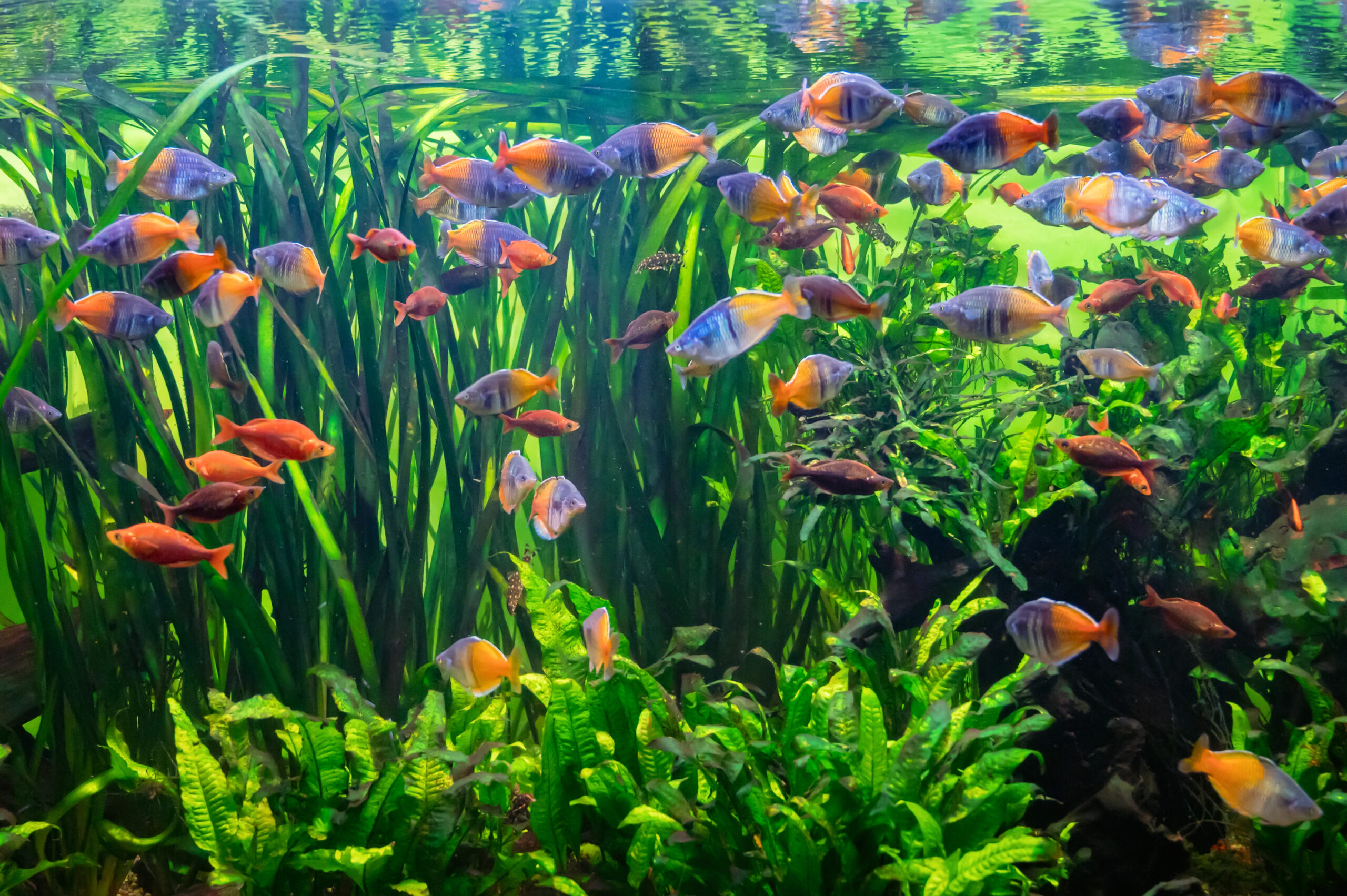
A community aquarium is one of the most rewarding ways to enjoy the fishkeeping hobby. By carefully selecting compatible species, you can create a vibrant underwater environment filled with colour, movement, and natural behaviours. A well-planned community tank allows different fish to occupy various levels of the aquarium while living together peacefully, making it an ideal choice for both beginners and experienced aquarists.
The key to success is understanding the needs of each species and providing an environment where they can thrive. From water quality and aquarium size to feeding and maintenance, every decision plays a role in creating a healthy and harmonious ecosystem.
What Is a Community Aquarium?
A community aquarium contains multiple peaceful fish species that share similar water requirements and temperaments. Instead of focusing on a single species, community tanks combine fish that naturally complement one another in terms of size, behaviour, and activity levels.
These aquariums often include fish that swim near the surface, others that occupy the middle of the water column, and bottom-dwelling species that forage along the substrate. This creates a lively display with activity throughout the entire aquarium.
Why Choose Community Fish?
Community fish are popular because they are generally easy to care for and can be kept in a wide variety of aquarium sizes. Many species are brightly coloured, active during the day, and display fascinating social behaviours when kept in groups.
A balanced community aquarium offers several benefits:
- A diverse and colourful display.
- Interesting interactions between compatible species.
- Opportunities to keep schooling fish.
- Suitable options for beginners.
- Flexibility when expanding or redesigning the aquarium.
- Compatibility with many live plants and aquascapes.
When stocked responsibly, community tanks can remain stable and enjoyable for many years.
Planning Before Buying Fish
The most common mistake new aquarists make is purchasing fish without researching their adult size or compatibility. Fish that appear peaceful in the shop may become territorial as they mature or require significantly different water conditions.
Before adding livestock, decide how many fish your aquarium can comfortably support and ensure your filtration system is appropriate for the intended stocking level.
Planning ahead reduces stress on both the fish and the aquarist while helping avoid future compatibility issues.
Selecting Compatible Species
Successful community aquariums combine fish with similar environmental needs. Temperature, pH, swimming behaviour, feeding habits, and adult size should all be considered.
Peaceful species are generally the safest choice, while highly aggressive or fin-nipping fish should be avoided unless housed in specialised setups.
Introducing fish gradually also allows the biological filter to adapt to increasing waste production.
Fish for the Upper Levels
Surface-dwelling fish add activity to the top of the aquarium and create balance within the display.
Many small livebearers and peaceful schooling species occupy this region naturally, making use of floating plants and open swimming areas. Providing adequate surface space ensures these fish remain active and comfortable.
Floating vegetation can also help reduce stress by creating shaded areas.
Midwater Schooling Fish
The middle section of the aquarium is often occupied by shoaling fish that display their best colours and behaviours when kept in groups.
Maintaining schools of six or more individuals encourages natural interactions and can reduce stress. Watching coordinated swimming patterns is one of the highlights of a well-established community aquarium.
Providing open swimming areas alongside planted sections allows these fish to explore confidently.
Bottom-Dwelling Species
The lower portion of the aquarium can be populated by peaceful scavengers and substrate-dwelling fish that help create activity throughout the tank.
These species often spend their time searching for food among rocks, wood, and plants. While they may consume uneaten food, they should still receive a complete and balanced diet rather than relying on leftovers alone.
Smooth substrates and hiding places contribute to their comfort and wellbeing.
Aquarium Size Matters
Larger aquariums generally provide greater stability and more opportunities for compatible stocking combinations. They also offer additional swimming space and reduce territorial disputes.
While smaller tanks can house carefully selected community fish, overcrowding should always be avoided. Every species should have sufficient room to display its natural behaviour without constant competition for territory.
Researching adult sizes before purchase helps prevent future problems.
The Importance of Aquascaping
Plants, rocks, driftwood, and carefully arranged décor play an important role in community aquariums. These features create visual barriers, provide shelter, and reduce stress by giving fish places to retreat.
A combination of open swimming areas and densely planted sections often produces the most natural appearance while supporting the behavioural needs of different species.
Aquascaping also enhances the overall aesthetics of the aquarium.
Water Quality and Stability
Excellent water quality is essential for every successful community aquarium. Fish rely on stable conditions, and even hardy species can become stressed if ammonia or nitrite levels rise.
Regular testing and routine water changes help maintain a healthy environment. Consistency is usually more important than making frequent adjustments in pursuit of ideal numbers.
Proper filtration and avoiding overstocking make maintaining water quality much easier.
Feeding a Mixed Community
Different fish feed at different levels within the aquarium, so offering a varied diet ensures that every species receives appropriate nutrition.
Floating foods suit surface feeders, while sinking pellets and wafers reach bottom-dwelling species. Frozen and live foods can provide enrichment and encourage natural feeding behaviours.
Avoid overfeeding, as uneaten food quickly affects water quality and encourages algae growth.
Compatible Live Plants
Many community fish thrive in planted aquariums where vegetation provides shelter and security. Live plants also improve water quality by absorbing nutrients and creating a more natural environment.
Hardy species are particularly suitable for beginners and can tolerate a range of aquarium conditions while requiring relatively modest maintenance.
A well-planted aquarium often appears calmer and encourages fish to display more confident behaviour.
Introducing New Fish
Whenever possible, add fish in stages rather than stocking the aquarium all at once. Gradual introductions reduce pressure on the biological filter and make it easier to monitor for health issues.
Acclimate new arrivals carefully to minimise stress and observe them closely during the first few days after introduction.
Quarantine procedures can further reduce the risk of introducing disease into an established aquarium.
Common Mistakes to Avoid
Many problems in community aquariums arise from simple planning errors.
Common mistakes include:
- Overstocking the aquarium.
- Mixing aggressive and peaceful species.
- Keeping schooling fish in groups that are too small.
- Ignoring adult size when purchasing juveniles.
- Skipping regular water changes.
- Overfeeding.
- Adding fish before the aquarium has fully cycled.
- Making sudden changes to water conditions.
Avoiding these pitfalls greatly increases the likelihood of long-term success.
Routine Maintenance
Weekly maintenance should include partial water changes, cleaning algae from the glass, removing debris from the substrate, checking equipment, and observing fish for signs of illness or unusual behaviour.
Filter maintenance should be carried out carefully to preserve beneficial bacteria that support the aquarium’s biological balance.
A consistent routine keeps both fish and plants in excellent condition.
Creating a Balanced Display
An attractive community aquarium balances colours, swimming patterns, and activity levels without becoming overcrowded. Combining small schooling fish with peaceful bottom dwellers and carefully selected centrepiece species can create a visually engaging display that remains harmonious.
Leave sufficient open space for swimming while using plants and décor to break up sightlines and provide natural shelter.
Thoughtful planning often produces better results than simply adding more fish.
Long-Term Enjoyment
One of the greatest pleasures of keeping community fish is watching the aquarium mature over time. Plants establish themselves, fish become more confident, and natural behaviours emerge as the ecosystem stabilises.
Regular observation allows you to appreciate subtle interactions and identify potential problems early, ensuring the aquarium remains healthy and enjoyable for years to come.
Final Thoughts
A freshwater community aquarium combines beauty, diversity, and fascinating behaviour in a single display. By selecting compatible species, maintaining excellent water quality, and providing a thoughtfully designed environment, you can create a peaceful aquatic ecosystem that is both easy to enjoy and rewarding to maintain.
Patience, research, and consistency are the foundations of success. Whether you are setting up your first tank or refining an established aquarium, a carefully planned community setup can become the centrepiece of your home and a source of enjoyment every day.


One Response
always i used to read smaller posts which also clear their motive, and that is also happening with this paragraph which I am reading at this time.