Aquascaping is the art of creating stunning underwater landscapes by combining aquatic plants, rocks, driftwood, substrate, and carefully chosen fish into a harmonious design. A well-planned aquascape can transform an ordinary aquarium into a living work of art, bringing the beauty of nature into your home or workplace.
Whether you are setting up your first planted tank or looking to redesign an existing aquarium, there are countless styles and ideas to explore. The key to a successful aquascape is balancing creativity with practicality, ensuring that the layout not only looks impressive but also provides a healthy environment for aquatic life.
Nature-Inspired Aquascapes
One of the most popular approaches is the nature-inspired aquascape, which seeks to recreate scenes found in rivers, forests, and mountain landscapes. By carefully arranging driftwood, stones, and live plants, you can create the impression of a miniature natural ecosystem beneath the water’s surface.
Gentle slopes, winding pathways of sand, and clusters of greenery help produce depth and realism. Fish swimming through these carefully designed spaces enhance the illusion of a living landscape.
Minimalist Rock Layouts
Minimalist aquascapes focus on simplicity and clean lines. A small number of carefully selected rocks arranged on an open substrate can create a striking visual effect without overcrowding the aquarium.
This style often relies on subtle plantings and negative space to draw attention to the hardscape. It is particularly effective in modern interiors where understated elegance complements contemporary décor.
Driftwood Centrepiece Designs
Large pieces of twisted driftwood can become dramatic focal points within an aquarium. Branching wood structures mimic submerged tree roots and create natural hiding places for fish while providing attachment points for plants such as Java Fern, Anubias, and mosses.
Combining driftwood with darker substrates and strategically placed rocks produces a mature, woodland-inspired appearance that continues to improve as plants grow and develop.
Carpet Plant Layouts
A lush green carpet covering the aquarium floor creates an impressive visual impact and gives the impression of rolling underwater meadows. Low-growing plants spread across the substrate, producing a soft and uniform foreground that contrasts beautifully with taller background vegetation.
Maintaining a healthy carpet typically requires suitable lighting, stable water conditions, and consistent care, but the finished effect is often worth the effort.
Island Aquascapes
An island layout concentrates rocks, wood, and plants into one or more raised areas surrounded by open substrate. This approach naturally draws the eye toward the centre of the aquarium while providing swimming space around the edges.
The use of height and carefully layered planting helps create perspective, making even modest-sized aquariums appear larger and more dynamic.
Valley and Canyon Layouts
Valley-style aquascapes use elevated hardscape and planting on both sides of the aquarium while leaving an open path through the middle. The resulting design creates the illusion of distance and invites viewers to look deeper into the landscape.
Using progressively smaller rocks and plants towards the rear of the aquarium can enhance this sense of scale and depth.
Jungle Aquascapes
For those who enjoy dense vegetation, a jungle aquascape embraces abundant plant growth and a more natural appearance. Tall stems, broad-leaf plants, floating vegetation, and moss-covered wood combine to create a thriving underwater forest.
This style provides excellent shelter for fish and invertebrates while offering endless opportunities for trimming and shaping as the layout matures.
Biotope-Inspired Displays
A biotope aquascape attempts to replicate the natural habitat of a particular region or river system. The décor, plants, substrate, and fish species are chosen to reflect conditions found in the wild, creating an authentic and educational display.
These aquariums often prioritise ecological accuracy over artistic arrangement while still delivering remarkable visual appeal.
Iwagumi-Inspired Layouts
Inspired by traditional Japanese design principles, Iwagumi aquascapes feature carefully positioned stones as the dominant visual elements. The arrangement follows principles of balance, proportion, and simplicity, with plants serving to complement rather than overshadow the rock formations.
Although the concept appears straightforward, achieving harmony between the stones and surrounding vegetation requires thoughtful planning and attention to detail.
Root and Branch Designs
Branching wood arranged vertically can resemble the trunks and roots of submerged trees, creating dramatic structures that rise through the aquarium. Mosses and epiphytic plants attached to the wood soften its appearance and encourage a mature, natural look over time.
Fish weaving through the branches add movement and scale to the composition.
Combining Hardscape and Plants
The most successful aquascapes achieve a balance between hardscape materials and live plants. Rocks provide permanence and structure, while driftwood introduces texture and natural shapes. Plants soften edges, fill empty spaces, and create colour contrast through varying leaf sizes and growth forms.
Allowing each component to complement rather than compete with the others results in a cohesive and visually pleasing layout.
Creating Depth in Small Aquariums
Even compact aquariums can appear spacious through clever design techniques. Positioning larger elements at the front and progressively smaller features towards the rear creates perspective. Sloping the substrate from front to back also enhances the illusion of distance.
Keeping foreground areas uncluttered encourages the eye to travel naturally through the composition.
Selecting Fish to Match the Design
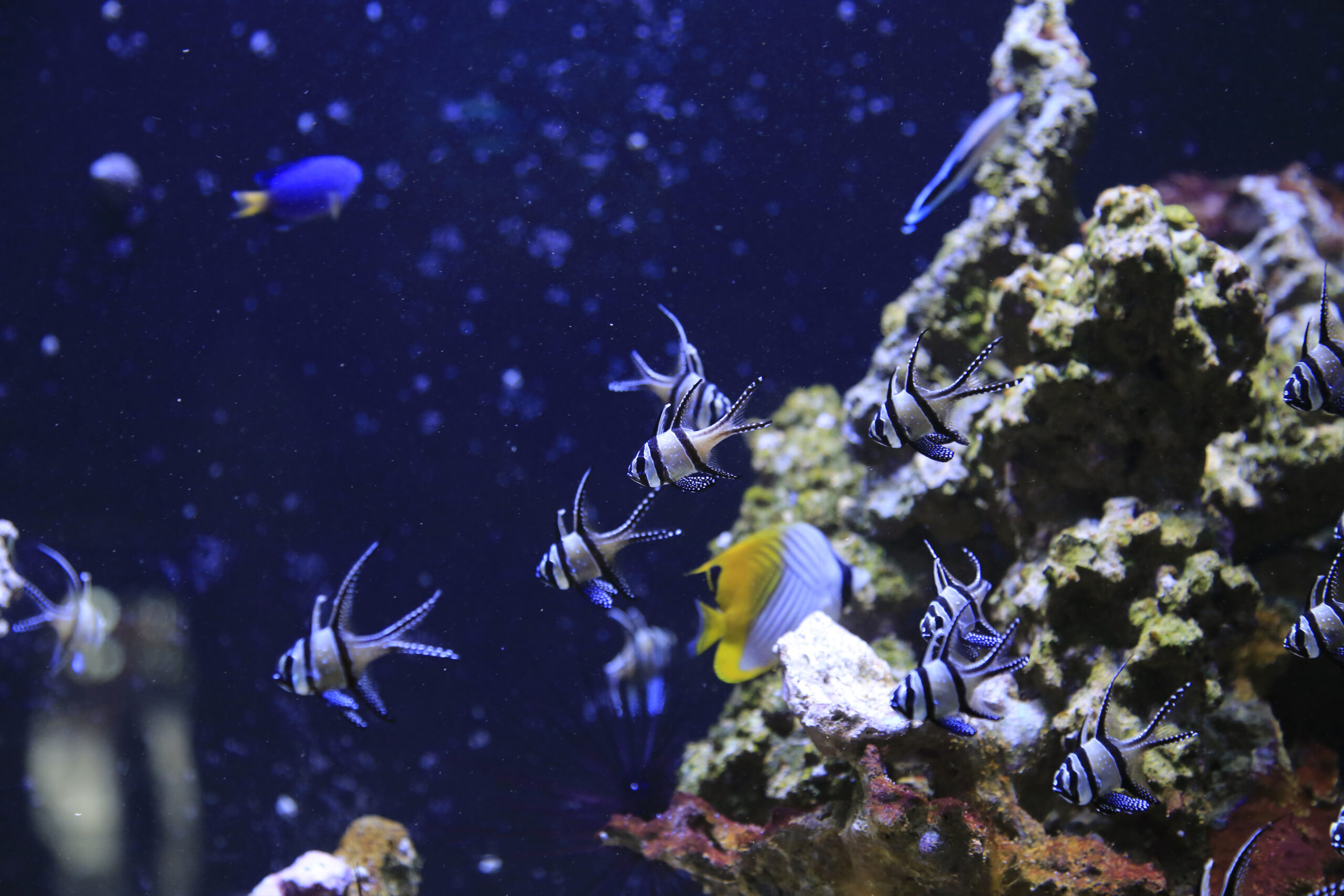
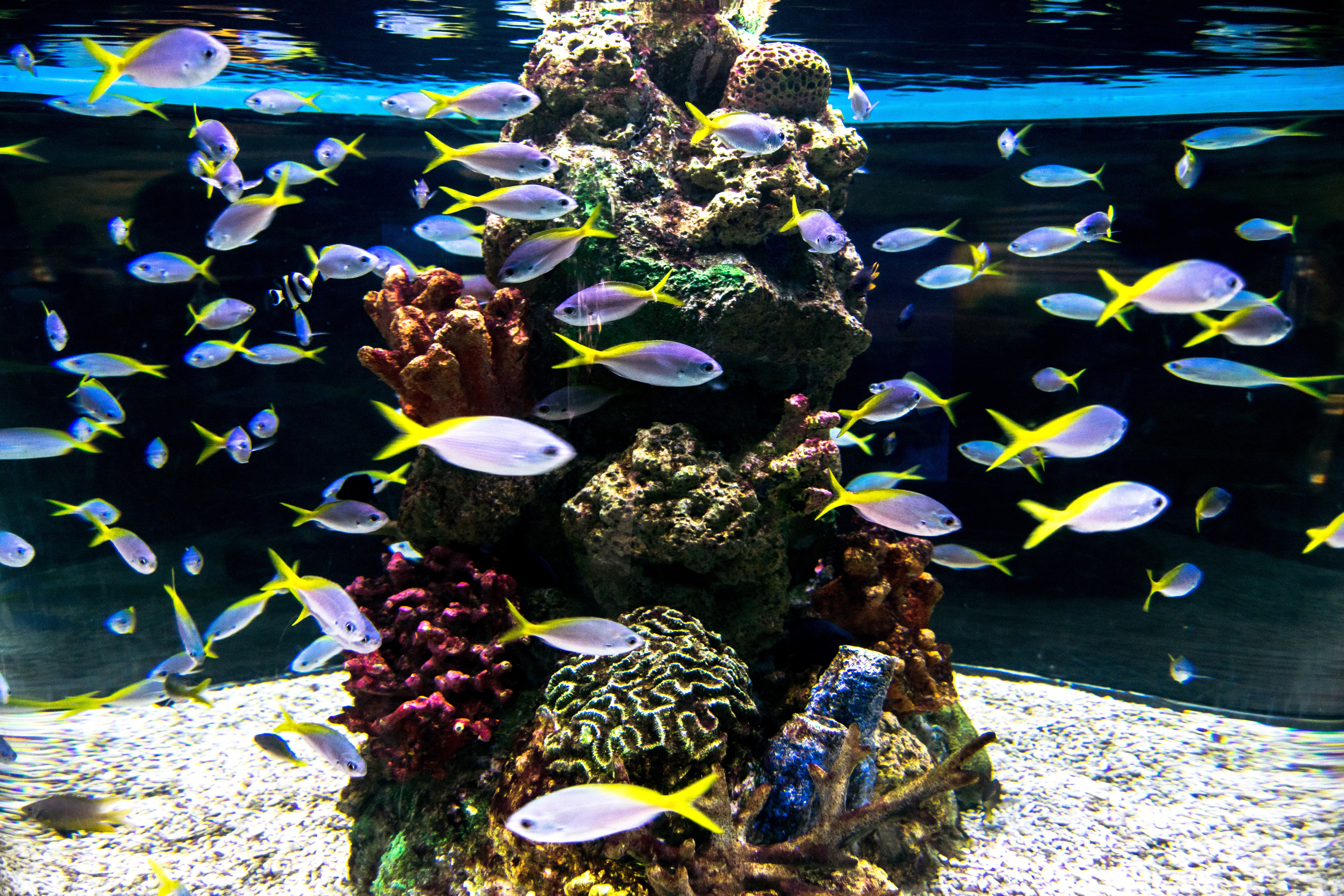
The livestock should complement the aquascape rather than distract from it. Small schooling fish often enhance planted layouts by moving gracefully through open water, while peaceful bottom dwellers help maintain activity across different levels of the aquarium.
Avoid overcrowding, as excessive stocking can diminish the visual impact of the carefully planned design and place unnecessary strain on water quality.
Choosing the Right Plants
Plant selection should consider growth rate, lighting requirements, maintenance, and the intended visual effect. Mixing fine-leaved stems with broad-leaf species and low-growing foreground plants creates texture and contrast.
Epiphytic plants attached to wood and rocks add maturity without occupying valuable substrate space, while floating plants can soften lighting and provide natural cover.
Lighting and Presentation
Proper lighting highlights colours, creates shadows, and supports healthy plant growth. Consistent daily lighting schedules encourage stability and help showcase the aquascape at its best.
Viewing angles should also be considered during the design stage, particularly if the aquarium will be visible from multiple sides or serve as a room divider.
Long-Term Maintenance
Every aquascape changes as plants grow and mature. Regular pruning, algae management, substrate cleaning, and water changes keep the design looking its best while maintaining healthy conditions for fish and plants.
Periodic adjustments to plant placement or trimming techniques can preserve the intended layout without requiring a complete redesign.
Bringing Your Vision to Life
An aquarium aquascape is a blend of creativity, patience, and technical knowledge. Whether you prefer dramatic rock formations, lush underwater jungles, elegant minimalist arrangements, or natural river-inspired scenes, careful planning and consistent care will help you achieve impressive results.
The most memorable aquascapes evolve over time, becoming richer and more balanced as plants establish themselves and fish settle into their environment. By experimenting with different layouts and drawing inspiration from nature, you can create a unique underwater landscape that reflects your personal style and provides lasting enjoyment.