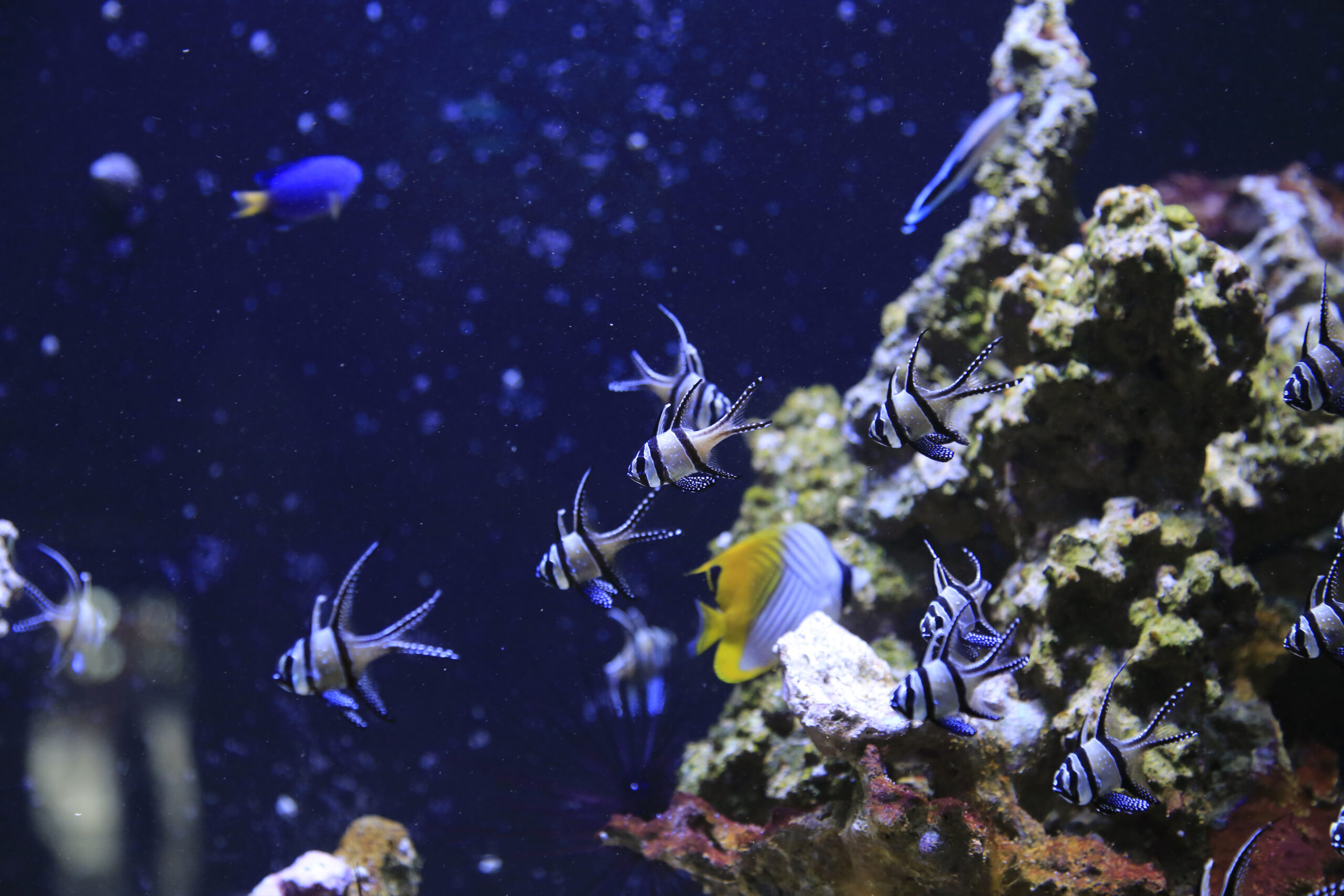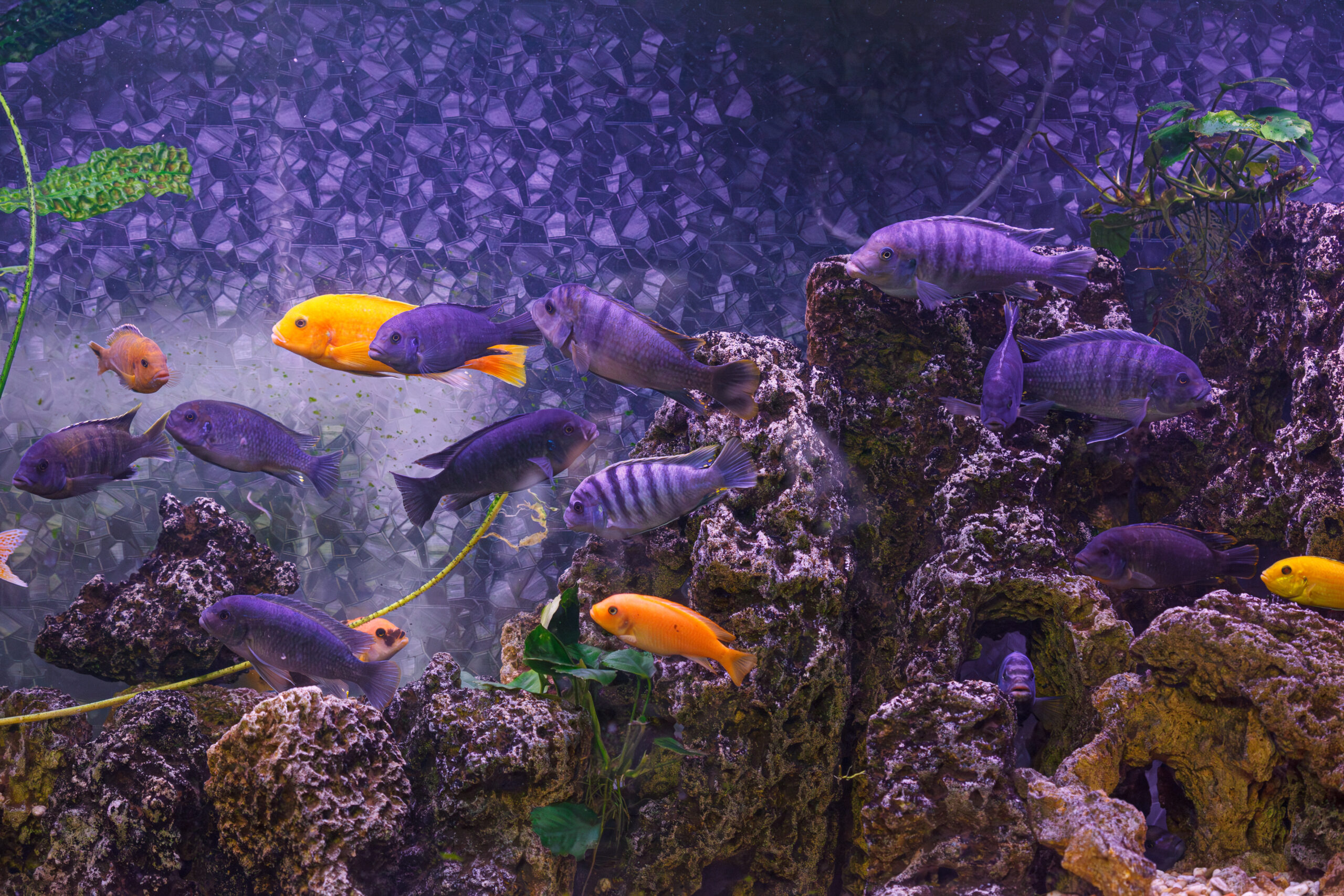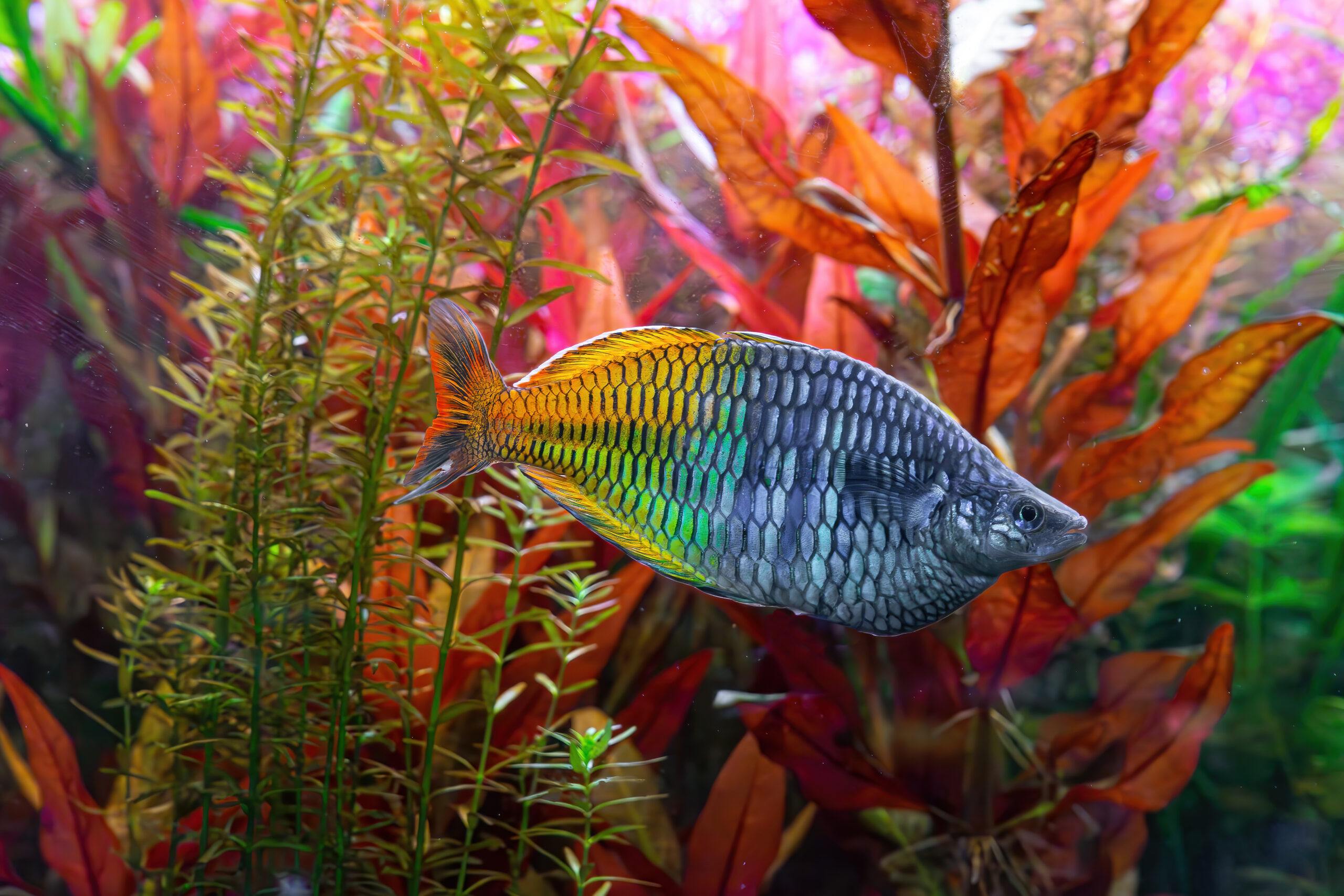
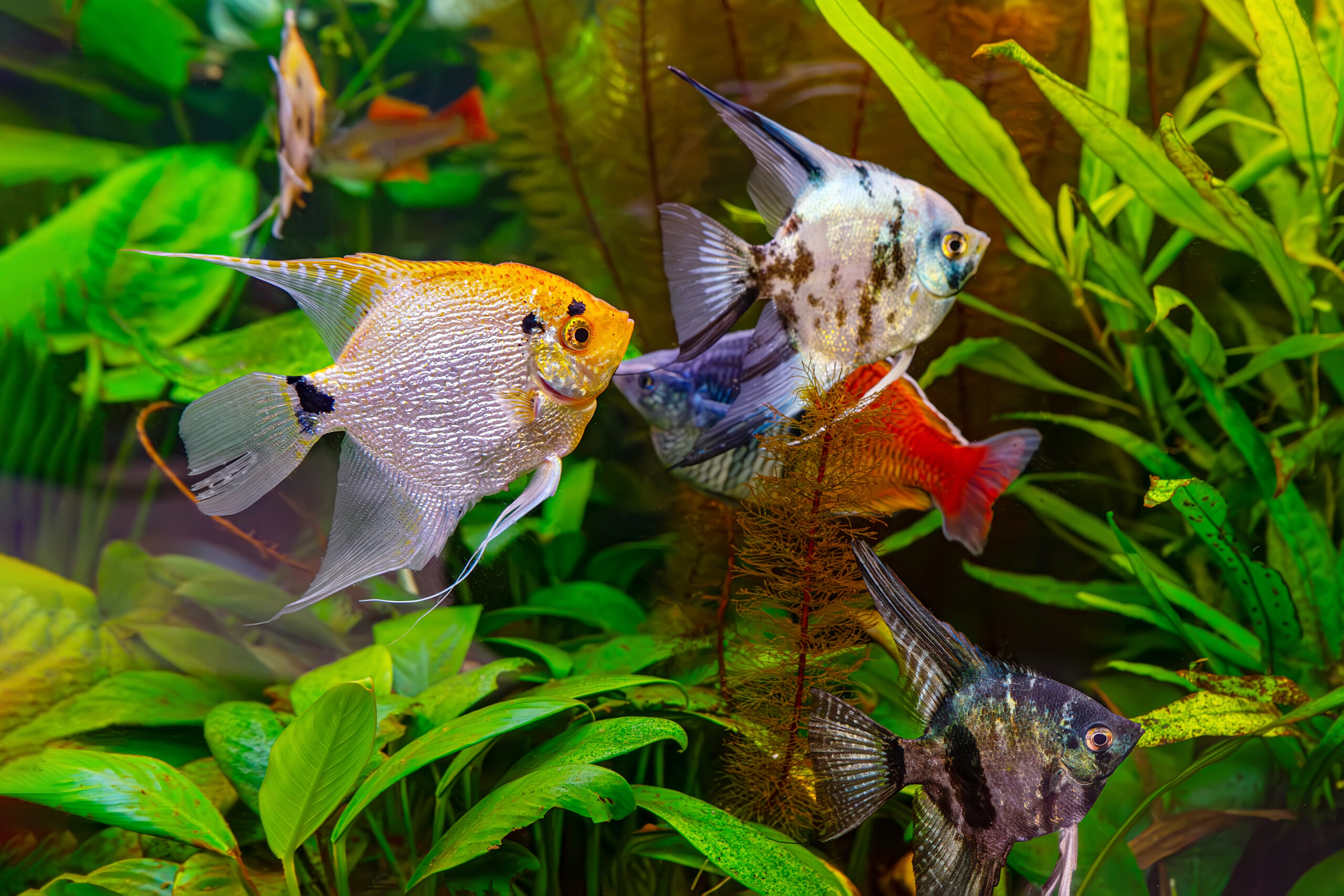
A planted aquarium can transform an ordinary fish tank into a vibrant underwater landscape. Alongside its visual appeal, live planting can provide shelter for fish, support natural behaviours and contribute to a more balanced aquatic environment.
At Matthews Aquatic Paradise Ltd, we design, install and maintain planted aquariums for homes and businesses across the UK. Here is what you should consider when creating your own aquatic paradise.
Choose the Right Aquarium
Start by selecting an aquarium that suits your available space, preferred fish and maintenance commitment. Larger aquariums often provide more stable water conditions, while compact tanks can be ideal for smaller homes and offices.
Before installing the aquarium, check that the floor or cabinet can support its total filled weight. Position the tank away from direct sunlight, radiators and areas with significant temperature changes.
Select a Suitable Substrate
Aquatic plants need the correct foundation to grow. Nutrient-rich aquarium soil can support demanding rooted plants, while gravel or sand may be suitable for simpler layouts and plants that absorb nutrients from the water.
The substrate can also help shape the aquascape. Raising it towards the back of the aquarium creates depth and makes the finished display appear larger.
Begin with Easy Aquarium Plants
Beginners should choose hardy plants that can tolerate a range of water conditions. Popular options include:
- Anubias
- Java fern
- Amazon sword
- Cryptocoryne
- Java moss
- Vallisneria
Anubias and Java fern should usually be attached to rock or wood rather than buried deeply in the substrate. Research each plant before positioning it to prevent avoidable damage.
Plan the Aquascape
A successful aquascape requires more than placing decorations randomly. Think about height, colour, texture and open swimming space. Tall plants work well in the background, medium plants can fill the central area, and low-growing plants are ideal for the foreground.
Natural rocks and aquarium-safe wood can create structure, but every material must be suitable for aquatic use. Some rocks may alter water chemistry, while untreated wood can introduce contaminants.
Install Appropriate Lighting
Live plants need sufficient light for photosynthesis. The strength and duration of lighting should reflect the plants being grown. Too little light may lead to weak growth, while excessive lighting can encourage unwanted algae.
A timer can provide a consistent daily lighting schedule. Many planted aquariums perform well with approximately six to eight hours of light per day, although individual requirements vary.
Cycle the Aquarium
Never add fish immediately after filling a new aquarium. The tank must establish beneficial bacteria capable of processing harmful waste. This process is known as the nitrogen cycle and can take several weeks.
Testing ammonia, nitrite, nitrate and pH helps you understand when the aquarium is ready. Fish should only be introduced gradually once conditions are stable and suitable for the selected species.
Maintain the Finished Aquarium
Regular maintenance keeps a planted aquarium healthy and attractive. Essential tasks include partial water changes, glass cleaning, plant trimming, equipment checks and water testing.
Avoid changing all the water or cleaning filter media under untreated tap water, as this may damage the beneficial bacterial colony. Consistent care is usually more effective than making large corrections after problems appear.
Create Your Aquatic Paradise
Matthews Aquatic Paradise Ltd provides professional aquarium design, installation, health checks, fish consultations and ongoing maintenance. Whether you want a peaceful planted aquarium or an impressive bespoke display, we can help you create a system suited to your space and experience.
Visit www.matthewsaquaticparadise.co.uk to explore our aquarium services and request expert assistance.