Freshwater Swordtails are among the most popular tropical fish in the aquarium hobby, admired for their vibrant colours, active personalities, and ease of care. Whether you are setting up your very first community aquarium or expanding an established collection, Swordtails are an excellent choice thanks to their adaptability and engaging behaviour.
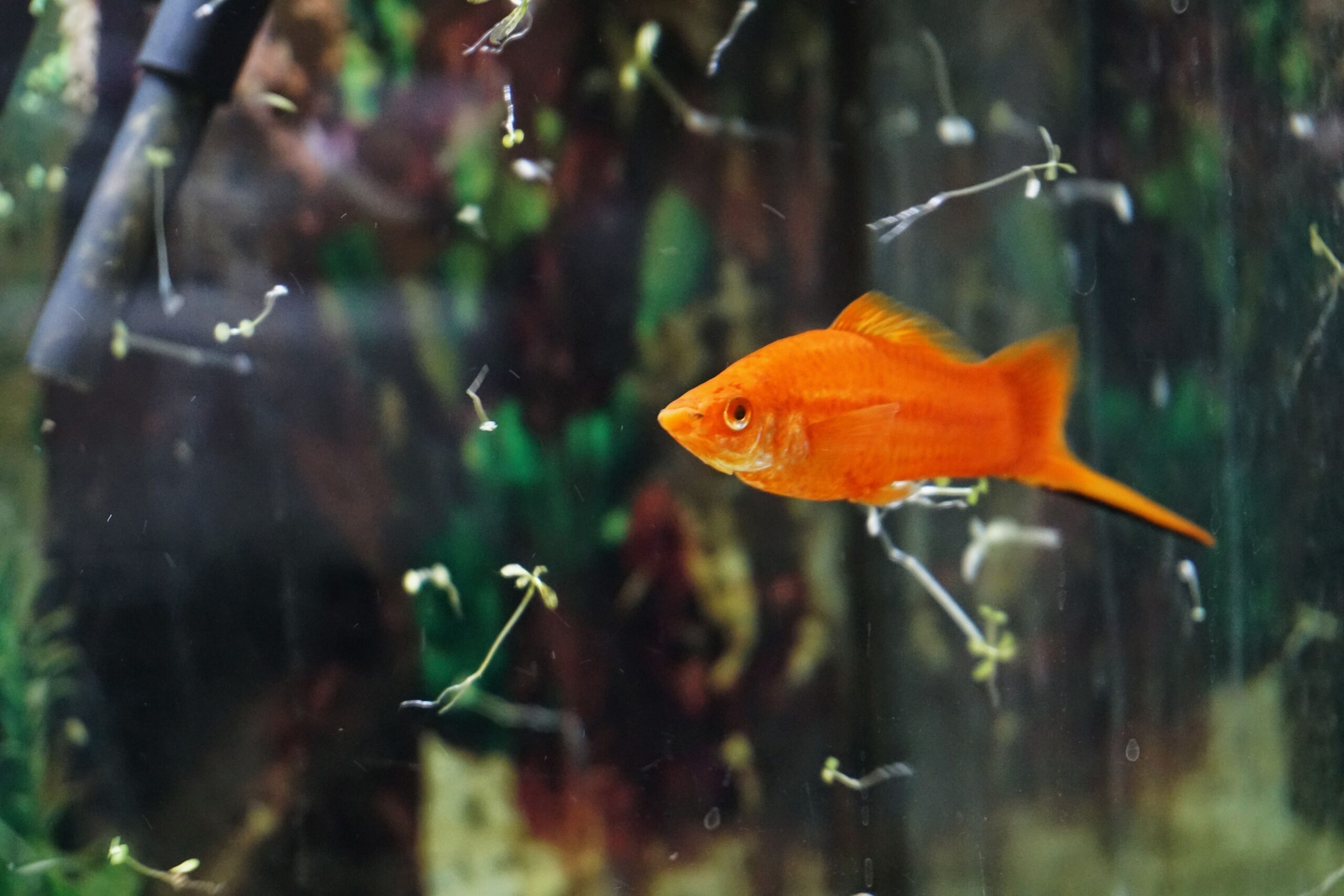
Named after the elongated lower section of the male’s tail fin, which resembles a sword, these fish bring constant movement and visual interest to any aquarium. Available in a wide range of colours and patterns, they are easy to breed, generally peaceful, and suitable for aquarists with varying levels of experience.
This comprehensive guide explains everything you need to know about caring for freshwater Swordtails, from selecting the right aquarium and maintaining water quality to feeding, breeding, and preventing common health issues.
Understanding Swordtails
Swordtails belong to the species Xiphophorus hellerii and originate from rivers and streams in Central America, including parts of Mexico, Belize, and Honduras. In the wild, they inhabit slow-moving waters with abundant vegetation where they feed on algae, plant matter, insects, and tiny aquatic organisms.
Over decades of selective breeding, aquarists have developed countless colour varieties including red, pineapple, lyretail, tuxedo, wagtail, koi, marigold, green, and black Swordtails. Their hardiness and adaptability have made them a favourite in home aquariums across the world.
Males are easily recognised by their distinctive sword extension on the tail and generally remain smaller than females. Females are usually larger, rounder-bodied, and lack the extended tail feature.
Aquarium Size Requirements
Although Swordtails are often sold as beginner fish, they require more swimming space than many people realise. Their energetic nature means cramped conditions can lead to stress and aggression.
A tank of at least 90 litres is recommended for a small group, while 120 litres or larger provides a much better environment for long-term health and social interaction. Larger aquariums also offer greater water stability and make maintaining excellent water quality much easier.
Because Swordtails are active swimmers, horizontal swimming space is more valuable than excessive tank height. Long aquariums allow them to display natural schooling and exploratory behaviours.
Water Parameters
Maintaining stable water conditions is essential for healthy Swordtails. Fortunately, they are forgiving fish that tolerate a relatively wide range of conditions when changes occur gradually.
Ideal water parameters include:
- Temperature between 22°C and 28°C
- pH between 7.0 and 8.3
- Moderate to hard water
- Ammonia: 0 ppm
- Nitrite: 0 ppm
- Low nitrate levels through regular maintenance
Regular testing helps identify problems before they affect the fish. Weekly partial water changes of around 25% to 30% will keep conditions stable and minimise waste accumulation.
Sudden fluctuations in temperature or chemistry should be avoided, as consistency is often more important than chasing perfect numbers.
Filtration and Oxygenation
Swordtails appreciate clean, well-oxygenated water with gentle to moderate movement. A reliable external canister filter or quality internal filter provides excellent biological filtration while keeping debris under control.
Good surface agitation promotes gas exchange and increases oxygen levels. Live plants also contribute to water quality by absorbing nitrates and producing oxygen during daylight hours.
Filter media should be cleaned using aquarium water rather than untreated tap water to preserve beneficial bacteria responsible for the biological cycle.
Aquarium Decoration
Swordtails thrive in aquariums that combine open swimming areas with dense planting and decorative hiding places.
Live plants such as Vallisneria, Java Fern, Amazon Sword, Cryptocoryne, and floating species create natural cover while helping maintain water quality. Driftwood and smooth rocks add visual appeal without restricting swimming space.
Open areas in the centre or front of the aquarium allow Swordtails to display their active swimming habits while planted edges provide shelter for females and juvenile fish.
Fine gravel or sand substrates both work well and can support rooted aquatic plants effectively.
Social Behaviour
Swordtails are peaceful community fish but possess a lively and sometimes competitive personality. Males may display to one another by flaring fins and chasing rivals, particularly in confined spaces.
Keeping one male with multiple females often reduces unwanted attention towards individual fish. A ratio of one male to two or three females generally creates a balanced social structure.
In larger aquariums with sufficient hiding places, multiple males can coexist successfully provided there is enough territory and visual separation.
These fish spend much of the day swimming throughout the tank, interacting with one another, and investigating their surroundings.
Choosing Suitable Tank Mates
Swordtails make excellent additions to peaceful community aquariums and are compatible with many commonly kept tropical species.
Good companions include:
- Mollies
- Platies
- Guppies
- Corydoras catfish
- Bristlenose plecos
- Harlequin rasboras
- Zebra danios
- Cherry barbs
- Many rainbowfish species
- Peaceful loaches
Avoid housing them with highly aggressive cichlids, fin-nipping species, or exceptionally slow-moving fish that may become stressed by the Swordtails’ energetic behaviour.
Shrimp may coexist in heavily planted aquariums, but very small juveniles could be viewed as food.
Feeding Swordtails
Swordtails are omnivores that benefit from a varied and balanced diet. High-quality tropical flakes or micro pellets provide an excellent staple food, but additional variety supports stronger colours, breeding success, and overall health.
Suitable supplementary foods include:
- Bloodworms
- Daphnia
- Brine shrimp
- Mosquito larvae
- Spirulina flakes
- Blanched spinach
- Courgette
- Shelled peas
- Algae wafers
Feed only what the fish consume within a few minutes, once or twice daily. Overfeeding contributes to poor water quality and increases the risk of disease.
Offering occasional live or frozen foods stimulates natural feeding behaviours and provides nutritional enrichment.
Live Plants and Swordtails
One of the advantages of keeping Swordtails is their compatibility with planted aquariums. While they may occasionally nibble delicate leaves or algae growing on surfaces, they rarely cause significant damage to established plants.
Robust species such as Amazon Swords, Anubias, Java Moss, Vallisneria, and Java Fern pair particularly well with these fish.
Live plants provide shelter, improve aesthetics, reduce nitrate levels, and create breeding refuges for newborn fry.
Floating plants can also reduce stress by diffusing bright lighting and offering additional cover.
Breeding Swordtails
Swordtails are livebearers, meaning females give birth to free-swimming young rather than laying eggs. This makes breeding relatively straightforward, and many hobbyists discover unexpected fry even without deliberate planning.
Healthy females can produce broods every four to six weeks after mating. A single brood may contain anywhere from 20 to over 100 fry depending on age and size.
Pregnant females often develop noticeably enlarged abdomens as birth approaches.
Dense planting or breeding boxes improve fry survival rates by giving newborns places to hide from hungry adults.
Caring for Fry
Swordtail fry are surprisingly independent immediately after birth and begin feeding almost straight away.
Ideal first foods include:
- Commercial fry powder
- Newly hatched brine shrimp
- Microworms
- Finely crushed flake food
- Infusoria
Frequent small feedings combined with pristine water quality promote rapid growth.
As they mature, juveniles can gradually transition onto standard community fish foods and eventually join the adult aquarium.
Separating fry into a dedicated grow-out tank often produces higher survival rates and more uniform development.
Recognising Healthy Fish
When purchasing Swordtails, observe them carefully before bringing them home.
Healthy individuals should display:
- Bright, vibrant colours
- Smooth swimming movements
- Fully extended fins
- Clear eyes
- Intact scales
- Strong appetite
- No white spots or fuzzy growths
- Normal breathing
Avoid fish that isolate themselves, gasp at the surface, clamp their fins, or show signs of visible injury or disease.
Buying from reputable retailers that maintain clean tanks and quarantine new arrivals reduces the risk of introducing illness.
Common Health Problems
Although hardy, Swordtails remain susceptible to several common aquarium diseases.
White Spot Disease
Ich appears as tiny white grains scattered across the body and fins. Early treatment combined with improved water quality usually produces good outcomes.
Fin Rot
Poor water conditions or physical injury may lead to fraying or deteriorating fins. Maintaining excellent hygiene and addressing underlying causes is essential.
Fungal Infections
Cotton-like growths often develop on damaged tissue or weakened fish. Prompt treatment and improved environmental conditions help prevent spread.
Internal Parasites
Weight loss despite feeding, stringy faeces, or reduced appetite may indicate internal parasites requiring appropriate medication.
The best defence against disease is prevention through regular maintenance, stable water parameters, quarantine procedures, and quality nutrition.
Routine Maintenance
Successful Swordtail keeping depends on consistency rather than complexity.
Weekly maintenance should include:
- Partial water changes
- Gravel vacuuming
- Glass cleaning
- Testing water parameters
- Inspecting equipment
- Removing dead plant material
- Monitoring fish behaviour
Monthly checks of filter components and heater operation further reduce the likelihood of unexpected problems.
Keeping a maintenance schedule helps prevent issues before they become serious.
Encouraging Bright Colours
Genetics largely determine colour intensity, but husbandry plays a significant role.
To maximise appearance:
- Feed a varied, nutrient-rich diet.
- Maintain stable water quality.
- Avoid overcrowding.
- Provide adequate swimming space.
- Include natural lighting cycles.
- Reduce stress through compatible stocking.
Healthy Swordtails display richer pigmentation and stronger finnage than stressed or poorly maintained specimens.
Seasonal Considerations
If your home experiences significant seasonal temperature changes, ensure heaters are functioning correctly throughout colder months.
Avoid placing aquariums in direct sunlight or near radiators, fireplaces, or draughty windows, as these can create rapid temperature fluctuations and encourage excessive algae growth.
Power outages should also be considered when planning long-term fish care, particularly during winter.
Mistakes Beginners Often Make
Many first-time keepers unintentionally shorten the lifespan of Swordtails through avoidable errors.
Common mistakes include:
- Cycling the aquarium improperly before adding fish.
- Overstocking small tanks.
- Introducing too many males.
- Overfeeding.
- Neglecting regular water changes.
- Ignoring water testing.
- Mixing incompatible species.
- Purchasing unhealthy livestock.
- Making sudden parameter changes.
Taking time to establish the aquarium correctly pays significant dividends in fish health and enjoyment.
Lifespan Expectations
With proper care, Swordtails typically live between three and five years, though exceptional specimens may survive longer.
Genetics, nutrition, water quality, stress levels, and disease prevention all contribute to longevity.
Fish raised in spacious, well-maintained aquariums with varied diets and compatible companions generally enjoy the longest and healthiest lives.
Why Swordtails Remain a Favourite
Few freshwater fish combine beauty, activity, ease of care, and breeding potential as successfully as Swordtails. Their constant movement, fascinating social interactions, and impressive range of colours make them suitable centrepieces for many community aquariums.
They reward attentive care with vibrant displays, energetic behaviour, and regular breeding opportunities, making them particularly appealing to families and hobbyists looking to expand their aquarium knowledge.
By providing clean water, balanced nutrition, appropriate companions, and consistent maintenance, you can enjoy thriving Swordtails for many years while creating a lively and colourful freshwater aquarium that remains a pleasure to observe every day.