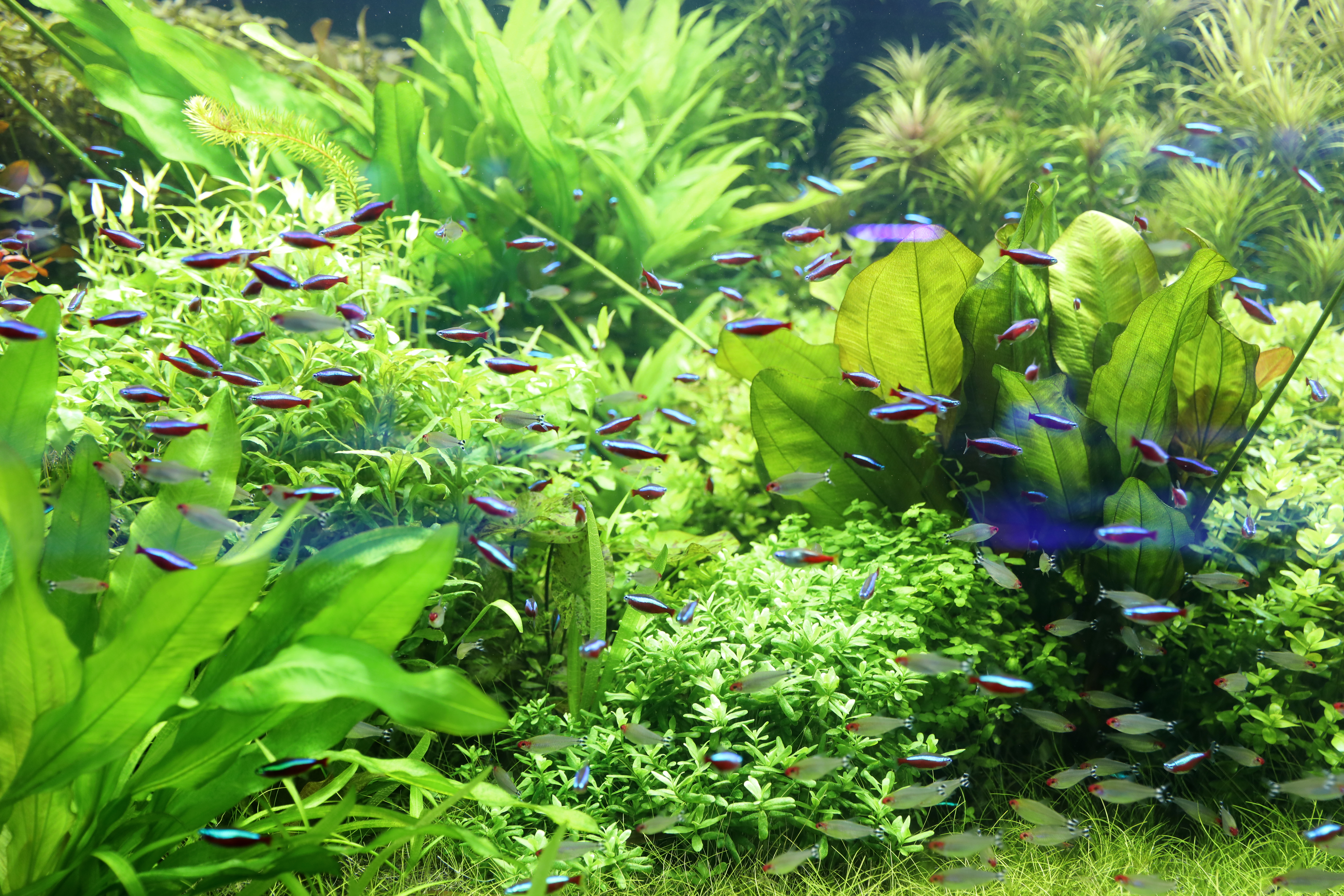
Healthy aquatic plants are the foundation of a beautiful freshwater aquarium. They add colour and texture, improve water quality, provide shelter for fish, and create a more natural environment. However, even the most carefully planned planted tank requires regular maintenance to keep it looking its best.
Trimming and propagating aquarium plants are essential skills for every aquarist. Proper pruning encourages healthy growth, prevents overcrowding, and helps maintain the intended aquascape. Propagation also allows you to multiply your favourite plants, fill empty areas of the aquarium, or share cuttings with fellow hobbyists.
This guide explains when and how to trim common aquarium plants and the most effective methods for propagating them successfully.
Why Regular Trimming Matters
Aquatic plants grow continuously under the right conditions. Without routine maintenance, fast-growing species can block light, restrict water circulation, and outcompete slower-growing plants.
Regular trimming offers several benefits:
- Encourages bushier, healthier growth.
- Prevents plants from shading one another.
- Maintains the desired aquascape layout.
- Improves water circulation.
- Reduces the build-up of decaying leaves.
- Keeps swimming areas open for fish.
- Makes aquarium maintenance easier.
A well-maintained planted aquarium not only looks more attractive but also supports a healthier environment for its inhabitants.
Knowing When to Trim
There is no fixed schedule for trimming because growth rates vary depending on lighting, fertilisation, carbon dioxide levels, and plant species.
Signs that trimming is needed include:
- Stems reaching the water surface.
- Plants blocking equipment or filter outlets.
- Excessive shading of lower leaves.
- Overcrowded growth.
- Yellowing or damaged foliage.
- Carpet plants growing too thickly.
- Floating plants covering most of the surface.
Frequent light pruning is often preferable to occasional heavy cutting, as it causes less stress and preserves the overall appearance of the aquarium.
Essential Tools
Using the right tools makes trimming easier and produces cleaner cuts that heal more quickly.
Useful equipment includes:
- Sharp aquascaping scissors.
- Curved trimming scissors for carpets.
- Long planting tweezers.
- Fine forceps.
- Small collection net for removed debris.
- Clean towel for wiping tools.
- Bucket for discarded cuttings or propagation material.
Always rinse tools before use and avoid introducing contaminants into the aquarium.
Trimming Stem Plants
Stem plants are among the easiest aquarium plants to prune and propagate. They typically grow vertically and develop multiple leaves along flexible stems.
To trim them, simply cut the stem above a healthy leaf node using sharp scissors. The remaining rooted section will usually produce new side shoots, resulting in a fuller and bushier appearance.
Removing only the upper portion preserves the existing root system while encouraging fresh growth.
Propagating Stem Plants
Most stem plants can be propagated using cuttings. Select a healthy section several centimetres long with multiple leaf nodes and remove any leaves that would be buried beneath the substrate.
Insert the trimmed cutting gently into the substrate using tweezers, spacing it far enough from neighbouring stems to allow room for future growth.
Within a relatively short period, new roots will develop and the cutting will establish itself as an independent plant.
Trimming Rosette Plants
Rosette plants, such as many sword plants and Cryptocoryne species, grow from a central crown rather than from vertical stems.
When pruning these plants, remove older or damaged leaves individually by cutting them close to the base without damaging the crown itself.
Avoid cutting healthy leaves halfway along their length, as this can create unattractive edges and may encourage deterioration.
Propagating Rosette Plants
Many rosette plants reproduce by sending out runners beneath or across the substrate. Small plantlets form along these runners and eventually develop their own roots.
Once a young plant has established several leaves and a healthy root system, it can be carefully separated from the parent and replanted elsewhere in the aquarium.
This method allows natural expansion while maintaining a balanced layout.
Caring for Rhizome Plants
Plants such as Java Fern and Anubias grow from thick horizontal rhizomes rather than conventional stems.
When trimming, remove damaged or oversized leaves at their base while keeping the rhizome intact. Burying the rhizome beneath the substrate should generally be avoided, as this may lead to rot.
These plants are often attached to rocks or driftwood using thread or aquarium-safe adhesive.
Propagating Rhizome Plants
Propagation is straightforward. Identify a healthy rhizome with several leaves attached and divide it into sections using clean scissors or a sharp blade.
Each section should contain multiple leaves and enough rhizome tissue to support continued growth. The new divisions can then be secured to hardscape where they will gradually anchor themselves naturally.
Trimming Mosses
Aquarium mosses create soft textures on wood, rocks, and decorative features but can become dense if left unmanaged.
Trim moss using fine scissors, removing excess growth while preserving the desired shape. Avoid allowing loose fragments to spread throughout the aquarium unless additional colonisation is intended.
Regular light trimming encourages compact and attractive growth.
Propagating Mosses
Moss is one of the easiest aquarium plants to propagate. Small pieces can simply be attached to fresh driftwood, rocks, or mesh using cotton thread or aquarium-safe materials.
Given suitable conditions, the fragments gradually spread and develop into dense cushions or carpets.
Maintaining Carpet Plants
Foreground carpeting plants create impressive visual effects but require regular maintenance to prevent excessive thickness.
Trim horizontally across the surface using curved aquascaping scissors, removing only the upper growth. This helps light penetrate to lower layers and reduces the risk of sections dying off beneath dense foliage.
Collect trimmed fragments promptly to prevent them from decomposing in the aquarium.
Propagating Carpet Species
Many carpeting plants spread through runners or creeping stems. Small rooted sections can be separated carefully and replanted in new areas using tweezers.
Spacing newly planted sections encourages them to spread evenly and eventually merge into a continuous carpet.
Patience is important, as complete coverage may take several weeks or months depending on growth conditions.
Floating Plants
Floating species reproduce rapidly under favourable conditions and can quickly cover the water surface.
Remove excess growth regularly to ensure adequate light reaches submerged plants and to maintain efficient gas exchange at the surface.
Healthy floating plants removed during thinning can often be transferred to another aquarium or shared with other aquarists.
Aftercare Following Trimming
Pruning temporarily changes nutrient demand and plant balance within the aquarium.
Following a trimming session:
- Remove loose leaves and debris.
- Perform a partial water change if necessary.
- Ensure filters are operating correctly.
- Monitor fertilisation routines.
- Maintain consistent lighting.
- Watch for signs of new growth.
Healthy plants usually respond with vigorous regeneration over the following days and weeks.
Common Mistakes to Avoid
Beginners sometimes make errors that slow recovery or damage plants unnecessarily.
Avoid:
- Using blunt scissors that crush stems.
- Removing too much growth at once.
- Cutting into plant crowns or rhizomes.
- Leaving decaying leaves in the aquarium.
- Burying rhizomes beneath the substrate.
- Replanting unhealthy cuttings.
- Ignoring overcrowding until plants become unmanageable.
Gentle, regular maintenance produces better long-term results than infrequent major pruning.
Creating New Layouts with Propagation
Propagation provides an economical way to expand a planted aquarium. New cuttings can fill gaps, strengthen perspective within an aquascape, or establish entirely new layouts without purchasing additional plants.
Many experienced aquarists gradually transform their aquariums using propagated material from existing specimens, allowing the design to evolve naturally over time.
Supporting Healthy Plant Growth
Successful trimming and propagation depend on overall plant health. Consistent lighting, balanced fertilisation, suitable substrate, and stable water conditions all contribute to vigorous growth and successful establishment of new plants.
Avoid making multiple major changes simultaneously, as plants often respond best to gradual adjustments and consistent care.
Final Thoughts
Learning how to trim and propagate aquarium plants is an essential part of maintaining a thriving planted aquarium. Regular pruning keeps growth under control, enhances the appearance of the aquascape, and encourages stronger, healthier plants. Meanwhile, propagation allows you to multiply your collection, refresh your design, and make the most of every healthy specimen.
With patience, the right tools, and careful observation, even beginners can master these techniques and enjoy lush aquatic gardens that continue to improve with time. By incorporating trimming into your regular maintenance routine, your aquarium will remain vibrant, balanced, and visually striking throughout the year.