Choosing between a freshwater and marine aquarium is one of the most important decisions you will make when beginning a new aquarium project. Both options can create a beautiful aquatic display, but they differ in cost, equipment, livestock, maintenance and the level of experience required.
Freshwater aquariums are often recommended for beginners because they are generally more affordable, easier to establish and more forgiving of small mistakes. They also offer an enormous variety of fish, plants and aquascaping possibilities.
Marine aquariums provide access to spectacular saltwater fish, corals and invertebrates. Their colours, behaviours and reef environments can be extraordinary, but these systems usually require more specialist equipment, closer monitoring and a larger budget.
Neither option is automatically better. The right aquarium depends on your available space, preferred livestock, budget and willingness to complete regular maintenance. By understanding the differences before making a purchase, you can choose a system that suits your home and remains manageable in the long term.
What Is a Freshwater Aquarium?
A freshwater aquarium contains water with a very low concentration of dissolved salt. It may be designed for tropical fish, coldwater species, live plants, shrimp, snails or a combination of compatible inhabitants.
Tropical freshwater aquariums normally use a heater to maintain a stable temperature. They can contain popular species such as guppies, platies, mollies, tetras, rasboras, gouramis and Corydoras catfish.
Coldwater aquariums contain species suited to lower temperatures. Goldfish are among the best-known examples, although they require considerably more space and filtration than many new owners expect.
Freshwater aquariums can also be designed around a particular habitat or aquascaping style. Some displays recreate rivers or forest streams, while others use plants, rocks and wood to create imaginative underwater landscapes.
The flexibility of freshwater fishkeeping makes it suitable for beginners, experienced aquarists and professional installations.
What Is a Marine Aquarium?
A marine aquarium contains saltwater prepared to match the environmental needs of marine fish and invertebrates. The correct salinity is normally achieved by mixing specialist marine salt with purified water.
Marine aquariums can be divided into several broad types. A fish-only system focuses primarily on saltwater fish, while a fish-only-with-live-rock aquarium uses porous marine rock to provide biological filtration and a more natural environment.
A reef aquarium contains corals and other invertebrates as well as compatible fish. Reef systems generally require strong specialist lighting, carefully controlled water chemistry and stable nutrient levels.
Marine aquariums can display species and colours that are not available in freshwater systems. Clownfish, gobies, tangs, wrasses, corals, snails and shrimp can create a constantly changing display.
However, these animals have different requirements and levels of sensitivity. A marine aquarium must be planned around the intended livestock rather than assembled as a generic saltwater tank.
Which Aquarium Is Better for Beginners?
A freshwater aquarium is usually the more accessible option for a complete beginner. The equipment is generally simpler, water preparation is more straightforward and many commonly available freshwater species are relatively adaptable when kept correctly.
This does not mean that freshwater fish can be placed in an uncycled aquarium or kept without research. They still require suitable water quality, temperature, filtration, tankmates and space.
Marine aquariums can also be successful first projects when the owner is prepared to research carefully, invest in suitable equipment and follow a consistent maintenance routine. Professional design and ongoing support can make the process more manageable.
The real question is not whether a beginner is allowed to own a marine aquarium. It is whether they understand the additional responsibilities and are comfortable with the associated cost and complexity.
Someone who wants a straightforward introduction to fishkeeping will normally be better served by a medium-sized tropical freshwater aquarium. A person strongly committed to marine livestock may prefer to begin with a professionally planned saltwater system rather than invest in a freshwater tank they do not truly want.
Comparing the Initial Costs
Freshwater aquariums generally cost less to purchase and install. A basic system may require a tank, cabinet, filter, heater, lighting, substrate, decorations and water conditioner.
The cost increases when specialist planted substrates, premium lighting, carbon dioxide equipment or custom cabinetry are added. A large planted aquascape can therefore cost more than a simple marine setup, depending on the specification.
Marine aquariums usually require additional equipment. This may include a protein skimmer, circulation pumps, sump, specialist reef lighting, automatic top-up system, purified-water equipment and marine testing kits.
Live rock, marine salt, corals and saltwater livestock also increase the initial investment. Some marine fish and corals can be considerably more expensive than common freshwater species.
The complete budget should include delivery, installation, aquascaping, water preparation and the gradual introduction of livestock. Comparing tank prices alone does not provide a realistic picture.
It is normally better to choose a smaller, properly equipped aquarium than purchase a large system and compromise on essential filtration or lighting.
Comparing Running Costs
Both freshwater and marine aquariums have ongoing costs. These include electricity, food, replacement filter media, water treatments, testing supplies and equipment maintenance.
A tropical freshwater aquarium uses electricity for filtration, heating and lighting. A planted system may also use carbon dioxide equipment and fertiliser dosing.
Marine systems often contain more pumps and specialist lighting. Reef aquariums may need temperature control, automatic dosing and continuous circulation, increasing electricity use and replacement costs.
Marine salt and purified water must also be considered. Water removed during a marine water change is replaced with newly mixed saltwater, whereas evaporated water is normally replaced with purified freshwater because the salt remains in the aquarium.
Running costs vary according to the aquarium’s size and equipment efficiency. A professional quotation or design proposal should explain the likely equipment requirements so you can estimate ongoing expenses before committing.
Equipment Needed for a Freshwater Aquarium
A typical tropical freshwater aquarium requires an appropriately sized filter, thermostatically controlled heater, lighting and thermometer.
The filter supports beneficial bacteria and removes suspended waste. It may be installed inside the tank or operated externally, depending on the aquarium’s size and design.
Lighting allows the aquarium to be viewed and supports live plant growth. The intensity should match the needs of the selected plants. Excessive lighting can contribute to algae if it is not balanced with plant nutrition and maintenance.
A water conditioner is normally required to treat tap water, and liquid testing kits help monitor ammonia, nitrite, nitrate and pH.
Additional equipment may include an air pump, carbon dioxide system, fertiliser doser, ultraviolet steriliser or automatic feeder. These additions are useful in certain systems but are not essential for every freshwater aquarium.
The equipment should be selected according to the intended livestock rather than purchased as a standard collection of accessories.
Equipment Needed for a Marine Aquarium
Marine aquariums require many of the same basic functions as freshwater systems, including filtration, heating, lighting and water circulation. However, the equipment is often more specialised.
A sump is frequently used beneath the main display. It can contain filter media, heaters, a protein skimmer, return pump and other equipment while increasing the system’s total water volume.
A protein skimmer removes dissolved organic material before it breaks down further. It is widely used in marine and reef systems, although its specification depends on the aquarium and livestock.
Marine fish and corals generally require strong water circulation. Additional pumps create flow patterns that help prevent waste from settling and provide appropriate conditions for reef inhabitants.
Marine lighting varies according to the system. A fish-only aquarium may use relatively straightforward lighting, while photosynthetic corals need suitable intensity and spectrum.
A refractometer or another reliable salinity-measuring device is required. Testing may also cover alkalinity, calcium, magnesium, phosphate and other parameters, particularly in reef aquariums.
Comparing Water Preparation
Freshwater aquarium water is often prepared from tap water using an appropriate conditioner. However, the suitability of local tap water depends on its hardness, pH and the species being kept.
Some sensitive freshwater fish, shrimp and plants may require a mixture involving reverse-osmosis water. Water chemistry should remain stable rather than being adjusted unnecessarily in pursuit of a particular number.
Marine aquarium water is prepared using specialist salt and suitably purified water. Ordinary table salt must never be used.
The saltwater is normally mixed and aerated before being added to the aquarium. Its salinity and temperature should match the display system.
Because water evaporates but salt remains, evaporation causes marine salinity to rise. Evaporated water must therefore be replaced with purified freshwater rather than additional saltwater.
Automatic top-up systems can maintain the water level, but they must be installed and monitored correctly.
The Importance of Aquarium Cycling
Both freshwater and marine aquariums must establish a working biological filter before they are fully stocked.
Fish waste, uneaten food and decomposing organic material release ammonia, which is toxic. Beneficial bacteria convert ammonia into nitrite and then into nitrate.
Ammonia and nitrite should not be allowed to rise to dangerous levels. The aquarium’s cycling process must be monitored using appropriate water tests.
Marine aquariums may also experience several stages of visual and biological maturation. Brown films, algae and changes in microbial populations can occur as the system develops.
Cycling should not be rushed. Bottled bacterial products may support the process, but they do not justify adding a full population immediately without testing.
Livestock should be introduced gradually so the biological filtration can adjust to increased waste production.
Freshwater Fish Choices
Freshwater fishkeeping offers an enormous range of species, colours and behaviours.
Small community aquariums may contain tetras, rasboras, guppies or dwarf Corydoras. Larger systems can accommodate gouramis, rainbowfish, angelfish, discus or selected cichlids.
Some fish need to live in schools, while others are territorial or solitary. Their adult size must always be considered.
Water chemistry is another important factor. Livebearers such as guppies, mollies and platies often prefer harder, more alkaline water, while many tetras and rasboras originate from softer conditions.
Choosing fish suited to your local water can make management easier. Alternatively, water can be prepared to create appropriate conditions when the owner understands how to keep those conditions stable.
Freshwater does not mean that every species can be mixed together. Compatibility research remains essential.
Marine Fish Choices
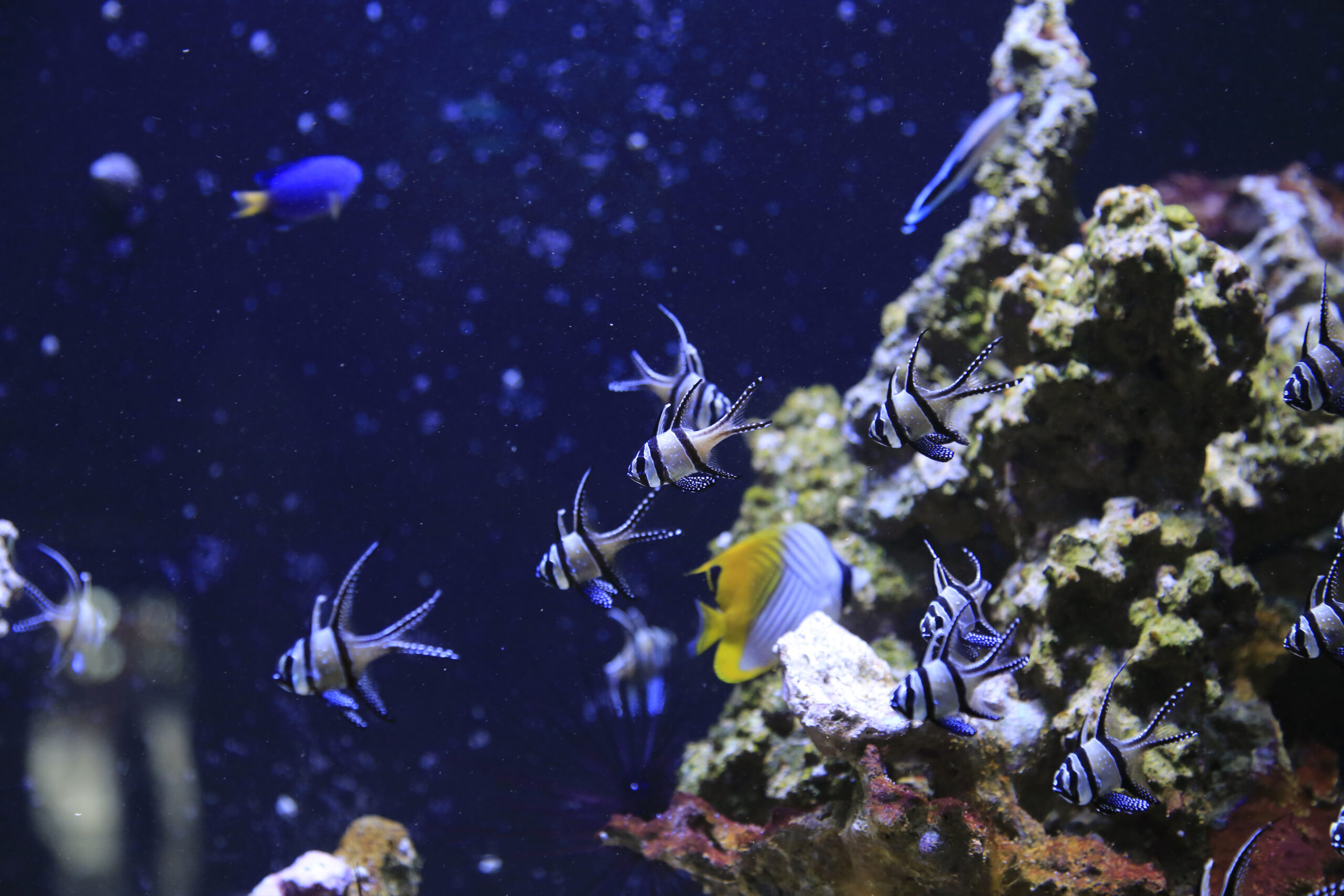
Marine fish are often selected for their intense colours and distinctive behaviour. Popular options include clownfish, gobies, blennies, cardinalfish and certain wrasses.
Some marine species grow very large or require extensive swimming space. Tangs, for example, are active swimmers and many species need substantially larger aquariums than their juvenile size might suggest.
Marine fish may also be territorial, aggressive or unsuitable for reef aquariums. Some species eat corals or small invertebrates, while others require highly specialised diets.
Wild-caught livestock can present additional welfare and sustainability considerations. Where possible, investigate responsibly sourced and captive-bred alternatives.
A stocking plan should be developed before the aquarium is purchased. This ensures the finished tank provides enough space, hiding areas and appropriate filtration.
Marine fish should be introduced in a carefully planned order because established territorial species may attack later additions.
Freshwater Plants and Aquascaping
Freshwater aquariums provide extensive opportunities for live planting and creative aquascaping.
Low-demand plants can create an attractive natural display without complicated equipment. Java fern, Anubias, many Cryptocoryne species and certain mosses can grow under moderate lighting.
Advanced aquascapes may use carpeting plants, colourful stems and carbon dioxide injection. These systems require closer control of lighting, fertilisation and plant growth.
Rocks and aquarium-safe wood can be arranged to create mountains, forests, riverbanks or other natural scenes. The layout can provide shelter and territorial boundaries while leaving open swimming areas.
Live plants absorb nutrients, provide cover and contribute to the aquarium environment. However, they still need maintenance. Overgrown plants require trimming, and decaying material should be removed.
A planted freshwater aquarium can be as simple or sophisticated as the owner chooses.
Marine Corals and Reef Aquascaping
Reef aquariums use rock structures to create a foundation for corals. The aquascape should provide open water flow, stable placement and sufficient space for coral growth.
Corals are living animals rather than decorations. Different species have different lighting, flow, feeding and water-chemistry requirements.
Some corals can sting nearby specimens, while fast-growing varieties may overshadow others. The initial layout should allow for their eventual size.
Reef aquariums also contain invertebrates such as shrimp, snails and crabs. These animals may help consume certain types of algae or leftover food, but they do not replace maintenance.
Coral selection should match the maturity and stability of the aquarium. Beginners often start with less demanding species before considering sensitive stony corals.
Even apparently hardy corals require stable salinity, temperature and water quality.
Comparing Maintenance Requirements
Every aquarium needs regular maintenance. There is no genuinely maintenance-free freshwater or marine system.
Freshwater maintenance normally includes partial water changes, glass cleaning, filter care, substrate cleaning, plant trimming and water testing.
Marine maintenance includes many of the same tasks but may require additional testing, protein-skimmer cleaning, saltwater preparation and careful management of salinity.
Reef aquariums may also need controlled dosing of alkalinity, calcium and magnesium as corals use these substances for growth. Automated dosing can reduce repetitive work, but it must be tested and adjusted.
Marine systems are generally less forgiving of inconsistent maintenance. A small change in salinity or water chemistry can have serious consequences for sensitive livestock.
Professional maintenance is available for both aquarium types and can be particularly helpful for large, bespoke or commercially displayed systems.
Which Aquarium Takes More Time?
A straightforward freshwater aquarium normally requires less time than a complex reef system. However, tank size and design matter.
A heavily planted freshwater aquascape may require frequent trimming, fertilisation and carbon dioxide adjustments. A lightly stocked marine fish-only aquarium may require less hands-on work than expected once properly established.
The most important factor is consistency. Completing appropriate care regularly is easier than correcting a neglected aquarium.
Before choosing a system, consider how much time you can provide every week. Include feeding, observation, water preparation, testing and equipment cleaning.
If your schedule is unpredictable, choose a simpler design or arrange professional aquarium maintenance.
Automation can support the routine, but it does not replace observation. Fish, plants, corals and equipment must still be checked.
Comparing Water Stability
Larger aquariums generally provide greater water stability than very small systems. Changes in temperature, salinity and waste concentration happen more quickly in a small water volume.
This is particularly relevant to small marine aquariums. Evaporation can change salinity rapidly, and a relatively minor dosing or feeding error can have a greater effect.
Freshwater nano aquariums also require careful management. They may be suitable for shrimp, snails or carefully selected small fish, but they are not automatically easier because they contain less water.
A medium-sized aquarium often provides a useful balance between stability, cost and maintenance.
The tank should be large enough for the chosen species and equipped with sufficient filtration. Purchasing the smallest possible aquarium rarely creates the easiest introduction to fishkeeping.
Comparing Algae Management
Algae can develop in both freshwater and marine aquariums. It is a natural group of organisms, but excessive growth may indicate an imbalance.
In freshwater tanks, algae is influenced by lighting, nutrients, plant growth, feeding and maintenance. Healthy plant growth can help compete for nutrients, although plants do not guarantee an algae-free aquarium.
Marine systems can experience diatoms, green algae, film algae and other unwanted growth. Reef aquariums may also encounter cyanobacteria or dinoflagellates, which require careful identification and management.
Algae-eating fish, snails and shrimp can assist with certain types, but no animal should be added merely as a cleaning tool without considering its full care requirements.
Controlling algae usually involves adjusting the underlying conditions rather than repeatedly applying quick treatments.
Neither freshwater nor marine aquariums are free from algae, but both can be managed successfully with balanced lighting, suitable stocking and regular care.
Comparing Fish Feeding
Many freshwater community fish accept good-quality flakes, pellets and frozen foods. Their diet should still be varied and appropriate for their natural feeding behaviour.
Bottom-dwelling fish need food that reaches them. Herbivorous species require plant-based nutrition, while predatory fish may need more specialised foods.
Marine fish can have demanding dietary needs. Some graze on algae throughout the day, while others eat plankton, crustaceans or particular natural foods.
Certain marine species struggle to adapt to prepared diets. These fish should only be purchased when the owner can meet their nutritional requirements.
Corals may also benefit from or require specialist feeding, depending on the species.
Overfeeding causes water-quality problems in both systems. Food should be offered in controlled quantities, and uneaten material should not be allowed to accumulate.
Comparing Livestock Prices
Common freshwater fish are often relatively affordable, allowing a community aquarium to be stocked gradually without an extremely large budget.
Rare freshwater species, premium shrimp and specialist fish can still be expensive. Cost should never be used as an indicator of appropriate care or compatibility.
Marine fish, corals and invertebrates are frequently more expensive. Livestock losses can therefore have a greater financial impact in addition to the welfare concern.
The purchase price is only a small part of responsible ownership. An inexpensive fish may require a large aquarium, specialised diet or social group.
Budget for the habitat each animal needs rather than focusing only on what it costs to buy.
Choosing healthy, responsibly sourced livestock from reliable suppliers may reduce certain risks, but quarantine and observation remain valuable.
Which Aquarium Offers More Colour?
Marine aquariums are famous for intense colours. Reef fish and corals can display vivid blues, yellows, oranges, reds and greens.
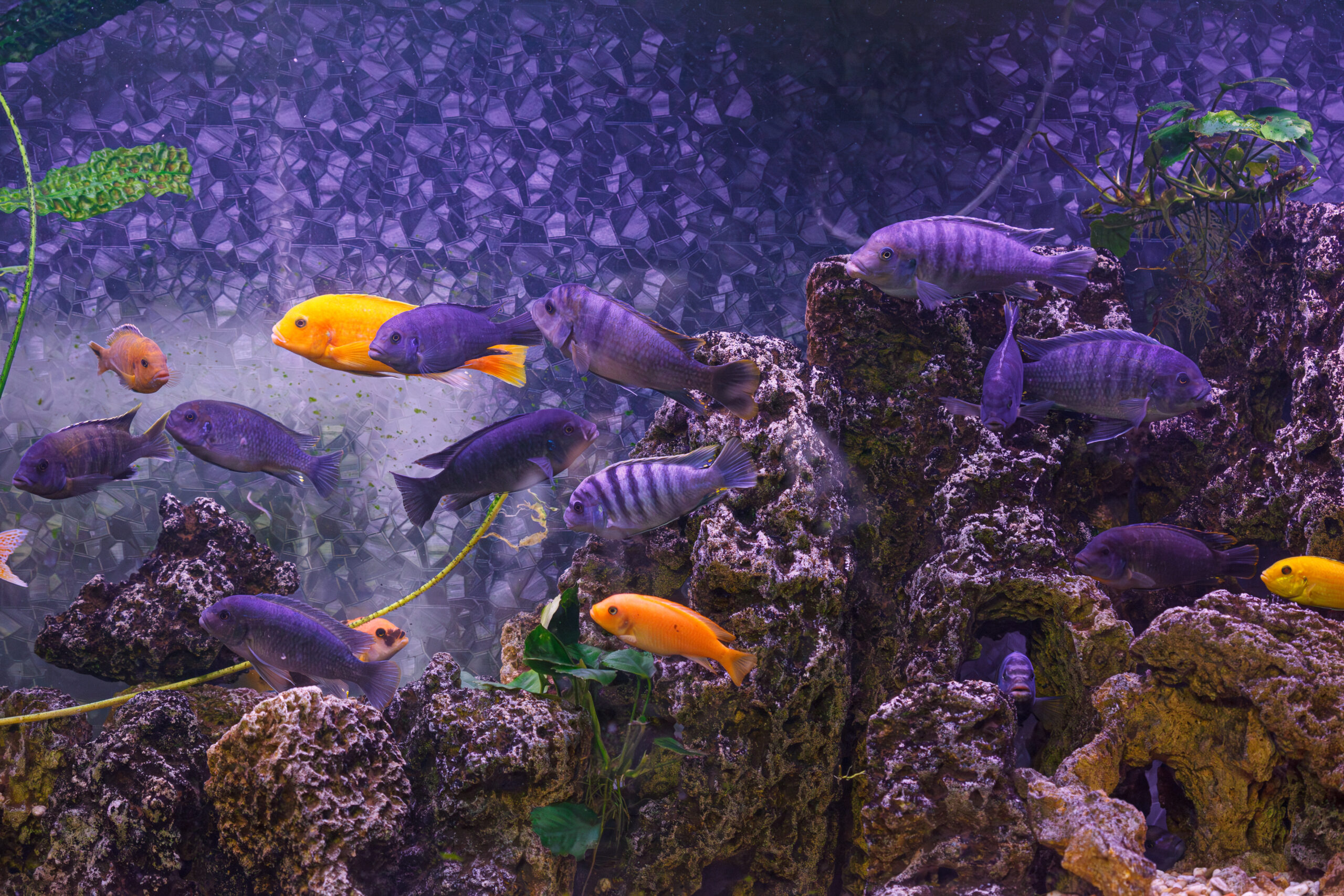
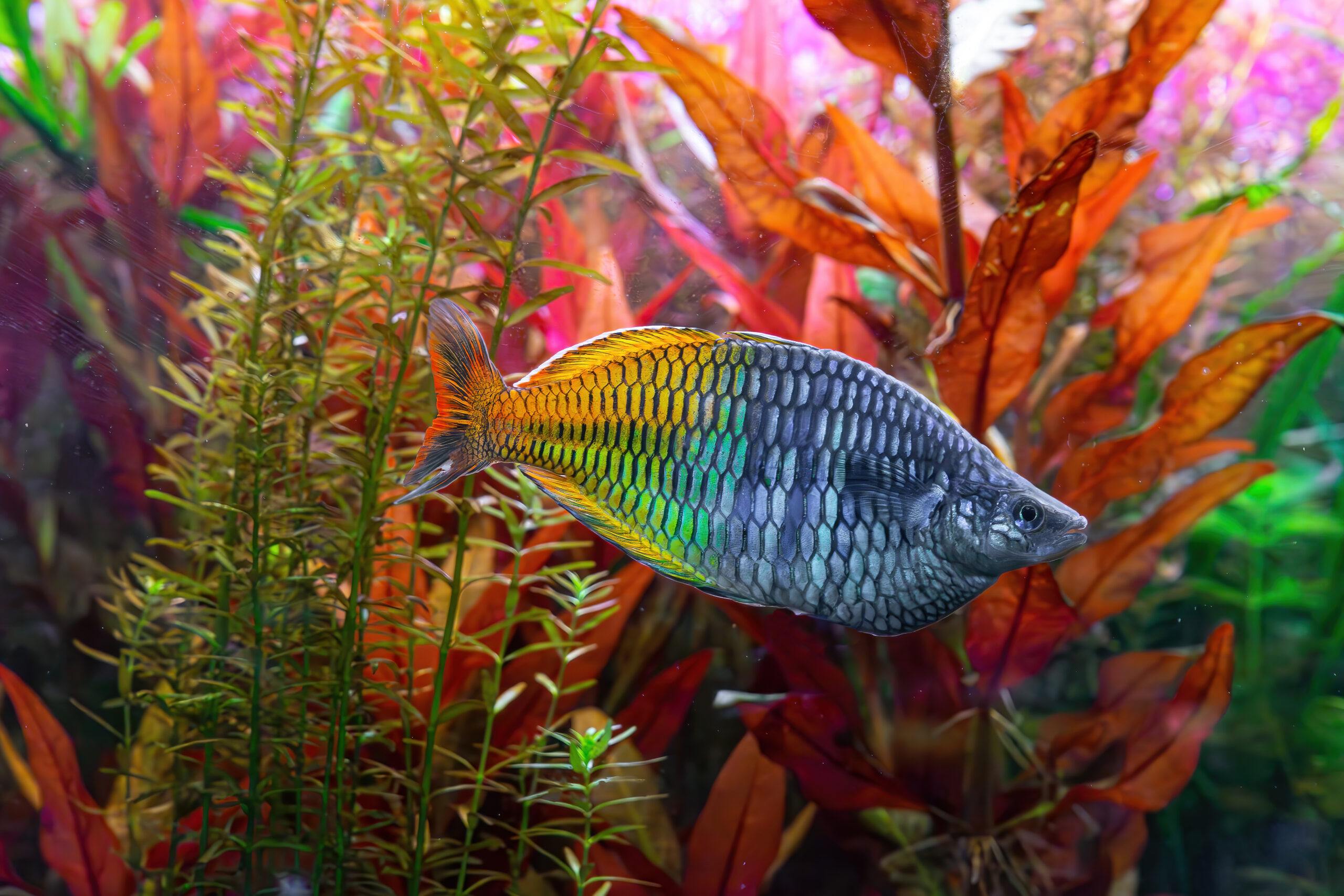
However, freshwater aquariums are not colourless. Discus, rainbowfish, killifish, dwarf cichlids, tetras and livebearers can produce vibrant displays.
Freshwater plants also provide many shades of green, bronze and red. Their natural textures can create depth and movement that artificial decorations cannot easily reproduce.
The visual difference is often about style rather than the amount of colour. Marine tanks can create a bright reef environment, while planted freshwater aquariums may resemble submerged forests or river landscapes.
Choose the appearance you find most appealing and can realistically maintain.
Which Aquarium Is More Relaxing?
Both freshwater and marine aquariums can create a visually engaging and potentially calming focal point.
A planted freshwater aquascape may provide gentle movement, natural greenery and schooling fish. Its appearance can be soft, balanced and understated.
A marine aquarium may feature stronger colours, active fish and moving corals. It can feel bright and energetic while still providing an attractive point of focus.
The most relaxing aquarium is usually one that is healthy and manageable. A system affected by recurring equipment failures or water-quality problems is unlikely to feel peaceful to its owner.
Choose a design that fits your experience, budget and available time. Long-term confidence is more valuable than choosing the most complex option.
Freshwater Aquariums for Homes
Freshwater aquariums suit a wide variety of domestic settings. They can be installed in living rooms, dining areas, home offices and appropriate family spaces.
A medium-sized tropical community tank is a practical choice for many homes. It offers good water stability, varied livestock options and manageable equipment requirements.
Planted aquariums can complement contemporary and traditional interiors. Custom cabinetry can coordinate the aquarium with surrounding furniture.
Families should choose secure cabinets and lids, keeping electrical cables and maintenance products away from children and pets.
The aquarium should be positioned away from direct sunlight, radiators and busy walkways. Adequate maintenance access must always be preserved.
Marine Aquariums for Homes
A marine aquarium can become a spectacular home feature, particularly when incorporated into a living area, dining space or purpose-designed alcove.
The installation needs enough room for life-support equipment, water preparation and maintenance. A sump is often housed beneath the tank, while purified-water containers may need additional storage.
Marine systems should be positioned where temperature remains stable and evaporation can be managed. Ventilation may be needed inside enclosed cabinetry.
The owner must also consider what will happen during holidays, power interruptions or equipment failures. Monitoring devices and professional support can offer additional reassurance.
A professionally planned marine aquarium can be highly rewarding, but it should be treated as a long-term commitment.
Freshwater and Marine Aquariums for Businesses
Freshwater aquariums are popular in offices, reception areas, care settings and other commercial environments because they can provide visual impact with relatively straightforward maintenance.
Planted displays can support natural interior design, while colourful community tanks can engage visitors and employees.
Marine aquariums are often selected for premium hotels, restaurants and customer-facing venues where a dramatic feature is desired.
Commercial systems require a clear maintenance agreement. Staff should not be expected to manage specialist equipment unless they have received suitable training.
The design must also consider noise, customer movement, access outside opening hours and holiday care.
Both freshwater and marine aquariums can work well commercially when they are professionally specified and consistently maintained.
Is a Freshwater Aquarium Right for You?
A freshwater aquarium may be the right choice if you want a manageable introduction to fishkeeping, a lower initial budget or a natural planted display.
It is also suitable if you prefer freshwater fish, shrimp or plants and want a wide range of tank-size options.
Freshwater systems can still be advanced. A large aquascape with specialist plants and automated equipment may provide years of challenge for an experienced owner.
Choosing freshwater does not mean choosing an inferior aquarium. Many award-winning aquascapes and impressive bespoke installations are entirely freshwater.
It simply provides a different combination of livestock, aesthetics and technical requirements.
Is a Marine Aquarium Right for You?
A marine aquarium may be right for you if saltwater fish, corals and reef environments are your main interest.
You should be prepared for a higher initial investment, specialist water preparation and more detailed testing. Patience and consistency are essential.
Before purchasing livestock, research its adult size, compatibility, diet and environmental requirements. Plan the entire potential stocking list rather than buying species individually without a strategy.
Professional installation and maintenance can make marine ownership more manageable, especially for large reef displays.
If you are genuinely enthusiastic about marine life and willing to provide the required care, a saltwater aquarium can be an exceptionally rewarding project.
Questions to Ask Before Deciding
Begin by asking which livestock you most want to keep. If your main interest is live plants and small community fish, freshwater is the natural choice. If you are inspired by corals and reef fish, marine may be worth the additional commitment.
Consider your total budget, including equipment, livestock, electricity and maintenance. Think about how much time you can provide and who will care for the aquarium during holidays.
Assess the available space. Marine equipment may need more cabinet or service-room capacity than a simple freshwater setup.
Be honest about your confidence in testing water and following a maintenance schedule. There is no disadvantage in starting with a simpler system and developing your knowledge over time.
Most importantly, choose an aquarium that can provide appropriate conditions for its inhabitants throughout their lives.
Freshwater or Marine: The Final Decision
Freshwater aquariums are generally more economical, flexible and beginner-friendly. They offer an exceptional range of fish, plants and aquascaping styles.
Marine aquariums provide access to distinctive saltwater fish, corals and reef environments. They normally require a larger budget, more equipment and closer management.
The correct choice depends on what you want from the aquarium and what you can consistently provide. Neither system will succeed without appropriate cycling, stocking, feeding and maintenance.
A carefully planned freshwater aquarium is better than a marine aquarium that exceeds the owner’s time or budget. Equally, someone deeply interested in marine life may be happier investing in a properly designed saltwater system from the beginning.
Professional advice can help turn your preferences into a realistic aquarium plan.
Aquarium Design and Installation from Matthews Aquatic Paradise Ltd
Matthews Aquatic Paradise Ltd provides professional freshwater and marine aquarium design, installation, aquascaping and maintenance for homes and businesses throughout the UK.
Every aquarium can be planned around your available space, preferred livestock, experience and budget. The design process considers tank dimensions, structural support, filtration, heating, lighting, water preparation and long-term maintenance.
Whether you want a peaceful tropical community, natural planted aquascape or striking marine display, Matthews Aquatic Paradise Ltd can help you choose a system that is attractive, practical and appropriate for its inhabitants.
To discuss your freshwater or marine aquarium project, visit www.matthewsaquaticparadise.co.uk, email info@matthewsaquaticparadise.co.uk or call 0330 043 6994.
Aquarium requirements vary according to tank size, water chemistry, equipment and livestock. Always research each species carefully and seek appropriate professional or veterinary advice when required.