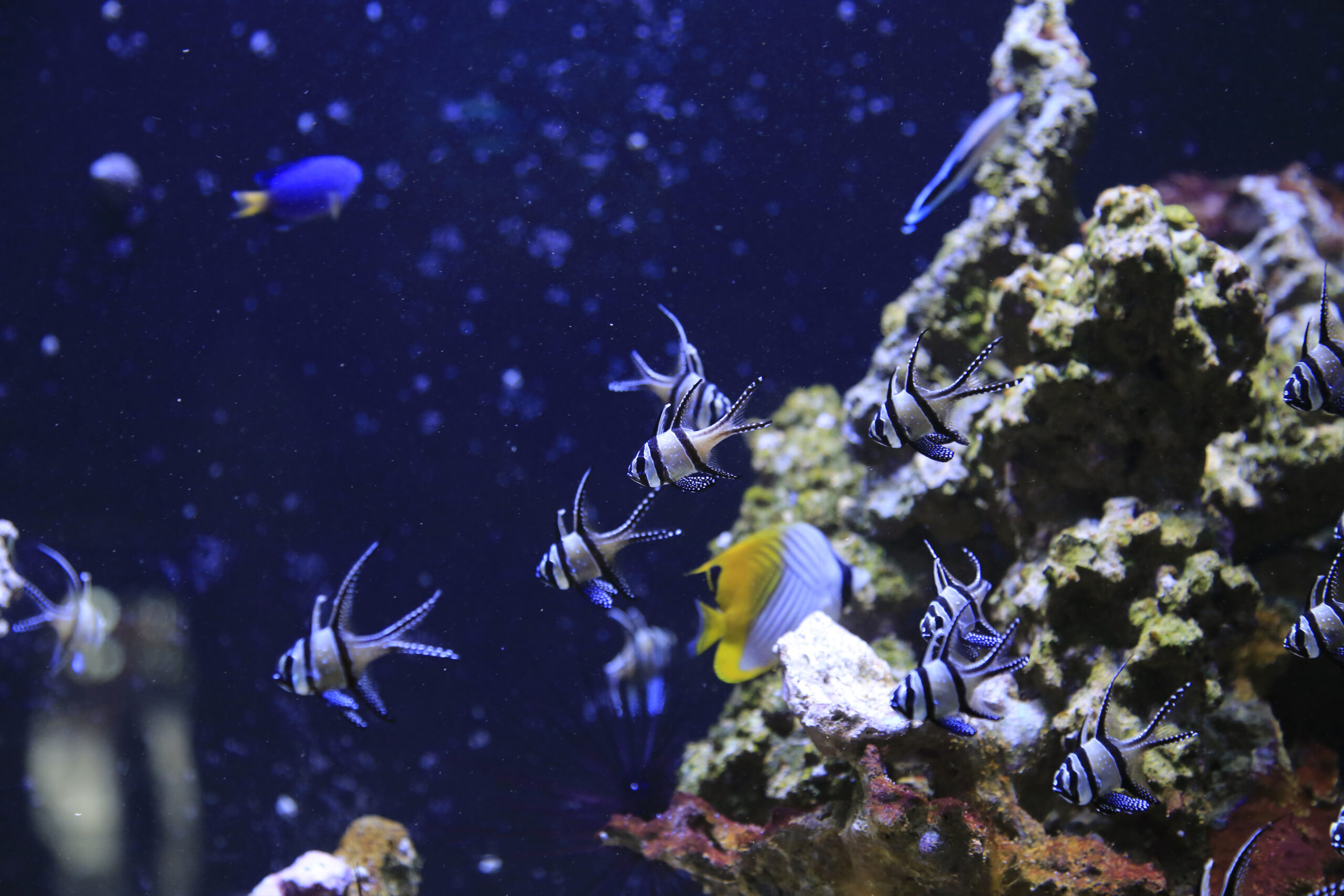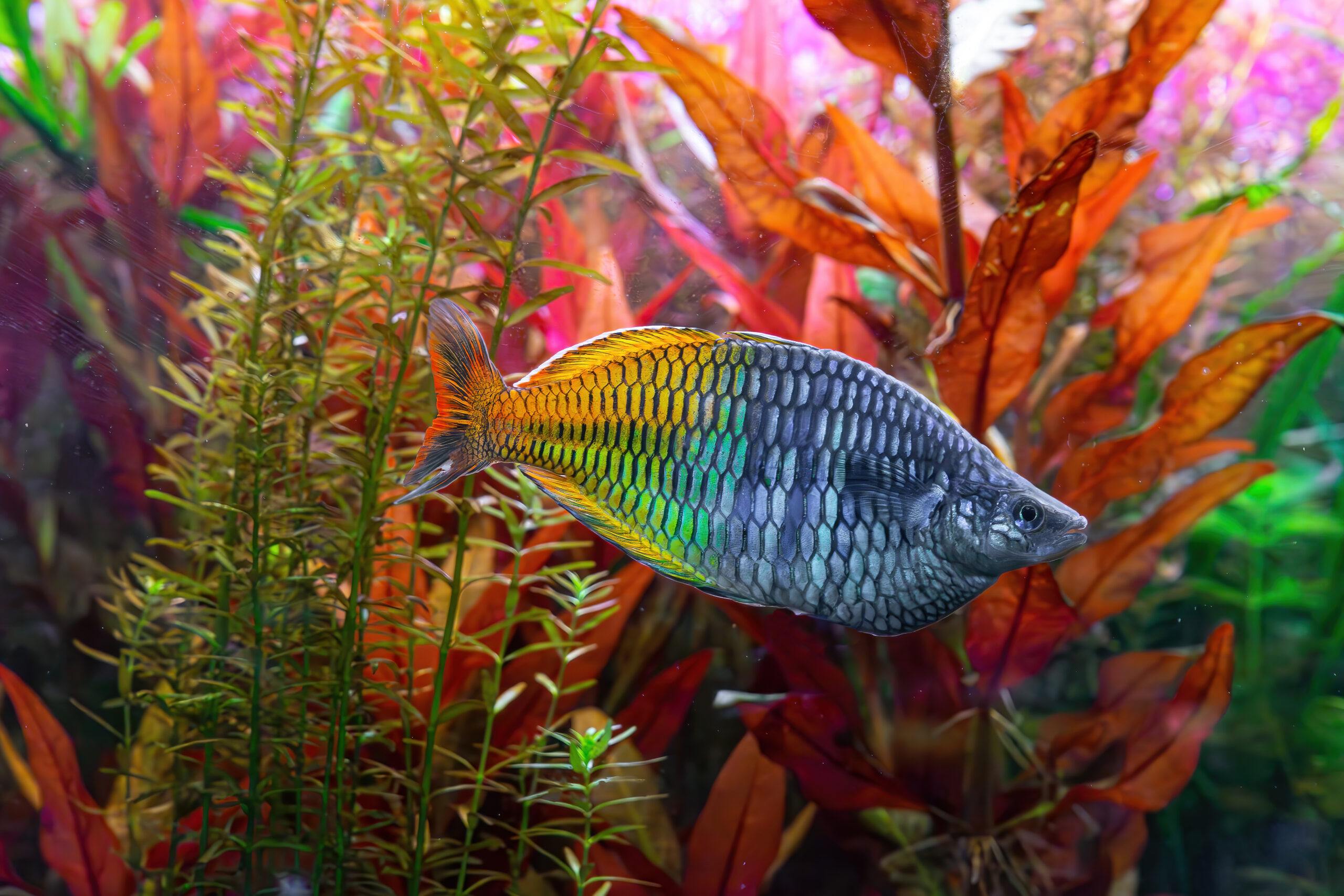
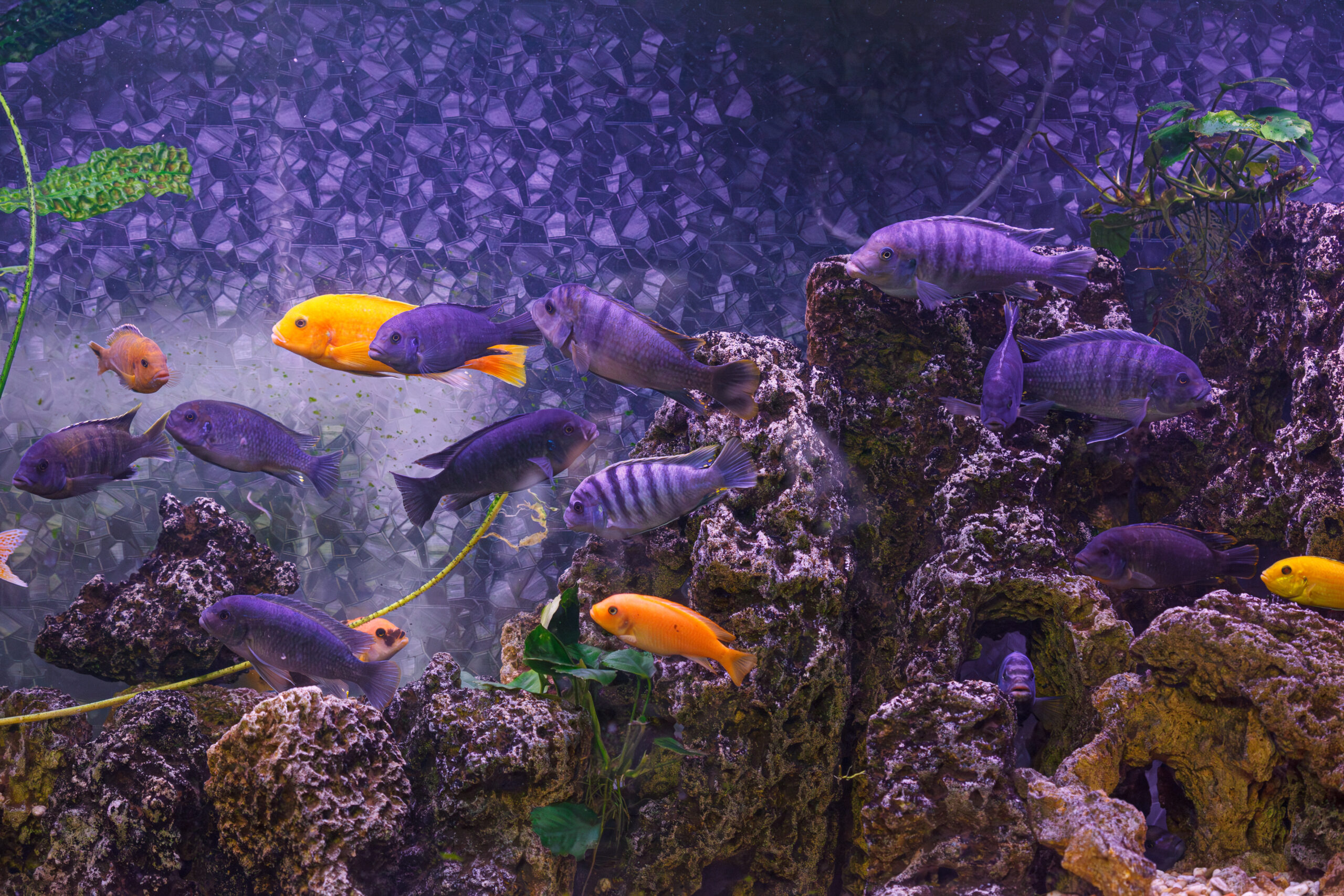
A colourful community aquarium can contain several fish species living together peacefully. However, successful stocking requires careful planning. Fish should never be selected solely because of their appearance.
Adult size, temperament, water requirements, social behaviour and swimming level must all be considered before a fish enters the aquarium.
Research the Adult Size
Many fish sold in aquatic shops are juveniles. A small fish may eventually become too large for the aquarium or require more swimming space than expected.
Research the adult size of every species and consider its activity level. Some smaller fish are energetic swimmers and need a longer aquarium, while certain larger species may be relatively calm but produce considerably more waste.
Compare Water Requirements
Fish sharing an aquarium should have compatible requirements for temperature, pH and water hardness. Combining species with very different needs can cause chronic stress, even if they appear peaceful.
It is usually better to choose fish suited to your existing water conditions than to constantly alter the water with chemicals. Stable, appropriate conditions are essential for long-term fish health.
Understand Temperament
Not every attractive fish is suitable for a peaceful community. Some species are territorial, aggressive or likely to nip fins. Others may become predatory as they grow.
Consider how each fish behaves during feeding, breeding and territory formation. Aquarium size, decoration and the number of hiding places can also influence aggression.
Keep Social Fish in Suitable Groups
Many popular community fish are naturally social and should be kept in groups. Tetras, rasboras and Corydoras catfish often display more natural behaviour when maintained in suitable numbers.
Keeping too few may cause stress, nervous behaviour or aggression between individuals. Always research the recommended group size before purchasing.
Consider Every Swimming Level
A balanced community aquarium can include species that occupy different areas of the tank. Surface, middle and bottom-dwelling fish reduce competition for space and create activity throughout the display.
Avoid overcrowding any one area. Bottom-dwelling fish still require adequate floor space, shelter and suitable substrate.
Plan the Aquarium Before Buying Fish
Create a complete stocking plan before making purchases. Consider:
- The aquarium’s volume and dimensions
- Filtration capacity
- Adult fish sizes
- Group requirements
- Feeding needs
- Temperament
- Water parameters
- Swimming and territorial space
Stocking should be gradual. Adding too many fish at once can overwhelm the biological filter and cause ammonia or nitrite levels to rise.
Quarantine New Arrivals
A separate quarantine aquarium can help prevent diseases and parasites from entering the main display. New fish should be observed for signs of illness and given time to recover from transportation stress.
When transferring fish, avoid adding shop water to the aquarium. Use careful acclimation suited to the species and the difference between water conditions.
Seek Professional Fish Advice
Choosing compatible species can become complicated, especially when planning a large aquarium or combining several groups. Professional guidance helps prevent overcrowding, unsuitable pairings and avoidable livestock losses.
Matthews Aquatic Paradise Ltd offers fish consultations, aquarium health checks, bespoke design, installation and ongoing maintenance. We can help you develop a responsible stocking plan based on your aquarium and experience.
Visit www.matthewsaquaticparadise.co.uk to discover how we can help bring your ideal aquarium to life.