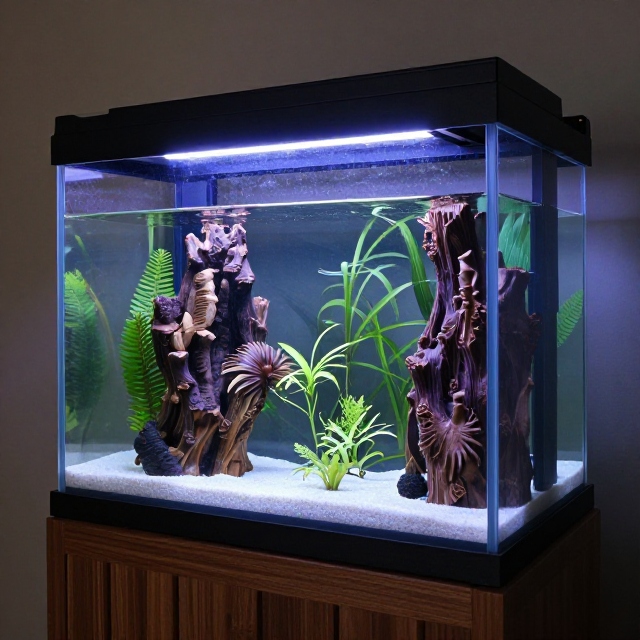
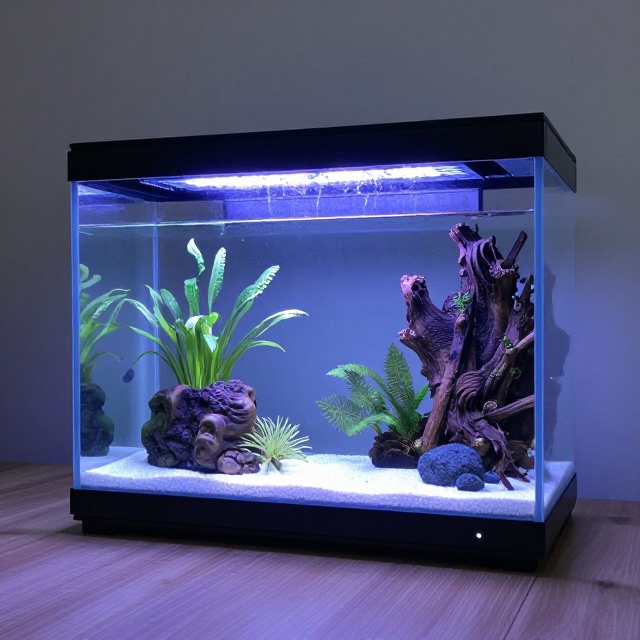
A beautiful aquarium can completely transform a room. Whether you have a small planted tank, a colourful tropical fish aquarium or a professionally designed aquascape, a well-maintained aquarium provides an impressive living feature that can be enjoyed every day.
However, keeping an aquarium looking its best requires more than simply feeding the fish and occasionally changing the water. A healthy aquarium is a carefully balanced ecosystem containing fish, plants, beneficial bacteria, filtration, lighting, substrate and water chemistry. When one part of that system becomes unbalanced, problems such as algae, cloudy water, unhealthy plants or stressed fish can quickly develop.
At Matthews Aquatic Paradise Ltd, we understand how important regular aquarium maintenance is for maintaining a healthy and attractive aquatic environment. Established in 2024 and recognised as a UK Enterprise Award Winner 2026, Matthews Aquatic Paradise Ltd provides professional aquarium services including aquascape design and installation, aquarium maintenance, fish consultations, aquarium health checks and planted tank services.
In this complete guide, we look at the essential elements of aquarium maintenance and explain how aquarium owners can create a cleaner, healthier and more stable environment for their fish and plants.
Why Is Regular Aquarium Maintenance Important?
An aquarium may look like a decorative feature, but inside the tank there is a constantly changing biological ecosystem.
Fish produce waste. Uneaten food decomposes. Plants shed leaves. Organic material accumulates within the substrate and filtration system. At the same time, beneficial bacteria process harmful substances produced by these materials.
Without regular maintenance, pollutants can gradually build up and water quality can deteriorate.
Routine aquarium maintenance helps control these problems before they become serious. It can also make it easier to identify early signs of fish illness, equipment problems, algae growth or plant deficiencies.
The goal should not be to make an aquarium completely sterile. Healthy aquariums contain millions of beneficial microorganisms. Instead, maintenance should help maintain a stable biological balance while removing excessive waste and keeping equipment operating efficiently.
Understanding the Aquarium Nitrogen Cycle
One of the most important concepts for any aquarium owner to understand is the nitrogen cycle.
Fish waste, uneaten food and decomposing organic material produce ammonia. Ammonia is toxic to aquarium fish, particularly at higher concentrations.
Fortunately, beneficial bacteria within an established aquarium help process these substances. One group of bacteria converts ammonia into nitrite, which is also toxic. Another group then converts nitrite into nitrate.
Nitrate is generally less immediately harmful than ammonia or nitrite, but excessive nitrate concentrations can still negatively affect aquarium inhabitants and contribute to unwanted algae growth.
Regular partial water changes help control nitrate and other dissolved substances.
This biological filtration system is one reason aquarium filters should not simply be completely sterilised during routine cleaning. Excessive cleaning or replacing all biological filter media at the same time can disrupt beneficial bacterial colonies.
Maintaining biological stability is often more important than trying to make every component of the aquarium look perfectly clean.
How Often Should You Change Aquarium Water?
There is no universal water-change schedule suitable for every aquarium.
The correct frequency depends on several factors, including aquarium size, stocking level, fish species, filtration, feeding habits, plant density and water chemistry.
Many established freshwater aquariums benefit from regular partial water changes rather than infrequent complete changes.
Partial changes allow accumulated substances to be removed while maintaining greater stability within the aquarium.
Testing your aquarium water provides useful information when determining an appropriate maintenance schedule. Parameters such as ammonia, nitrite, nitrate and pH can provide an indication of aquarium conditions.
A heavily stocked aquarium may require more frequent maintenance than a lightly stocked planted aquarium.
Consistency is particularly important. Aquarium fish can become stressed by sudden changes in temperature or water chemistry, so replacement water should be prepared appropriately for the species being kept.
Never Forget Water Conditioner
Tap water in the UK is treated to make it safe for human consumption, but substances used in water treatment may not be suitable for aquarium fish or beneficial bacteria.
An appropriate aquarium water conditioner should therefore be used when adding tap water to an aquarium where required.
Always follow the manufacturer’s instructions for the product you are using.
Temperature is another consideration. Adding water that is dramatically warmer or colder than the aquarium can cause unnecessary stress.
Careful preparation during water changes helps reduce sudden environmental changes.
Cleaning Aquarium Glass
Algae growing on aquarium glass is one of the most common maintenance issues.
Small amounts of algae are normal and do not necessarily indicate that an aquarium is unhealthy. However, excessive algae can make the aquarium unattractive and may indicate an imbalance involving lighting, nutrients or maintenance.
Aquarium-safe algae cleaning equipment can be used to clean the inside glass.
Avoid household cleaning chemicals inside an aquarium. Products designed for kitchens, bathrooms and windows can contain substances that are dangerous to aquatic animals.
Persistent algae should be treated as a symptom rather than simply a cosmetic problem.
Consider factors including how long the aquarium lights remain on, whether direct sunlight reaches the aquarium, nutrient levels, feeding and plant health.
Correcting the underlying cause can often produce better long-term results than repeatedly removing the visible algae.
Aquarium Filter Maintenance
Your aquarium filter is one of the most important pieces of equipment in the entire system.
Filters generally provide mechanical, biological and sometimes chemical filtration.
Mechanical filtration captures physical debris. Biological filtration provides surfaces where beneficial bacteria can establish themselves. Chemical filtration may use specialised media for particular purposes.
Over time, mechanical filter material can become clogged with waste. This can reduce water flow and affect filtration performance.
Filter maintenance should therefore form part of your regular aquarium routine.
However, avoid unnecessarily sterilising biological filter media.
When appropriate for the filter and system, biological media can often be gently rinsed using removed aquarium water rather than untreated tap water. Always follow the instructions provided by the filter manufacturer.
Check pumps, impellers, hoses and intake areas for blockages or excessive debris.
Reduced flow can sometimes be the first sign that your filtration equipment needs attention.
Cleaning Aquarium Substrate
Gravel and other aquarium substrates can collect uneaten food, fish waste and plant debris.
In suitable aquariums, a gravel vacuum can remove debris while simultaneously removing water during a partial water change.
Planted aquariums require slightly different considerations.
Aquatic plants establish root systems within the substrate, and aggressive cleaning can disturb them. Aquascapes may also contain carefully positioned soil, sand, stones and decorative materials that should not be unnecessarily disturbed.
Instead, visible debris can often be carefully removed from accessible areas.
The maintenance technique should always reflect the aquarium’s design.
A traditional gravel aquarium and a heavily planted Nature Aquarium may require very different maintenance approaches.
Maintaining Aquarium Plants
Healthy aquarium plants can dramatically improve the appearance of a freshwater aquarium.
Plants can also contribute to the aquarium ecosystem by absorbing nutrients and providing shelter for fish and other aquatic inhabitants.
However, planted tanks require ongoing care.
Fast-growing plants may need regular trimming. Dead or deteriorating leaves should generally be removed before they break down within the aquarium.
Some plants can be propagated from healthy cuttings, allowing an established aquascape to become denser over time.
Plant growth should also be monitored for signs of nutrient deficiencies.
Yellowing leaves, holes, weak growth or unusual discolouration may indicate that lighting, nutrients, carbon availability or other growing conditions need attention.
Rather than automatically adding more fertiliser, consider the aquarium as a complete system.
Successful planted aquarium maintenance is about achieving balance between lighting, nutrients, plant mass and overall tank conditions.
Controlling Aquarium Algae
Almost every aquarium owner encounters algae.
Common forms can include green algae, brown diatom growth, hair algae and other varieties.
Some algae are normal, particularly in relatively new aquariums.
Excessive growth, however, can indicate that conditions favour algae more strongly than healthy plant growth.
Lighting is one of the first factors to examine.
Leaving aquarium lights on for excessively long periods can encourage algae. Direct sunlight can create similar problems.
Overfeeding may also contribute by introducing excess nutrients into the aquarium.
Regular maintenance, sensible feeding, healthy plant growth and an appropriate lighting schedule can all help.
Certain aquarium animals may consume some algae, but no fish, shrimp or snail should be treated as a replacement for proper aquarium maintenance.
Always research the needs and compatibility of any animal before introducing it to your aquarium.
Avoid Overfeeding Your Fish
Overfeeding is one of the easiest aquarium mistakes to make.
Fish often appear enthusiastic when food approaches the aquarium, which can encourage owners to provide more food than necessary.
Food that is not eaten can sink into the substrate and decompose.
Excess feeding can therefore increase waste, place additional demand on filtration and negatively affect water quality.
Different fish have different nutritional requirements, so research the species you keep and choose suitable foods.
Variety may also be beneficial for some species.
Monitor how quickly food is consumed and adjust quantities where necessary.
A cleaner aquarium often begins with sensible feeding.
Observe Your Fish Every Day
One of the simplest forms of aquarium maintenance does not require any equipment.
Look at your fish.
Regular observation allows you to become familiar with their normal behaviour. This makes unusual behaviour easier to identify.
Watch for changes such as loss of appetite, unusual swimming, hiding, rapid breathing, damaged fins, spots, swelling or colour changes.
Not every behavioural change indicates disease, but early identification gives you an opportunity to investigate the cause.
Also examine the aquarium environment.
Is the filter operating normally? Is the heater functioning? Are plants healthy? Has algae suddenly increased? Has the water become cloudy?
Small changes can provide useful clues about developing problems.
Check Aquarium Equipment Regularly
Aquarium equipment should never simply be installed and forgotten.
Filters, heaters, lighting systems, air pumps and other equipment can eventually develop faults.
Regularly inspect equipment for signs of deterioration or unusual operation.
Check that the aquarium temperature remains appropriate for the species being kept.
Inspect cables and electrical equipment carefully and follow manufacturer safety instructions.
Water and electricity require particular care, so damaged electrical aquarium equipment should not be ignored.
Equipment maintenance is especially important for larger aquariums or systems containing sensitive livestock.
Maintaining an Aquascape
Aquascaping combines aquarium keeping with artistic design.
Styles such as Iwagumi, Jungle, Dutch, Nature Aquarium, Biotope and Nano aquascapes can create completely different underwater environments.
However, maintaining an aquascape involves more than cleaning the glass.
Plants need trimming to preserve the intended composition. Carpet plants may require attention to prevent excessive thickness. Stem plants may need pruning and replanting. Mosses can require shaping.
Hardscape materials such as stone and wood may also need careful cleaning.
The objective is to maintain the visual structure of the aquascape without constantly disturbing the biological environment.
At Matthews Aquatic Paradise Ltd, our aquascaping services are designed around both appearance and long-term aquarium care.
A successful aquascape should not simply look impressive immediately after installation. It should be designed so that it can mature and develop into an attractive aquatic environment.
Common Aquarium Maintenance Mistakes
One of the biggest aquarium maintenance mistakes is making too many changes at once.
If you completely clean the aquarium, replace filter media, dramatically alter the water parameters and rearrange everything simultaneously, you may create instability.
Another mistake is reacting to every minor problem with chemicals.
Aquarium treatments can have legitimate uses, but identifying the underlying cause of a problem should come first whenever possible.
Overstocking can also make aquarium maintenance considerably more difficult.
More fish generally means more waste and greater demand on filtration.
Choosing livestock appropriate for the aquarium’s size and conditions can make maintaining good water quality significantly easier.
Finally, inconsistency is a common problem.
An aquarium that receives regular, sensible maintenance will often be easier to manage than one that receives intensive cleaning only when it begins looking unhealthy.
Benefits of Professional Aquarium Maintenance
Not everyone has the time or confidence to maintain an aquarium themselves.
Businesses, busy households and owners of larger or more complex aquariums may prefer professional aquarium maintenance.
A professional aquarium service can provide routine checks, water changes, cleaning and ongoing observations while helping owners identify developing problems.
Professional maintenance can be particularly useful for planted tanks and aquascapes where trimming and presentation are important.
At Matthews Aquatic Paradise Ltd, aquarium maintenance services are available from £75, depending on the aquarium and work required.
Our services are designed to help aquarium owners maintain attractive, healthy aquatic environments while reducing the stress associated with routine tank care.
Professional Aquarium Health Checks
Sometimes an aquarium simply does not look right.
Perhaps fish behaviour has changed, algae has suddenly increased, plants are deteriorating or water quality appears unstable.
An aquarium health check can help identify potential problems.
Rather than treating individual symptoms without understanding their cause, reviewing the aquarium as a complete system can provide a clearer picture.
Factors such as filtration, stocking, maintenance, feeding, water parameters, plant condition and equipment can all influence aquarium health.
Matthews Aquatic Paradise Ltd offers aquarium health checks and fish consultations to help aquarium owners better understand their aquatic environments.
Professional Aquascape Design and Installation
Aquarium maintenance is easier when the aquarium has been properly planned from the beginning.
An aquascape should take account of aquarium dimensions, plant requirements, filtration, lighting, livestock and the amount of maintenance the owner is comfortable performing.
For customers looking for something distinctive, Matthews Aquatic Paradise Ltd provides professional aquascape design and installation services.
Available styles can include low-tech planted aquascapes, Jungle Style, Nature Aquarium, Iwagumi Style, Dutch Style, Biotope aquascapes, Nano aquascapes and fully bespoke premium designs.
A professionally planned aquascape can create a striking focal point for a home, office or commercial environment.
Create an Aquarium Maintenance Routine
Consistency is one of the best ways to keep an aquarium healthy.
Daily tasks may include checking the fish, temperature and equipment while providing appropriate food.
Regular tasks can include checking water conditions, removing visible debris, maintaining plants and completing partial water changes when required.
Longer-term tasks can include filter servicing, equipment inspection and more detailed aquascape maintenance.
The exact schedule should always be adapted to the individual aquarium.
A lightly stocked 200-litre planted aquarium may behave very differently from a heavily stocked smaller aquarium.
Rather than blindly following a universal timetable, learn how your aquarium behaves and adjust maintenance accordingly.
Why Choose Matthews Aquatic Paradise Ltd?
Matthews Aquatic Paradise Ltd was established in 2024 with a focus on providing high-quality aquarium and aquascaping services.
As a UK Enterprise Award Winner 2026, we are proud to help customers create and maintain aquatic environments that combine visual impact with responsible aquarium care.
Our aquarium services include:
- Professional aquascape design and installation
- Aquarium maintenance from £75
- Aquarium health checks
- Fish consultations
- Planted aquarium services
- Aquascape maintenance
- Aquarium troubleshooting and support
Whether you already own an established aquarium or are considering creating a completely new aquascape, professional guidance can help you make informed decisions about your setup.
Final Thoughts: A Healthy Aquarium Starts With Consistent Care
Aquarium keeping is incredibly rewarding, but the best results come from understanding that an aquarium is a living ecosystem rather than simply a decorative container.
Regular water changes, appropriate filtration, sensible feeding, plant care, equipment checks and careful observation all contribute to long-term aquarium health.
Avoid chasing perfection through excessive cleaning. Instead, aim for stability.
A mature aquarium should develop into a balanced environment where fish, plants, beneficial bacteria and equipment work together.
When maintained correctly, an aquarium can become one of the most impressive features in a home or business.
If you would like professional assistance with your aquarium, Matthews Aquatic Paradise Ltd provides aquarium maintenance, aquascaping, fish consultations, health checks and planted tank services.
From routine maintenance to complete aquascape design and installation, Matthews Aquatic Paradise Ltd can help you create an aquarium designed to look beautiful and thrive for the long term.