Freshwater swordtails are colourful, active and popular community aquarium fish that can make an excellent addition to a well-maintained tropical aquarium. Known for the distinctive sword-shaped extension on the male’s tail, swordtails are lively livebearers that are relatively straightforward to care for when provided with suitable water conditions, enough swimming space and a balanced diet. In this guide, Matthew’s Aquatic Paradise Ltd explores everything you need to know about keeping healthy and happy freshwater swordtails.
What Are Swordtails?
Swordtails are freshwater livebearing fish belonging to the genus Xiphophorus. The most commonly kept aquarium swordtail is Xiphophorus hellerii. They originate from parts of Central America, where they can be found in freshwater environments including streams, rivers and pools. Their attractive appearance, active behaviour and variety of colours have made them a popular choice among tropical fishkeepers.
Male swordtails are particularly recognisable because of the elongated lower portion of their tail fin, which resembles a sword. Females generally have a rounded tail without this extension and are usually larger and more robust in appearance. Swordtails are available in numerous aquarium varieties and colours, including red, orange, black, green and combinations of different shades.
How Big Do Swordtails Get?
Swordtails are relatively large compared with some other popular livebearers. Adult males can commonly reach around 10–12 cm in length, while females may grow larger, sometimes reaching approximately 12–15 cm depending on their environment, genetics and diet. Their active swimming behaviour means they benefit from an aquarium that provides plenty of horizontal swimming space.
When planning an aquarium for swordtails, remember that the adult size of the fish is more important than their size when purchased. A group of small juvenile swordtails may look perfectly comfortable in a smaller aquarium initially, but they will require considerably more space as they mature.
What Size Aquarium Do Swordtails Need?
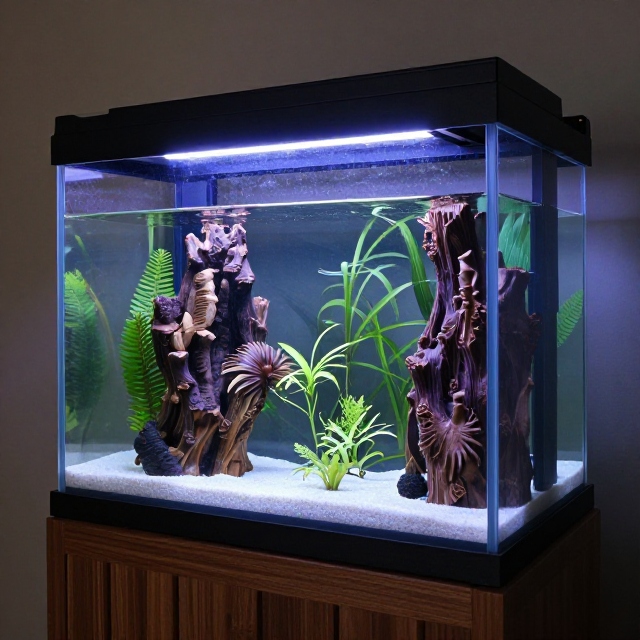
A suitably sized aquarium is essential for keeping swordtails successfully. Because they are active swimmers, a longer aquarium is generally preferable to a tall, narrow aquarium. For a small group, an aquarium of around 100 litres or more can provide a good starting point, with larger aquariums being preferable for bigger groups or community setups.
The aquarium should have a secure lid because active swordtails can occasionally jump, particularly when startled. Providing open swimming areas alongside planted sections can create an attractive and practical environment.
Water Temperature and Water Conditions
Swordtails are tropical freshwater fish and require stable, appropriate water conditions. A temperature of approximately 22–28°C is commonly suitable, although stability is particularly important. Rapid changes in temperature or water chemistry can place unnecessary stress on fish.
Swordtails generally appreciate neutral to moderately alkaline water. A pH around 7.0–8.0 can be suitable, while moderate to harder water is often preferred. Water hardness and mineral content should be considered when planning a swordtail aquarium, especially if your local tap water is particularly soft.
Rather than concentrating on achieving an exact number, aquarium keepers should aim for stable water parameters that are appropriate for swordtails and avoid sudden changes.
Filtration and Water Quality
Good filtration plays an important role in maintaining a healthy swordtail aquarium. A suitable filter helps remove waste, circulate the water and provide surfaces for beneficial bacteria involved in biological filtration.
However, filtration should not be considered a replacement for regular maintenance. Routine partial water changes, monitoring water parameters and removing accumulated waste are important parts of responsible aquarium care.
Overfeeding can contribute to poor water quality because uneaten food and excess waste can increase pollution within the aquarium. Feeding sensible portions and maintaining the aquarium regularly can help keep water quality under control.
Setting Up a Swordtail Aquarium
Swordtails appreciate an aquarium that combines swimming space with areas of cover. Aquarium plants can provide shelter and make the environment more interesting while also helping create a natural-looking aquascape.
Hardy plants can be particularly useful for beginners. Tall plants can provide background cover, while smaller plants can be positioned around rocks and wood. It is important to leave sufficient open space for swordtails to swim freely.
A natural aquascape can combine plants, substrate, rocks and driftwood to create an attractive underwater environment. Swordtails are active fish, so avoid filling every part of the aquarium with decorations and plants.
Can Swordtails Live in a Community Aquarium?
Yes, swordtails can work well in peaceful community aquariums when their tank mates have compatible requirements. Suitable companions may include other peaceful tropical freshwater fish that enjoy similar water temperatures and conditions.
However, fish compatibility should always be considered before adding new species. Avoid combining swordtails with aggressive or highly territorial fish that may harass them. Very small, slow-moving or delicate fish may also be unsuitable depending on the individual aquarium.
Aquarium size, filtration, water parameters, temperament and adult fish size should all be considered when planning a community aquarium.
How Many Swordtails Should You Keep?
Swordtails are social and active fish, but they do not need to be kept in very large groups. If keeping both males and females, maintaining more females than males is generally recommended because males may repeatedly pursue females.
A commonly used ratio is one male to several females. This can help spread male attention between females rather than having a single female constantly pursued.
If you do not want swordtail fry, keeping males and females separately may be worth considering because swordtails are prolific livebearers.
What Do Swordtails Eat?
Swordtails are omnivorous and benefit from a varied diet. A good-quality tropical fish food can form the foundation of their diet, supplemented with suitable vegetable-based foods and occasional treats.
Their diet can include quality flakes or pellets alongside suitable frozen or live foods. Vegetable matter is also beneficial, and foods containing spirulina or other plant ingredients can be useful additions.
Feed small amounts that the fish can consume quickly rather than providing excessive quantities. Overfeeding is one of the common causes of declining aquarium water quality.
Swordtail Breeding
Swordtails are livebearers, meaning females give birth to free-swimming young rather than laying eggs. They can reproduce readily in suitable aquarium conditions.
A mature female can produce a significant number of fry, and breeding can happen regularly. If you intend to raise the young, providing dense plants or dedicated breeding areas can give fry places to hide from adult fish.
However, not every aquarium keeper wants to breed swordtails. If population control is important, carefully consider whether males and females should be kept together.
How to Tell Male and Female Swordtails Apart
Sexing swordtails becomes easier as they mature. The most obvious feature of an adult male is the elongated lower section of the tail fin, known as the sword. Males also have a modified anal fin called a gonopodium, which is used during reproduction.
Females generally have a rounded anal fin and lack the sword-shaped tail extension. Females are also often larger-bodied than males.
Understanding the sex of your fish is particularly important if you want to control breeding and maintain a suitable male-to-female ratio.
Common Swordtail Health Problems
Like all aquarium fish, swordtails can experience health problems if environmental conditions are poor or if they are exposed to stress. Poor water quality, overcrowding, unsuitable temperature and inadequate nutrition can all increase the risk of health issues.
Signs that a swordtail may be unwell can include loss of appetite, unusual swimming behaviour, clamped fins, rapid breathing, white spots, abnormal growths or hiding more than usual.
If you notice unusual behaviour or physical symptoms, check the aquarium’s water parameters and review recent maintenance, feeding and stocking practices. Where necessary, seek advice from an appropriately qualified aquatic or veterinary professional.
How to Keep Swordtails Healthy
The best way to support healthy swordtails is to provide suitable aquarium conditions from the beginning. Maintain stable water parameters, perform regular partial water changes, avoid overstocking and provide a nutritious varied diet.
Good filtration, appropriate aquarium temperature and sensible stocking are also important. Regular observation is valuable because noticing changes in behaviour or appearance early can help you identify potential problems before they become more serious.
Swordtails and Aquascaping
Swordtails can look particularly impressive in a well-planned planted aquarium. Their bright colours can contrast beautifully with green aquarium plants, natural stones and driftwood.
When designing an aquascape for swordtails, remember that the fish need plenty of open swimming space. Instead of creating a densely planted layout throughout the entire aquarium, consider placing plants around the sides and rear while leaving a central swimming area.
This approach can provide both an attractive aquascape and a practical environment for active fish.
Final Thoughts
Freshwater swordtails are colourful, energetic and rewarding tropical fish when kept in an appropriately sized and well-maintained aquarium. Their distinctive appearance and active behaviour make them a popular choice for community aquariums, while their livebearing nature can provide an interesting opportunity for aquarists interested in breeding.
The key to successful swordtail keeping is providing adequate space, stable water conditions, suitable filtration, a varied diet, compatible tank mates and regular aquarium maintenance.
At Matthew’s Aquatic Paradise Ltd, we are passionate about aquariums, aquascaping and helping aquarium enthusiasts create beautiful underwater environments. Whether you are setting up your first tropical aquarium, planning a planted aquascape or looking for professional aquarium maintenance, we can help you develop your aquarium with confidence.
Ready to create your own underwater paradise? Contact Matthew’s Aquatic Paradise Ltd today.