Setting up a freshwater aquarium is an exciting way to bring an underwater environment into your home. Whether you are completely new to fishkeeping or an experienced aquarist looking to create a beautiful planted aquarium, a successful setup starts with careful planning.
At Matthew’s Aquatic Paradise Ltd, we believe that understanding your aquarium before adding fish is one of the most important steps towards creating a healthy and attractive freshwater environment.
Choosing the Right Freshwater Aquarium
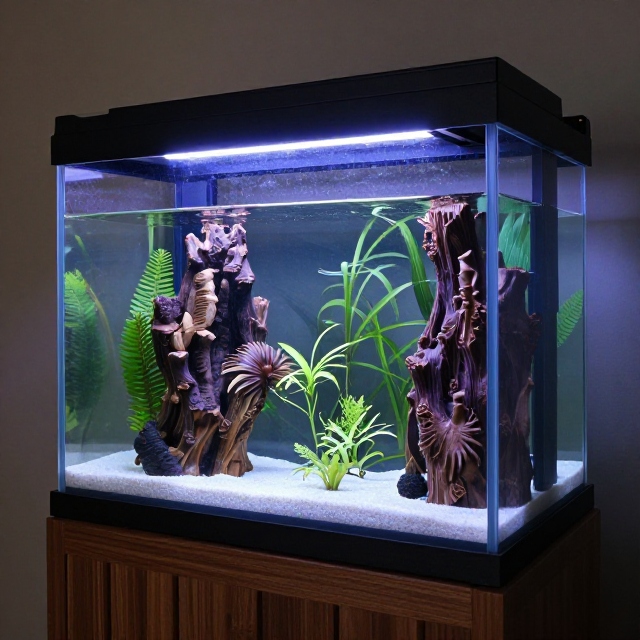
The first step is choosing an aquarium that suits the space available and the fish or aquascape you want to keep. Aquarium size can influence everything from filtration and heating to the number and type of fish you can responsibly keep.
Larger aquariums can sometimes be more forgiving of small changes in water chemistry, while smaller aquariums require careful management because water conditions can change more quickly. Think about the adult size and requirements of your chosen fish rather than buying an aquarium based purely on how small the fish look in the shop.
The shape of the aquarium is also worth considering. A longer tank provides valuable swimming space for active fish, while a planted aquarium may benefit from a design that provides good access to the substrate and plenty of room for plants.
Essential Freshwater Aquarium Equipment
A freshwater aquarium requires several key pieces of equipment. A suitable filter is essential because it helps remove waste and provides an environment for beneficial bacteria involved in biological filtration.
A heater is required for many tropical freshwater fish because they need stable warm water. A reliable aquarium thermometer is also useful for monitoring temperature.
Lighting is particularly important if you are keeping live aquarium plants. The correct lighting can support plant growth while also showcasing the colours of your fish and aquascape.
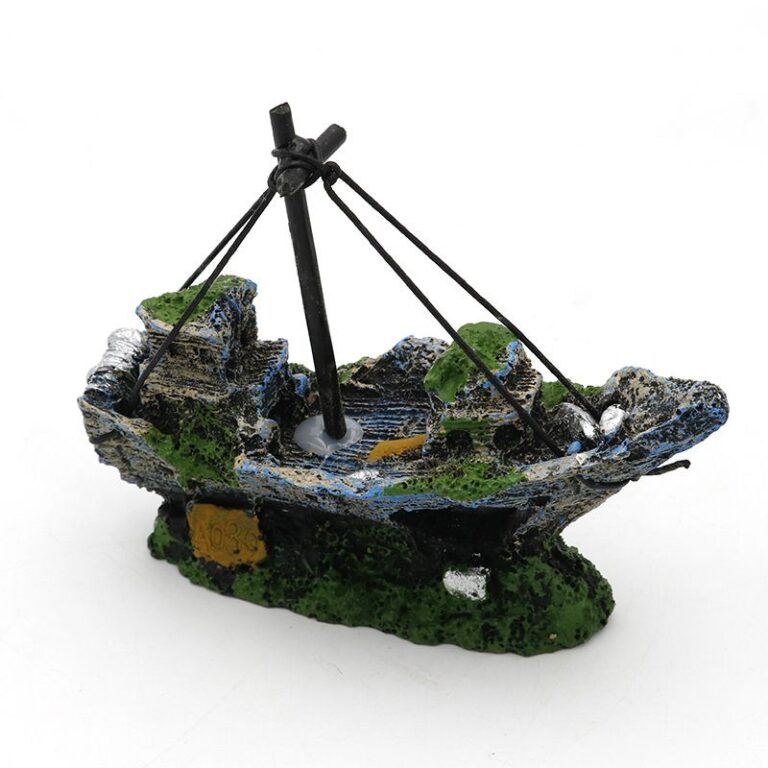
Depending on your setup, you may also need a suitable substrate, aquarium decorations or hardscape, water conditioner, water-testing equipment, aquarium maintenance tools and other specialist equipment.
Setting Up Your Aquarium
Before adding water, carefully position the aquarium on a suitable, stable surface. Make sure the tank is safely supported and placed away from direct sunlight and areas where temperature changes are significant.
Add your chosen substrate and hardscape before filling the aquarium. If you are creating an aquascape, this is the ideal stage to establish the basic layout using rocks, driftwood and other suitable materials.
Add plants carefully, taking care not to bury plant crowns or damage delicate roots. Once your layout is established, slowly add water to minimise disturbance to the substrate and plants.
Install your filter, heater and other equipment according to the manufacturer’s instructions.
Understanding the Aquarium Cycle
One of the most important aspects of establishing a new aquarium is the nitrogen cycle.
Fish waste and decomposing organic material produce ammonia, which is toxic to fish. Beneficial bacteria help convert ammonia into nitrite and then nitrate. Establishing a healthy biological filtration system is therefore essential before fully stocking an aquarium.
A new aquarium should be allowed to establish its biological filtration before fish are added. Testing the water regularly can help you understand how the aquarium is developing.
Avoid adding a large number of fish immediately to a new aquarium. Gradual stocking gives the biological filtration system time to adjust to increasing waste production.
Choosing Freshwater Fish
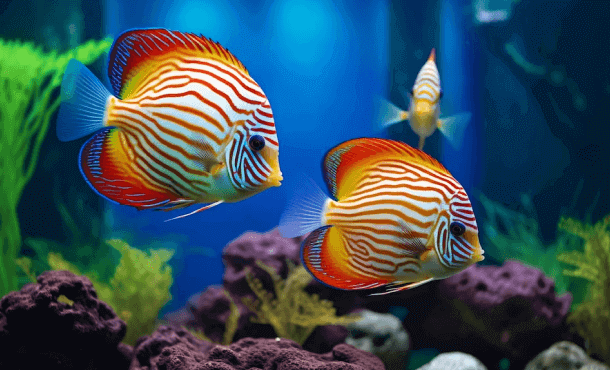
Selecting compatible fish is an important part of aquarium planning. Consider adult size, temperament, swimming behaviour, water requirements and social needs before purchasing any species.
Some fish prefer to live in groups, while others may be territorial or better suited to being kept individually. Different species can also require different water temperatures and chemistry.
Avoid choosing fish simply because they look attractive. Research their adult size and care requirements and make sure your aquarium can provide an appropriate long-term environment.
Aquarium Plants
Live aquarium plants can transform a freshwater aquarium into a beautiful natural-looking environment.
Plants can provide shelter for fish, create visual depth and contribute to the overall appearance of an aquascape. Different species have different requirements, so consider lighting, nutrients, substrate and CO₂ requirements when selecting plants.
Beginners may want to start with relatively easy-care species before progressing to more demanding plants.
Regular trimming and maintenance will help prevent fast-growing plants from overwhelming the aquarium.
Feeding Freshwater Fish
A balanced diet is essential for maintaining healthy fish. Different species have different nutritional requirements, so choose food appropriate for the fish you keep.
Avoid overfeeding. Excess food can decompose and contribute to poor water quality. Feed an amount that your fish can consume within a short period and remove obvious uneaten food where appropriate.
A varied diet can be beneficial for many community aquarium fish, with suitable flakes, pellets, frozen foods or other appropriate foods depending on the species.
Freshwater Aquarium Water Changes
Regular partial water changes are an important part of aquarium maintenance. Water changes can help reduce accumulated waste and maintain suitable water conditions.
The exact frequency and volume depend on factors such as aquarium size, stocking, filtration, feeding and plant growth.
Always treat replacement tap water appropriately and avoid making sudden changes to temperature or water chemistry.
Testing Aquarium Water
Regular water testing can help you understand what is happening inside your aquarium.
Important parameters can include:
- Ammonia
- Nitrite
- Nitrate
- pH
- Water hardness
- Temperature
Testing is particularly important when establishing a new aquarium or investigating unusual fish behaviour.
If ammonia or nitrite is detected in an established aquarium, investigate the cause promptly and take appropriate action to protect your fish.
Cleaning Your Freshwater Aquarium
Aquarium cleaning should focus on maintaining a healthy environment rather than trying to make the aquarium completely sterile.
Clean the glass when algae begins to affect visibility, remove excessive debris and maintain your filter according to its manufacturer’s recommendations.
Avoid replacing all filter media at once unless there is a specific reason to do so, as beneficial bacteria live on filter media and play an important role in biological filtration.
If you have a planted aquarium, regular plant trimming can also help maintain the aquascape’s appearance and prevent overcrowding.
Common Freshwater Aquarium Problems
New aquarium keepers may encounter problems such as cloudy water, algae growth, poor water quality or stressed fish.
Many aquarium problems are connected to excessive feeding, overstocking, insufficient filtration, inadequate maintenance or an aquarium that has not been properly cycled.
Rather than treating symptoms alone, try to identify the underlying cause. Testing your water and reviewing your aquarium routine can provide valuable information.
Maintaining a Healthy Freshwater Aquarium
Successful aquarium care is about consistency. Establish a regular routine for water testing, partial water changes, feeding, plant maintenance and equipment checks.
Observe your fish every day where possible. Changes in appetite, swimming behaviour, appearance or interaction with other fish can provide early indications that something may be wrong.
Keeping a simple aquarium maintenance record can also help you identify patterns and understand how your aquarium responds to changes.
Freshwater Aquariums & Aquascaping
A freshwater aquarium can be much more than a fish tank. With carefully selected plants, substrate, rocks and driftwood, it can become a stunning underwater landscape.
Aquascaping styles such as Nature Aquarium, Iwagumi and Jungle Style provide inspiration for creating different types of planted aquarium.
However, the welfare of the fish should always remain a priority. The aquascape should provide suitable swimming space, shelter and environmental conditions for the species being kept.
Final Thoughts
Setting up and caring for a freshwater aquarium can be a rewarding and enjoyable hobby. With careful planning, appropriate equipment, suitable fish, good water quality and consistent maintenance, you can create a healthy aquatic environment that can be enjoyed for years.
At Matthew’s Aquatic Paradise Ltd, we provide aquascaping services, aquarium maintenance, fish consultations, aquarium health checks and aquascaping supplies to help aquarium enthusiasts create and maintain their own underwater paradise.
Whether you are setting up your first freshwater aquarium or planning a complete aquascape transformation, we’re here to help.
Contact Matthew’s Aquatic Paradise Ltd today and start creating your underwater paradise.