

admin
June 8, 2026
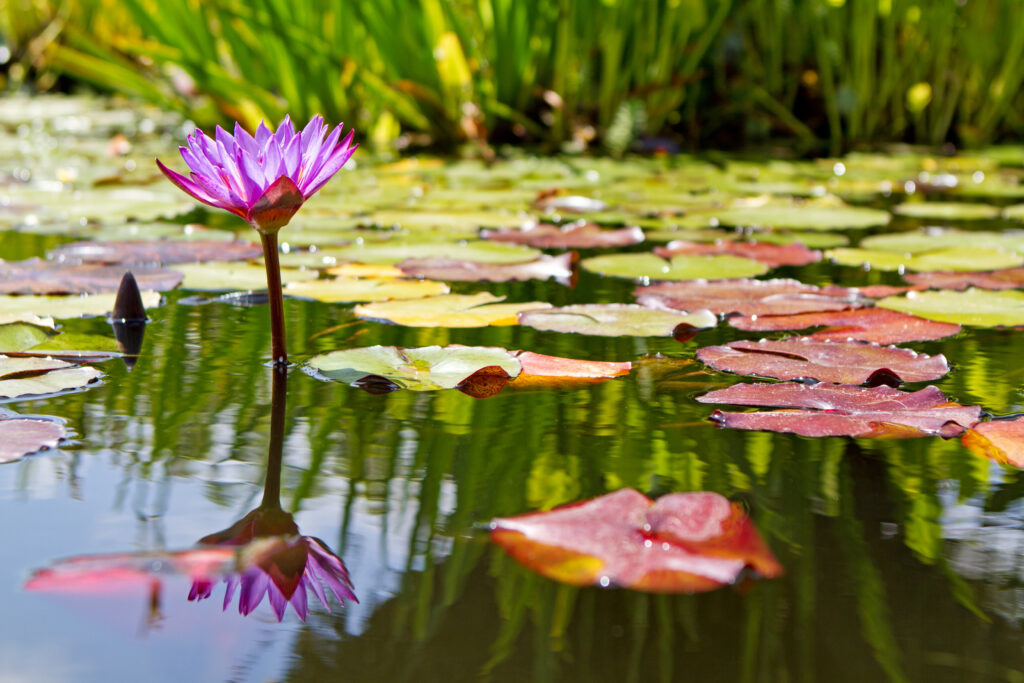
A garden pond can transform any outdoor space into a peaceful and attractive environment. Whether you own a small wildlife pond, a decorative water feature, or a large koi pond, regular maintenance is essential for keeping the water clear, fish healthy, and aquatic plants thriving.
Many pond owners quickly discover that a successful pond requires more than simply filling a hole with water and adding fish. Natural processes, seasonal changes, algae growth, debris accumulation, and water quality fluctuations can all affect the health and appearance of a pond. Fortunately, with the right approach and consistent care, maintaining a beautiful pond can be both manageable and rewarding.
At Matthews’ Aquatic Paradise Ltd, we understand the importance of proper pond care. From filtration systems and pond pumps to fish food, water treatments, and aquatic plants, we help pond owners create healthy aquatic environments that can be enjoyed throughout the year.
This comprehensive guide covers the most important pond maintenance tips to help you keep your pond looking its best while supporting a balanced ecosystem.
A pond is a living ecosystem. Fish, plants, beneficial bacteria, insects, and microorganisms all interact within the water. When this ecosystem is balanced, the pond remains healthy and attractive.
Without proper maintenance, however, problems can develop quickly.
Common issues include:
Regular maintenance helps prevent these problems while extending the lifespan of your pond equipment and supporting healthy aquatic life.
Before discussing maintenance tasks, it is important to understand how ponds function naturally.
A healthy pond relies on balance between:
Fish produce waste that contributes nutrients to the ecosystem.
Aquatic plants absorb nutrients and help oxygenate the water.
These microorganisms break down organic waste and support biological filtration.
Proper movement distributes oxygen and prevents stagnation.
Filters remove debris and support beneficial bacterial colonies.
When all these components work together, the pond becomes more stable and easier to maintain.
One of the most valuable maintenance practices is simply observing your pond regularly.
Daily observation helps identify potential issues before they become major problems.
Watch for:
A few minutes of observation each day can prevent costly repairs and fish losses.
Water quality is the foundation of a healthy pond.
Even the most attractive pond can quickly develop problems if water conditions deteriorate.
Key parameters to monitor include:
Ammonia is highly toxic to fish and should remain at zero.
Nitrite can interfere with oxygen transport in fish and should also remain at zero.
Although less harmful, excessive nitrate levels can encourage algae growth.
Stable pH levels help support fish health and biological filtration.
Adequate oxygen is critical for fish, plants, and beneficial bacteria.
Regular water testing allows pond owners to identify issues early and maintain a healthy aquatic environment.
A quality filtration system is essential for most garden ponds.
Pond filters perform three important functions:
Removes physical debris such as:
Supports beneficial bacteria that process harmful waste compounds.
May assist with specific water quality challenges.
Effective filtration reduces maintenance requirements and improves overall pond health.
Pond pumps provide water circulation and support filtration performance.
Benefits of proper circulation include:
Inspect pumps regularly for:
Routine maintenance helps ensure reliable operation.
Algae is one of the most common concerns among pond owners.
While some algae is natural, excessive growth can affect water clarity and pond appearance.
Common causes include:
Causes water to appear cloudy and green.
Forms long strands attached to surfaces.
Can rapidly spread across pond areas.
Understanding the type of algae helps determine the most effective control methods.
Many pond owners prefer natural algae control methods.
Plants compete with algae for nutrients.
Reducing direct sunlight can limit algae growth.
Organic waste contributes nutrients that fuel algae.
Enhanced filtration helps remove nutrient sources.
Excess food often contributes to nutrient build-up.
A balanced ecosystem naturally suppresses many algae problems.
Aquatic plants provide numerous benefits.
Advantages include:
Popular pond plants include:
Provide shade and visual appeal.
Enhance pond edges while supporting biodiversity.
Improve water quality and ecosystem balance.
Reduce sunlight penetration and nutrient availability.
Healthy plant growth contributes significantly to pond stability.
Fish are often the centrepiece of a garden pond.
Proper fish care includes:
Avoid overcrowding.
Feed suitable food in appropriate quantities.
Healthy water supports healthy fish.
Observe fish regularly for signs of illness.
Popular pond fish include:
Each species has specific care requirements.
Overfeeding is a common cause of pond problems.
Excess food contributes to:
Feed only what fish can consume within a few minutes.
Adjust feeding schedules according to:
Responsible feeding supports a healthier pond ecosystem.
Leaves, twigs, and organic matter can accumulate quickly.
If left unattended, debris decomposes and releases nutrients into the water.
Regular removal helps:
Tools commonly used include:
Routine debris removal is one of the simplest maintenance tasks.
Sludge accumulates as organic matter decomposes on the pond floor.
Excess sludge can:
Preventative measures include:
Controlling sludge improves overall pond health.
Different seasons require different maintenance approaches.
Spring is a time of renewal and preparation.
Tasks include:
Warmer temperatures increase biological activity.
Focus on:
Falling leaves create additional maintenance requirements.
Tasks include:
Cold weather requires special attention.
Consider:
Seasonal planning helps prevent many common pond issues.
Oxygen is vital for pond ecosystems.
Factors that affect oxygen levels include:
Ways to improve oxygenation include:
Increase surface agitation.
Promote circulation and gas exchange.
Provide direct aeration.
Support oxygen production during daylight hours.
Adequate oxygen benefits fish, bacteria, and plant life.
Many ponds attract beneficial wildlife.
Visitors may include:
Wildlife-friendly practices include:
A diverse ecosystem often contributes to overall pond stability.
Understanding common mistakes can save time and money.
Too many fish increase waste production.
Problems often develop before visible symptoms appear.
Small equipment issues can become major failures.
Treating symptoms without addressing underlying causes may create additional problems.
Plants play a vital role in ecosystem balance.
Avoiding these mistakes helps ensure long-term success.
Investing in reliable equipment offers several advantages.
Quality products often provide:
Professional-grade equipment can significantly improve pond management.
At Matthews’ Aquatic Paradise Ltd, we are passionate about helping pond owners create beautiful, healthy, and sustainable aquatic environments. We offer a wide selection of pond supplies, filtration systems, pumps, aquatic plants, fish foods, water treatments, and maintenance products to support every aspect of pond care.
Whether you maintain a small garden pond or a large koi pond, our experienced team can provide expert advice and quality products tailored to your specific needs. We are committed to helping customers enjoy clear water, healthy fish, and thriving pond ecosystems throughout the year.
Transform your aquarium or pond with Matthews’ Aquatic Paradise Ltd 🐟✨
From vibrant fish & aquatic plants to tanks, filters & expert care advice—we’ve got everything you need under one roof! 🌊 #AquariumLife #PondCare

X.com
Successful pond maintenance is built on consistency, observation, and understanding the natural processes that support aquatic ecosystems. By maintaining good water quality, managing algae growth, caring for fish responsibly, supporting healthy plant growth, and servicing equipment regularly, pond owners can enjoy beautiful and balanced ponds in every season.
A well-maintained pond not only enhances your outdoor space but also provides a healthy habitat for fish, plants, and wildlife. Matthews’ Aquatic Paradise Ltd is proud to support pond enthusiasts with the products, expertise, and guidance needed to achieve long-term pond success.