
admin
June 8, 2026
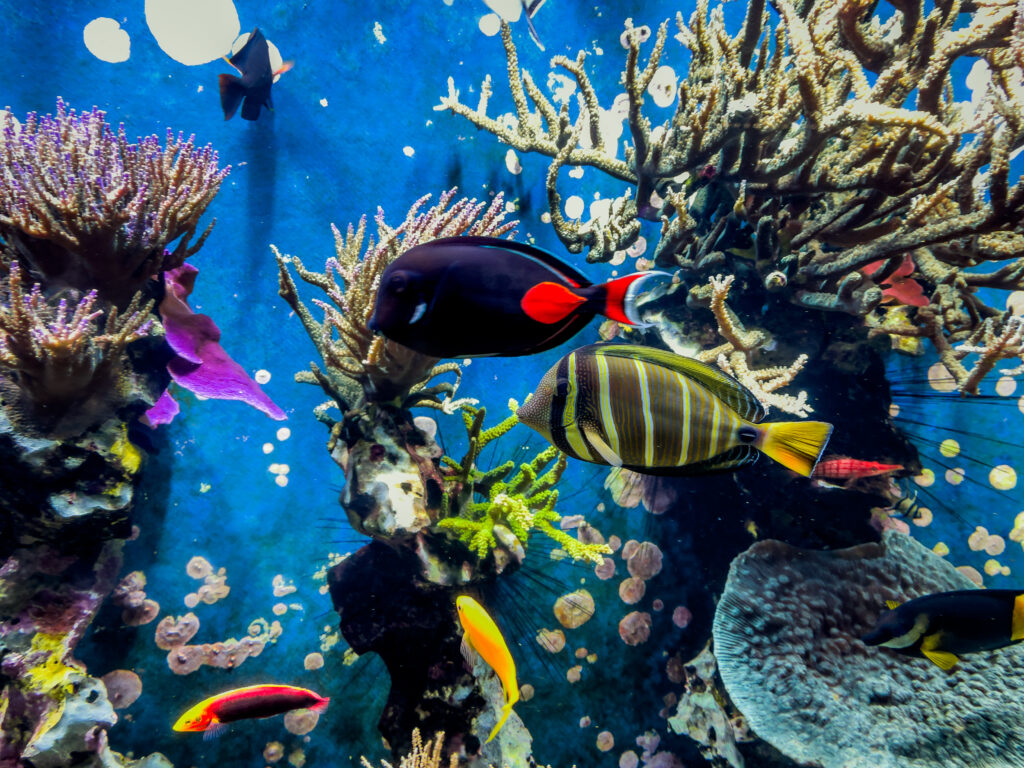
Keeping aquarium fish healthy is one of the most rewarding aspects of fishkeeping. Whether you own a small tropical aquarium, a large community tank, or a specialised aquatic setup, the wellbeing of your fish depends on proper care, consistent maintenance, and a thorough understanding of their needs.
Many aquarium problems arise not because fish are difficult to keep, but because their environment is not properly managed. Poor water quality, overfeeding, incorrect tank mates, and inadequate maintenance can all contribute to stress and disease. Fortunately, most fish health issues can be prevented through good aquarium management and regular observation.
At Matthews’ Aquatic Paradise Ltd, we help aquarium enthusiasts create thriving aquatic environments through quality products, expert advice, and proven fish care solutions. This comprehensive guide covers essential fish care practices that will help your aquarium flourish while keeping your fish healthy, active, and vibrant.
Fish may appear low-maintenance compared to other pets, but they rely entirely on their environment for survival. Unlike animals that can move away from poor conditions, aquarium fish remain within a closed ecosystem where water quality, nutrition, and habitat conditions directly affect their health.
Proper fish care provides numerous benefits:
Investing time in fish care helps ensure a stable and beautiful aquarium for years to come.
Different fish species have unique requirements. Before adding any fish to your aquarium, it’s important to research their specific needs.
Factors to consider include:
Tropical fish typically require warmer water, while coldwater species thrive at lower temperatures.
Some fish remain small throughout their lives, while others can grow significantly larger than expected.
Certain species prefer soft water, while others require harder water conditions.
Some fish are peaceful community species, while others can be territorial or aggressive.
Fish may be herbivores, carnivores, or omnivores, requiring specialised feeding routines.
Understanding these factors helps create a suitable environment where fish can thrive.
Water quality is arguably the most important factor in fish care.
Even the highest-quality food and equipment cannot compensate for poor water conditions.
Key water parameters include:
Ammonia is highly toxic to fish and should always remain at zero.
Sources of ammonia include:
Nitrite is another toxic compound that develops during the nitrogen cycle.
Healthy aquariums should maintain a nitrite level of zero.
Nitrate is less harmful but should still be controlled through regular maintenance.
High nitrate levels can contribute to:
pH measures acidity and alkalinity.
Most aquarium fish adapt best when pH remains stable rather than constantly changing.
Water hardness affects fish health and breeding success.
Different species require varying levels of hardness for optimal wellbeing.
A healthy aquarium depends on a fully established nitrogen cycle.
Beneficial bacteria convert harmful waste products into less dangerous compounds.
The cycle works as follows:
Understanding this process is essential for maintaining healthy fish and stable water conditions.
Routine water testing allows aquarium owners to identify problems before fish become affected.
A reliable test kit should monitor:
Testing should be performed regularly, especially in new aquariums.
Benefits of water testing include:
Consistent testing is one of the simplest yet most effective fish care practices.
Nutrition plays a major role in fish health and longevity.
Different fish require different diets based on their natural feeding habits.
Popular for community aquariums and many tropical fish species.
Available in sinking and floating varieties.
Provide excellent nutritional variety.
Common options include:
Encourage natural feeding behaviours and can improve conditioning.
Important for herbivorous species.
Examples include:
Providing a varied diet helps ensure complete nutrition.
Overfeeding is one of the most common causes of aquarium problems.
Excess food can:
A good rule is to feed only what fish can consume within a few minutes.
It is better to slightly underfeed than consistently overfeed.
Healthy adult fish can safely miss an occasional feeding without harm.
Temperature stability is crucial for fish health.
Sudden temperature fluctuations can cause:
Most tropical aquariums require a reliable heater and thermometer.
Checking temperature daily helps prevent unexpected problems.
Stress is often an overlooked factor in fish health.
Stressed fish become more vulnerable to illness and disease.
Common stressors include:
Even minor water quality issues can create chronic stress.
Incompatible fish species often lead to conflict.
Many fish require shelter to feel secure.
Aquariums should be placed in stable environments.
Rapid changes in temperature, lighting, or water chemistry should be avoided.
Reducing stress significantly improves fish health and longevity.
Community aquariums require careful planning.
When selecting fish, consider:
Compatible fish are more likely to coexist peacefully and display natural behaviours.
Research before purchasing fish can prevent many common aquarium issues.
Healthy fish typically display:
Daily observation allows aquarium owners to identify subtle changes before serious issues develop.
Early detection greatly improves treatment success.
Watch for:
Often one of the first signs of illness.
Fish may hold their fins close to the body.
Can indicate parasitic infections.
May suggest poor water quality or disease.
Healthy fish should generally remain alert and active.
Erratic movement may indicate stress or illness.
Prompt action helps prevent disease from spreading throughout the aquarium.
Disease prevention is always preferable to treatment.
Effective prevention strategies include:
The foundation of fish health.
Helps prevent introducing diseases to established aquariums.
Supports immune function.
Reduces stress and waste production.
Keeps the environment stable and healthy.
Most disease outbreaks are linked to stress or environmental issues.
Filters are essential for maintaining healthy water conditions.
A quality filtration system provides:
Removes physical debris.
Supports beneficial bacteria.
Removes certain dissolved impurities.
Proper filtration reduces maintenance requirements and improves overall fish health.
Consistency is key to successful fishkeeping.
Regular maintenance prevents small issues from becoming major problems.
Live aquatic plants offer numerous advantages.
Benefits include:
Fish often display more natural behaviour in planted aquariums.
Plants also help create a balanced ecosystem.
Environmental conditions can change throughout the year.
During warmer months:
During colder months:
Seasonal awareness helps maintain consistent conditions.
New fishkeepers often encounter similar challenges.
This can overwhelm the biological filtration system.
Regular maintenance remains essential.
Problems often develop before visible symptoms appear.
Compatibility and care requirements are equally important.
Beneficial bacteria should be preserved whenever possible.
Avoiding these mistakes improves aquarium success significantly.
Reliable aquarium products contribute directly to fish health.
High-quality equipment offers:
Investing in dependable products often reduces future costs and problems.
At Matthews’ Aquatic Paradise Ltd, we are dedicated to helping fishkeepers achieve success through expert advice and premium aquarium supplies. We understand the challenges faced by both beginners and experienced aquarists and strive to provide products that support healthy aquatic environments.
From water treatments and filtration systems to fish food, testing kits, and aquarium accessories, our comprehensive product range helps customers maintain thriving aquariums with confidence.
Transform your aquarium or pond with Matthews’ Aquatic Paradise Ltd 🐟✨
From vibrant fish & aquatic plants to tanks, filters & expert care advice—we’ve got everything you need under one roof! 🌊 #AquariumLife #PondCare

X.com
Successful fish care begins with understanding the needs of your aquatic pets and providing a stable, healthy environment. By maintaining excellent water quality, offering proper nutrition, reducing stress, and performing regular maintenance, aquarium owners can enjoy healthy fish and beautiful aquariums for many years.
Whether you’re just starting your fishkeeping journey or looking to improve an existing setup, Matthews’ Aquatic Paradise Ltd is here to provide the products, expertise, and support needed for long-term success. Healthy fish start with informed care, and every step you take towards improving your aquarium benefits the wellbeing of your aquatic community.