

admin
June 8, 2026
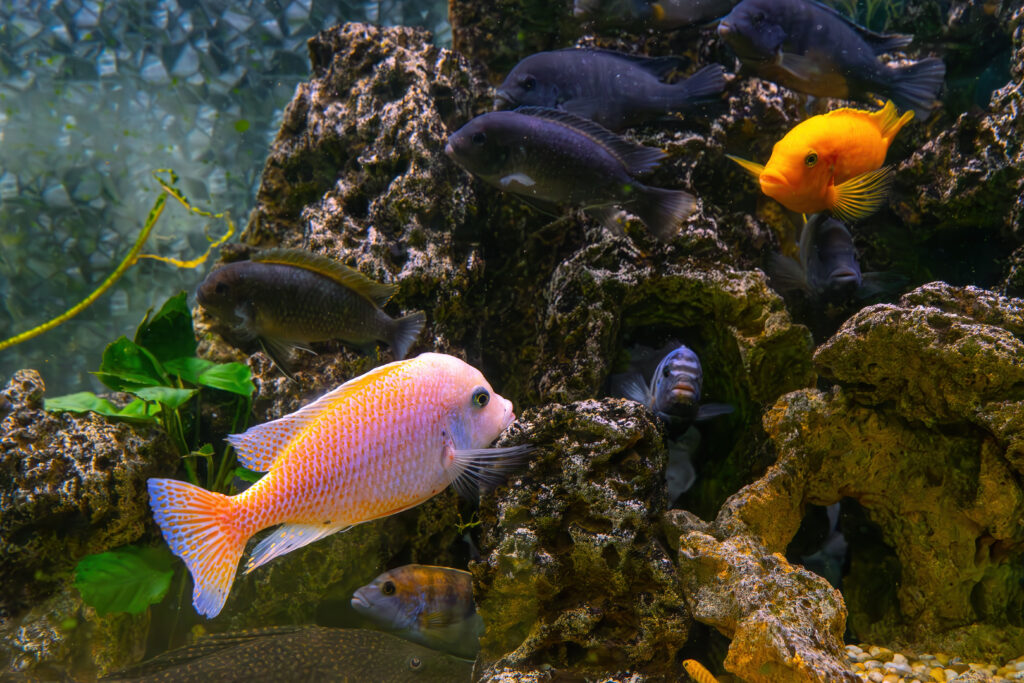
An aquarium filter is one of the most important pieces of equipment in any fish tank. While lighting, decorations, and fish often attract the most attention, filtration is the true foundation of a healthy aquatic environment. Without proper filtration, waste products can accumulate, water quality can deteriorate, and fish may quickly become stressed or ill.
Whether you are setting up your first aquarium or upgrading an existing system, choosing the right filter can make a significant difference to the long-term success of your tank. A well-selected filtration system helps maintain clear water, supports beneficial bacteria, reduces maintenance requirements, and creates a stable environment where fish and aquatic plants can thrive.
At Matthews’ Aquatic Paradise Ltd, we understand that selecting an aquarium filter can feel overwhelming due to the variety of options available. This comprehensive guide explains everything you need to know about aquarium filtration, helping you make informed decisions and achieve a healthy, beautiful aquarium.
In nature, rivers, lakes, and streams benefit from vast volumes of water and natural biological processes that help break down waste. In an aquarium, however, fish live within a relatively small and enclosed environment.
As fish eat and produce waste, organic matter accumulates. Uneaten food, plant debris, and fish waste break down and release harmful compounds into the water.
Without effective filtration, these substances can cause:
A quality filter helps maintain balance by continuously processing water and removing harmful substances.
Most modern aquarium filters provide three forms of filtration:
Mechanical filtration physically removes debris from the water.
Examples include:
Mechanical filtration improves water clarity and prevents organic waste from decomposing within the aquarium.
Common mechanical filter media include:
This stage acts as the first line of defence against water pollution.
Biological filtration is often considered the most important aspect of aquarium filtration.
Beneficial bacteria colonise filter media and convert toxic waste into safer compounds through the nitrogen cycle.
These bacteria perform two crucial functions:
Without biological filtration, fish would quickly be exposed to dangerous levels of toxic waste.
Common biological media include:
Healthy biological filtration is essential for every aquarium.
Chemical filtration removes dissolved substances from the water.
Common chemical media include:
Chemical filtration can help:
While useful, chemical filtration is generally considered supplementary to mechanical and biological filtration.
Aquarium filters continuously draw water through a series of filtration media.
The process typically involves:
This constant circulation helps maintain a stable and healthy aquatic environment.
Several filter styles are available, each offering advantages depending on aquarium size and requirements.
Internal filters operate within the aquarium itself.
Advantages include:
They are commonly used in:
However, they may provide limited filtration capacity compared to larger systems.
External filters are positioned outside the aquarium.
Benefits include:
These filters are ideal for:
Many experienced aquarists prefer canister filters because of their efficiency and flexibility.
Hang-on-back (HOB) filters attach to the rear of the aquarium.
Advantages include:
They are particularly popular among hobbyists seeking a balance between convenience and effectiveness.
Sponge filters use air pumps to draw water through a sponge.
Benefits include:
They are commonly used in:
Sumps are advanced filtration systems typically used on larger aquariums.
Benefits include:
They are often found in:
Although more complex, they provide exceptional performance.
One of the most common mistakes is purchasing an undersized filter.
Many manufacturers provide recommended tank capacities for each model.
As a general rule:
When in doubt, selecting a slightly larger filter is often beneficial.
Larger aquariums require more powerful filtration systems.
More fish produce more waste.
Certain species create significantly higher waste loads.
Examples include:
Planted aquariums may require specialised flow considerations.
Some filters are easier to maintain than others.
Considering these factors helps ensure the chosen filter meets your aquarium’s needs.
Biological filtration forms the backbone of aquarium stability.
Benefits include:
Many successful aquariums prioritise biological media volume above all else.
A filter does more than clean water.
Proper circulation helps:
However, excessive flow can stress some fish species.
Examples of fish that prefer calmer water include:
Choosing appropriate flow rates is essential for fish comfort.
Planted aquariums benefit from effective filtration.
Benefits include:
When designing planted tanks, balance is important.
Excessive water movement may disrupt delicate plant species.
Excellent for mechanical and biological filtration.
Provide large surface areas for beneficial bacteria.
Removes dissolved contaminants and odours.
Captures fine particles for crystal-clear water.
Target specific water quality concerns.
Understanding media options allows aquarium owners to customise filtration systems.
Regular maintenance keeps filters operating efficiently.
Mechanical media should be cleaned periodically to remove trapped debris.
Always use aquarium water when cleaning biological media.
Avoid:
These can destroy beneficial bacterial colonies.
Activated carbon and similar products require periodic replacement according to manufacturer recommendations.
Proper maintenance supports long-term aquarium health.
Excessive cleaning can damage beneficial bacteria populations.
Doing so may disrupt biological filtration.
Insufficient filtration often leads to water quality problems.
Neglected filters lose efficiency over time.
Water changes remain essential even with excellent filtration.
Avoiding these mistakes improves aquarium stability.
Watch for:
Addressing issues early helps prevent larger problems.
Healthy fish depend on healthy water.
Proper filtration helps:
Many fish health issues can be traced back to inadequate water quality.
Investing in quality filtration directly benefits aquarium inhabitants.
Today’s aquarium filters are more energy-efficient than ever.
Modern systems often offer:
Energy-efficient equipment helps reduce long-term operating expenses.
Although premium filters may cost more initially, they often provide:
Quality filtration can save money over time by preventing costly problems.
At Matthews’ Aquatic Paradise Ltd, we understand the importance of selecting the right filtration system for every aquarium. We offer a wide range of aquarium filters, filtration media, accessories, and maintenance products designed to support healthy aquatic environments.
Whether you need a compact internal filter for a beginner tank or a powerful external canister filter for a large display aquarium, our knowledgeable team can help you choose the ideal solution. We are committed to providing quality products, expert guidance, and exceptional customer service for fishkeepers of all experience levels.
Transform your aquarium or pond with Matthews’ Aquatic Paradise Ltd 🐟✨
From vibrant fish & aquatic plants to tanks, filters & expert care advice—we’ve got everything you need under one roof! 🌊 #AquariumLife #PondCare

X.com
Choosing the right aquarium filter is one of the most important decisions any fishkeeper can make. Effective filtration maintains water quality, supports beneficial bacteria, improves fish health, and creates a stable environment where aquatic life can thrive.
By understanding the different types of filtration, selecting the appropriate filter size, maintaining equipment correctly, and investing in quality products, aquarium owners can enjoy crystal-clear water and healthier fish for years to come.
At Matthews’ Aquatic Paradise Ltd, we are proud to help aquarium enthusiasts find the filtration solutions they need to create successful and beautiful aquatic environments.